800,000-Year-Old Bones in Spain May Rewrite the Story of Europe’s First Humans
800,000-Year-Old Bones in Spain May Rewrite the Story of Europe’s First Humans
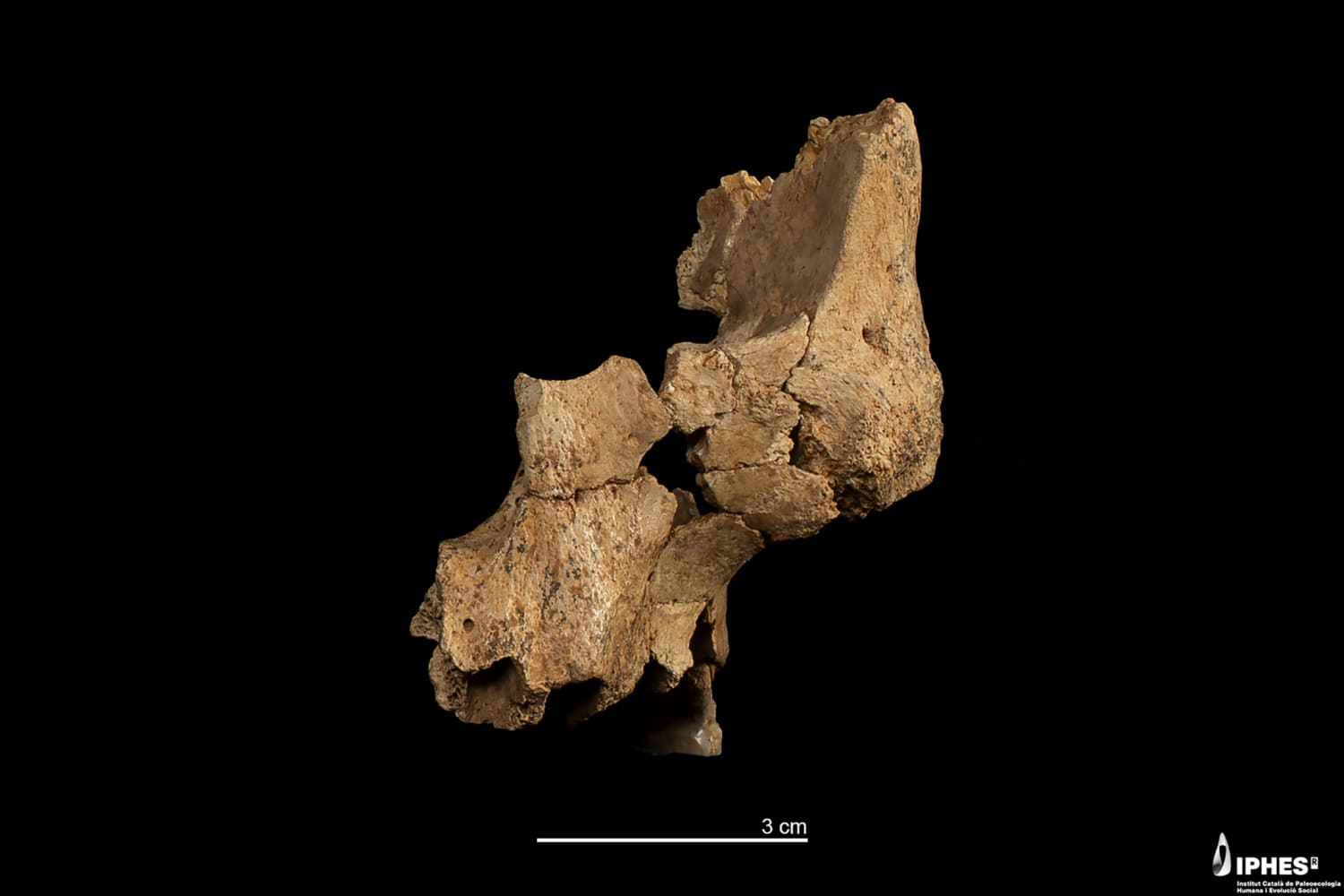
A remarkable archaeological discovery in Spain is challenging long-held ideas about when the earliest humans first arrived in Europe. Researchers have uncovered ancient human bones dating back approximately 800,000 years, potentially pushing back the timeline of human presence on the continent.
The remains were found at an important prehistoric site in the Atapuerca Mountains, a region already known for some of the oldest human fossils ever discovered in Europe. These newly studied bones suggest that early human populations may have reached Western Europe much earlier than previously believed.
Scientists analyzing the fossils believe they likely belong to an early human species closely related to Homo heidelbergensis or other archaic human groups that lived during the Early Pleistocene period. These populations are thought to be part of the complex evolutionary branch that eventually led to Neanderthals and modern humans.
What makes the discovery significant is not just the age of the bones, but what they reveal about migration patterns. If confirmed, it suggests that early human ancestors were able to adapt to Europe’s changing climates far earlier than expected, surviving cold environments, shifting landscapes, and fluctuating resources.
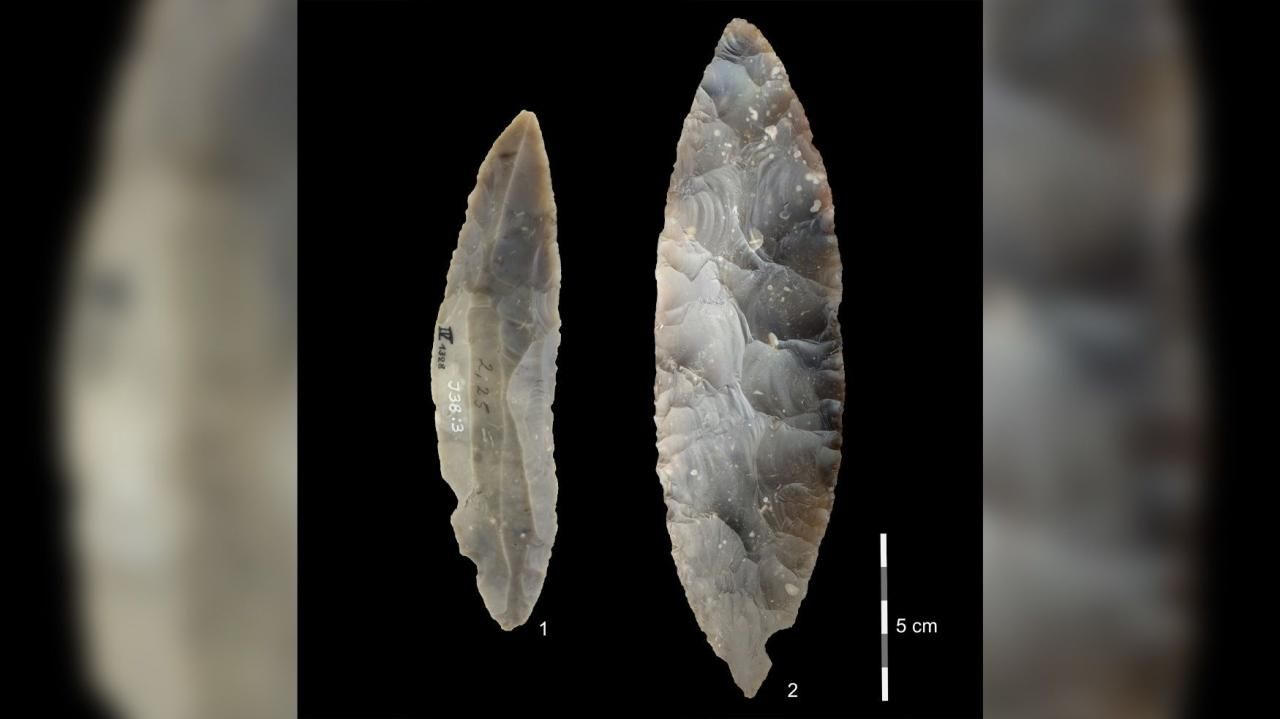
Archaeologists also note that the site contains stone tools and evidence of early hunting behavior, indicating that these populations were not isolated but actively developing survival strategies in challenging environments.
This discovery contributes to a growing body of evidence that human evolution in Europe was not a simple, linear process. Instead, it involved multiple migrations, population replacements, and periods of adaptation over hundreds of thousands of years.
Despite sensational online claims suggesting dramatic “rewrites” of human history or unknown advanced civilizations, scientists emphasize that these findings fit within the broader framework of established paleoanthropology. They refine, rather than overturn, our understanding of early human evolution.
Still, each new fossil adds another piece to the puzzle of how humans spread across the planet — and how early populations shaped the long and complex story of our origins.
As research continues, the Atapuerca region remains one of the most important windows into Europe’s deep past, offering clues about some of the continent’s earliest known inhabitants.