Pope Leo XIV in Acerra: Meeting with Clergy and Families of Pollution Victims
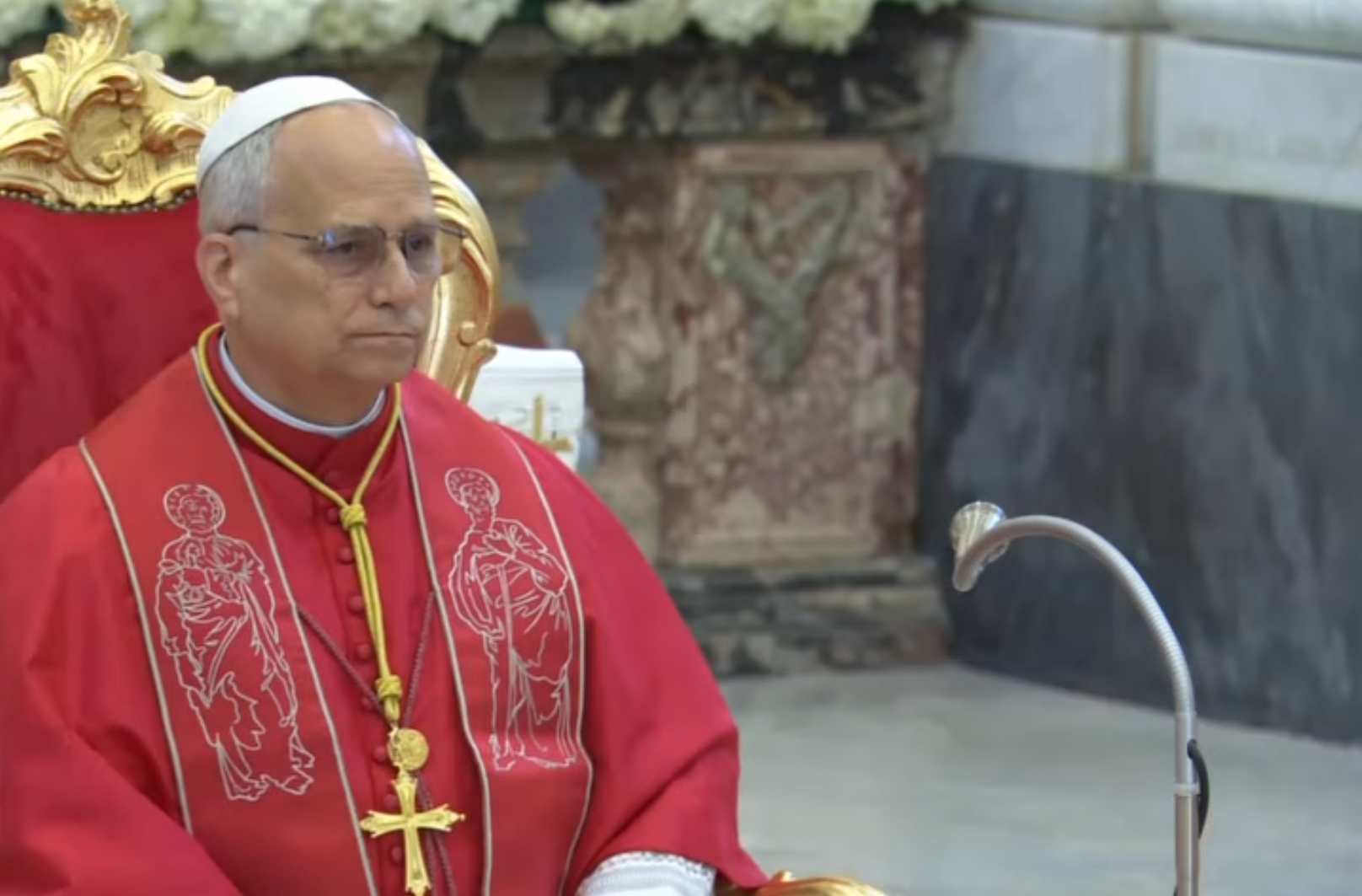
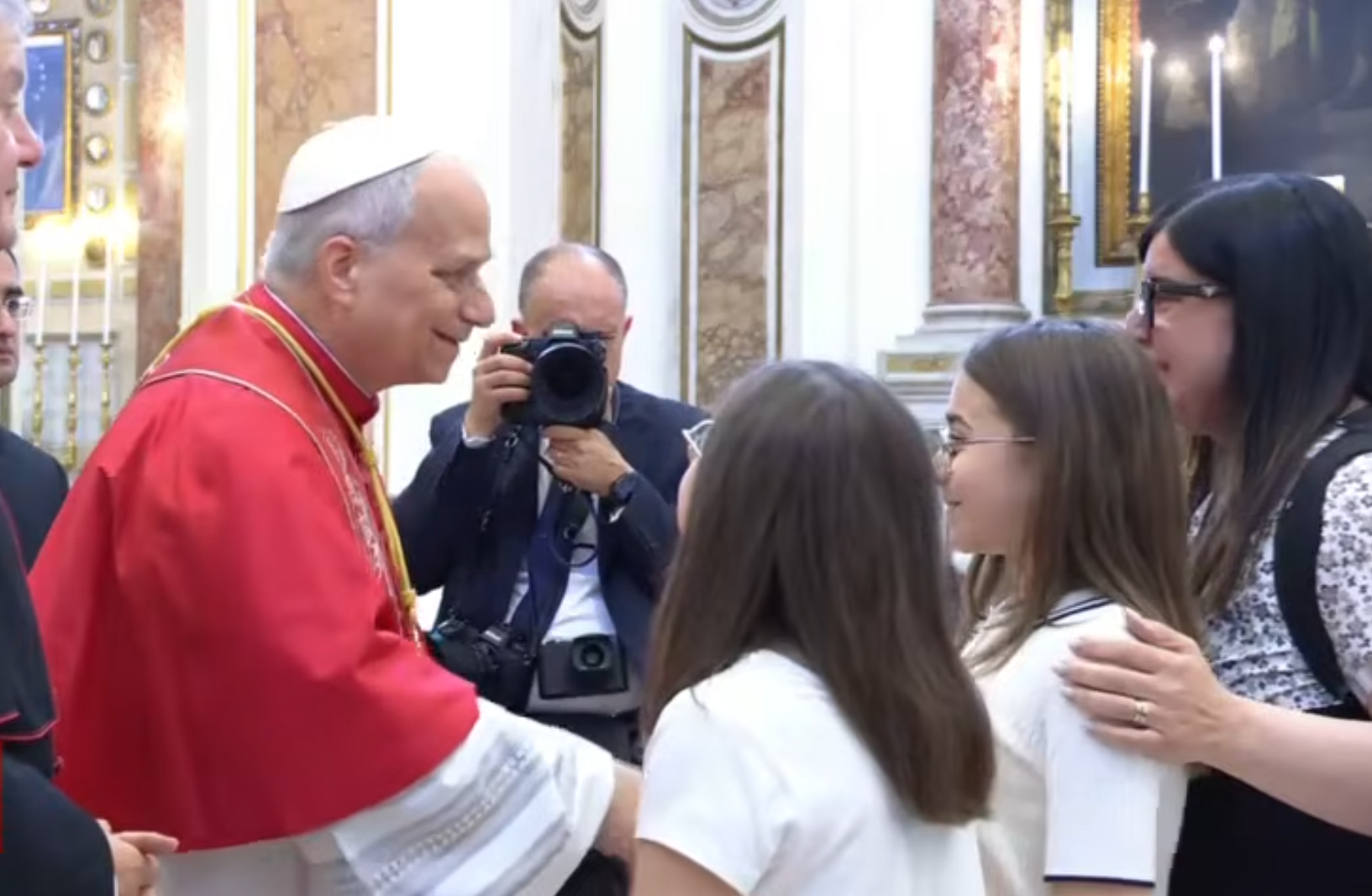
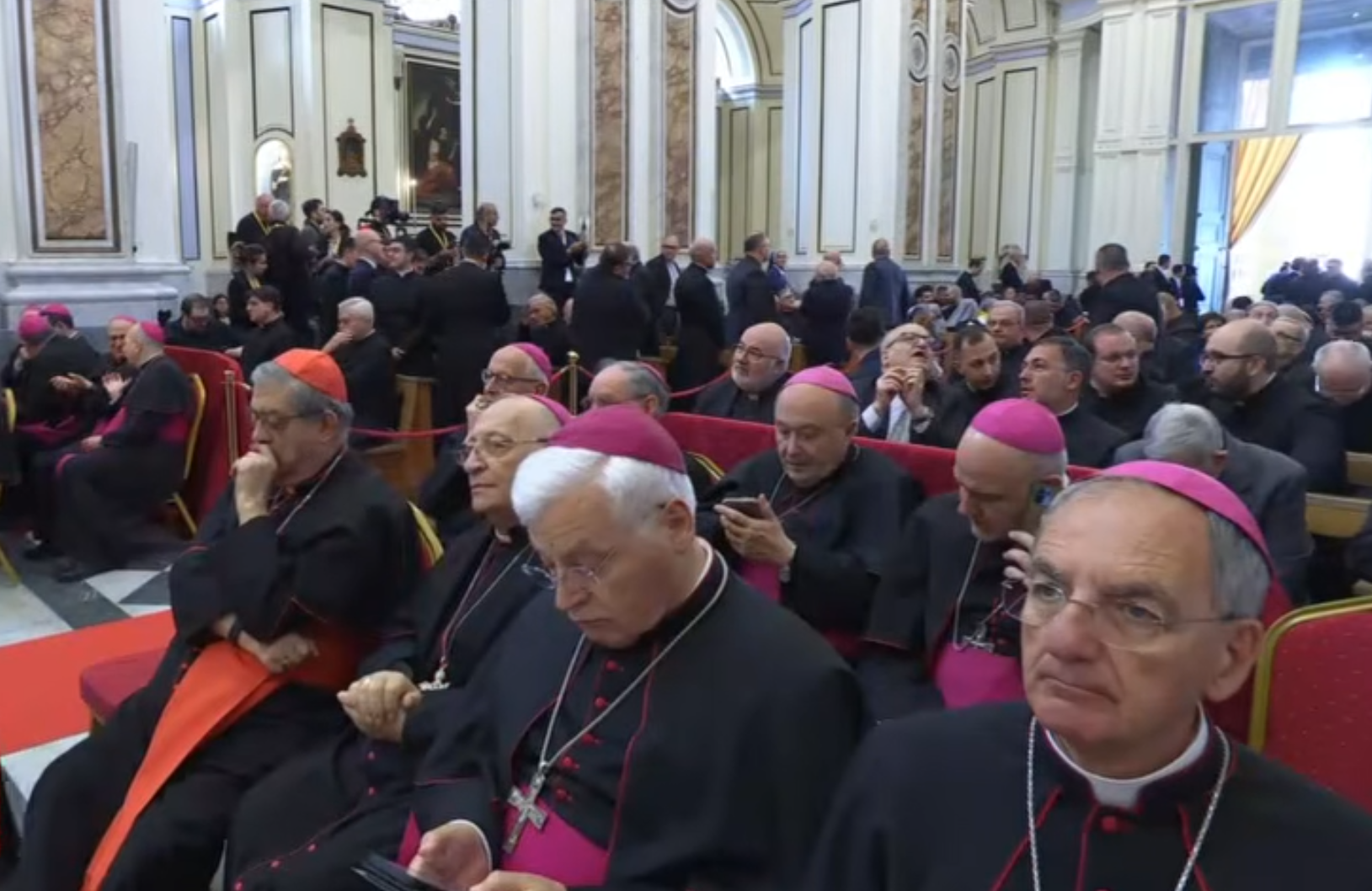
On May 23, 2026, Pope Leo XIV visited Acerra, near Naples, as part of his pastoral visit to the communities of the “Terra dei Fuochi” — the “Land of Fires.” His first major meeting took place at the Cathedral of the Assumption of Mary in Acerra, where he met with the Bishops of Campania, clergy, men and women religious, and family members of victims of environmental pollution. The Vatican schedule listed this meeting for 9:15 a.m., following the Pope’s arrival from the Vatican heliport.
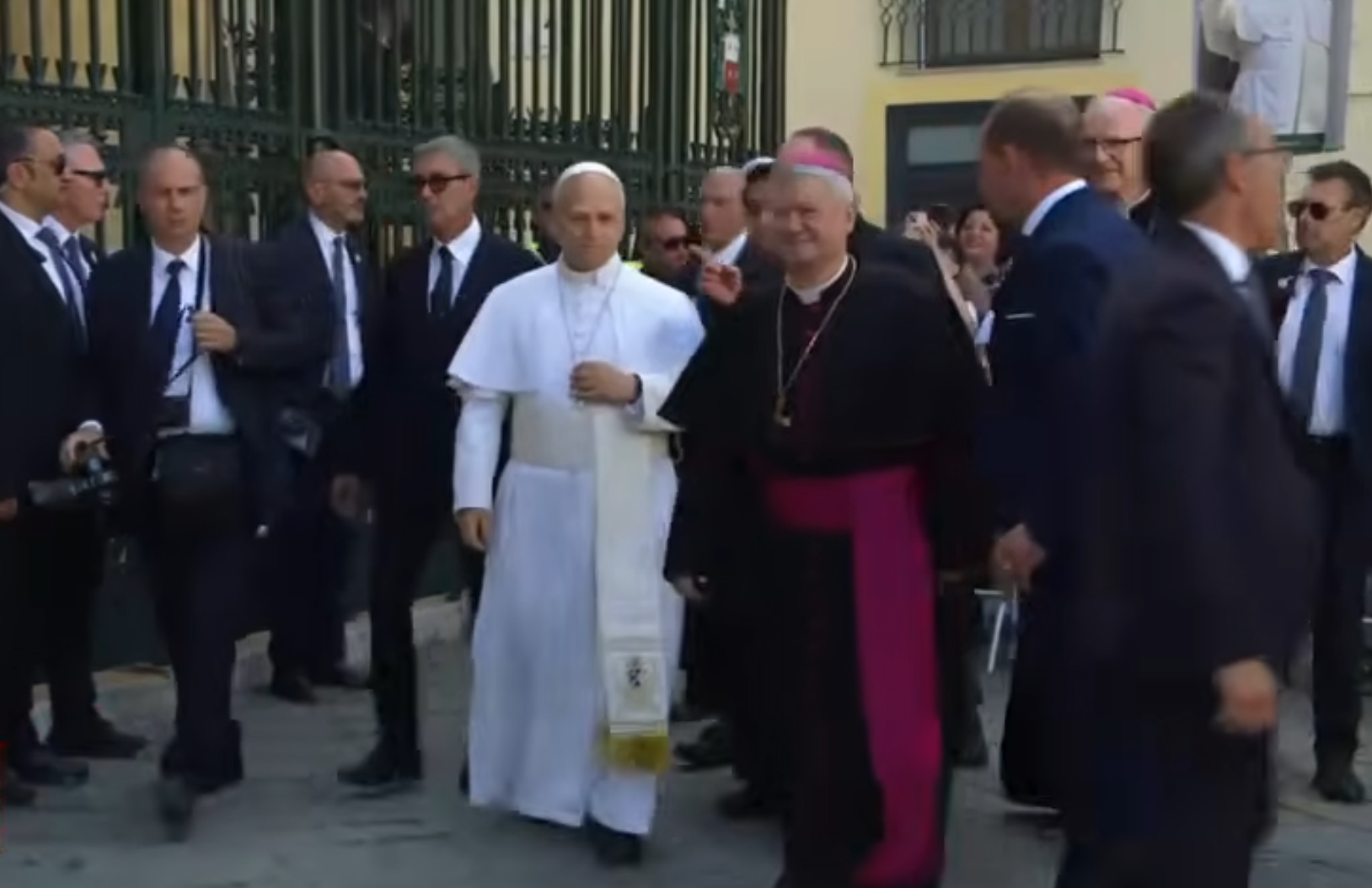
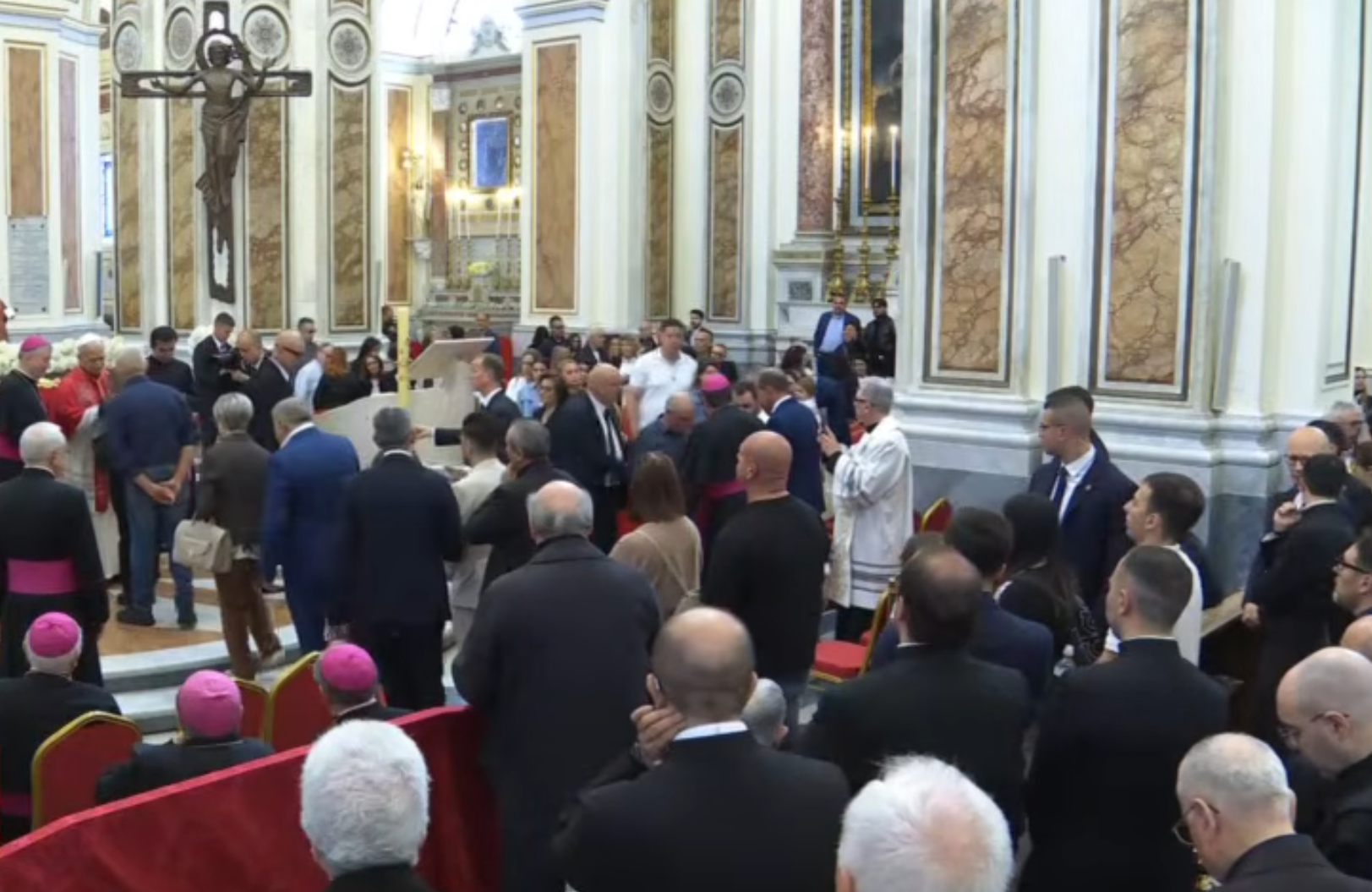
The atmosphere inside the cathedral was deeply emotional. This was not only a formal Church gathering, but a moment of grief, prayer, and recognition for families who had lost loved ones in a region wounded by decades of illegal toxic waste dumping, burning, pollution, and neglect. Vatican News reported that Pope Leo XIV came to offer closeness to those mourning victims of environmental pollution and to condemn the criminal interests and indifference that had harmed the local ecosystem.
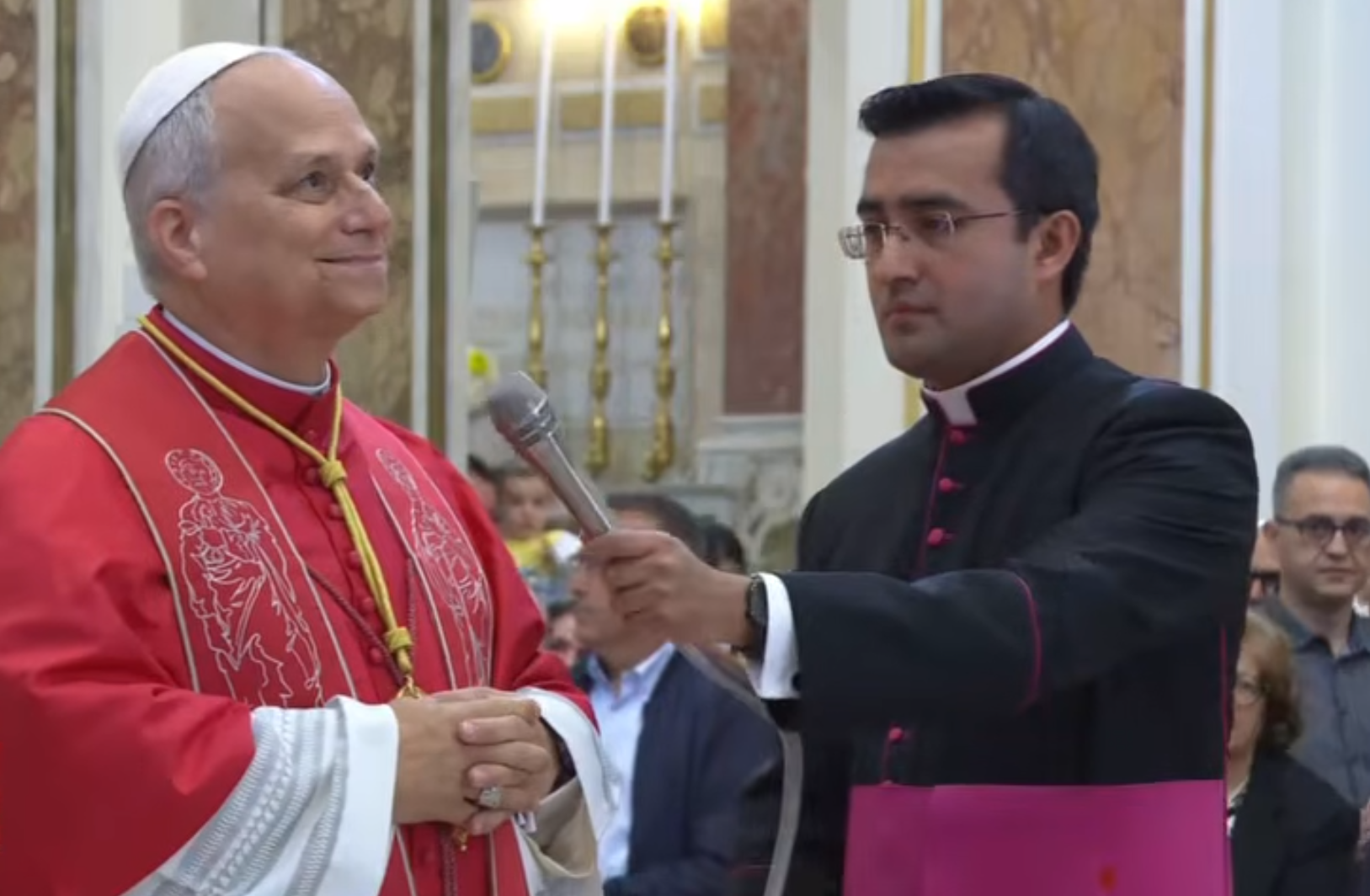
In his address, Pope Leo XIV said he had come first of all to “gather the tears” of those who lost loved ones because of environmental pollution caused by unscrupulous individuals and organizations that had acted with impunity for too long. At the same time, he thanked those who had answered evil with good, especially a Church that dared to speak prophetically, defend the people, and keep hope alive.
The Pope connected the suffering of Acerra with a message of resurrection and renewal. Since the visit took place on the eve of Pentecost, he reflected on the biblical vision of the prophet Ezekiel, where dry bones receive new life through the breath of God. Through this image, Pope Leo XIV encouraged the local Church not to lose heart, but to continue serving as a sign of life, healing, and courage in a land marked by pain.
He also praised the bishops, priests, religious, and lay communities who had stood close to the people in difficult years. Their mission, he suggested, was not only to celebrate the faith, but also to defend human dignity, speak truth, comfort wounded families, and protect creation as a gift from God. In Acerra, the Church was called to be a living witness: close to tears, close to justice, and close to the hope that evil does not have the final word.
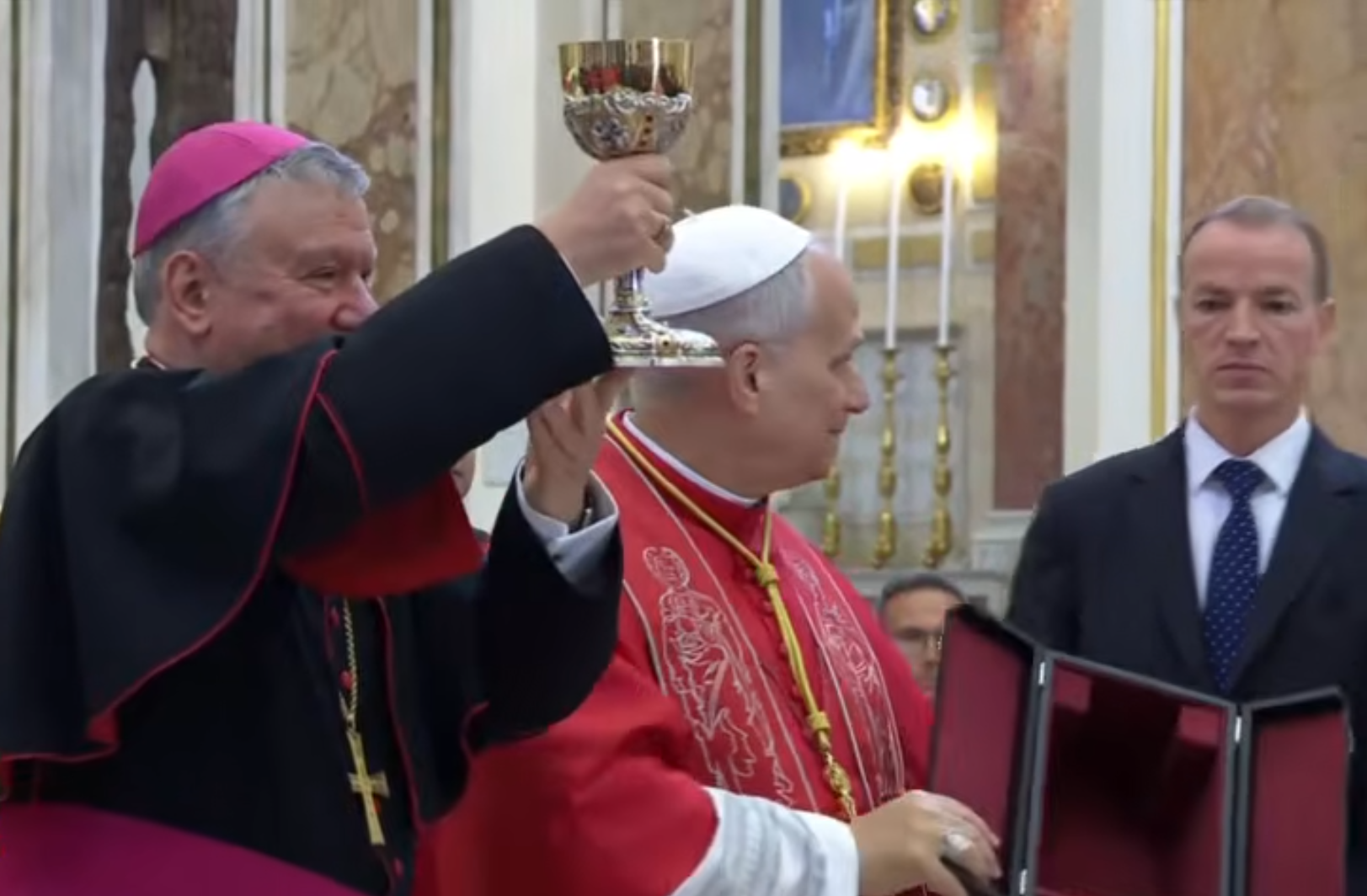
The meeting inside the cathedral showed a powerful image of faith and solidarity: Pope Leo XIV standing among shepherds of the Church, religious men and women, and families carrying the memory of loved ones lost to pollution. It was a moment where prayer met public responsibility, and where environmental pain was named as a human and spiritual wound.
Pope Leo XIV’s message in Acerra was clear: the cries of polluted communities must not be ignored. The Church must remain close to the victims, defend life, denounce indifference, and help transform wounded lands into places of justice, healing, and renewed hope.