17th-Century Shipwreck Found in Cádiz Reveals Hidden Colonial Smuggling Network
17th-Century Shipwreck Found in Cádiz Reveals Hidden Colonial Smuggling Network
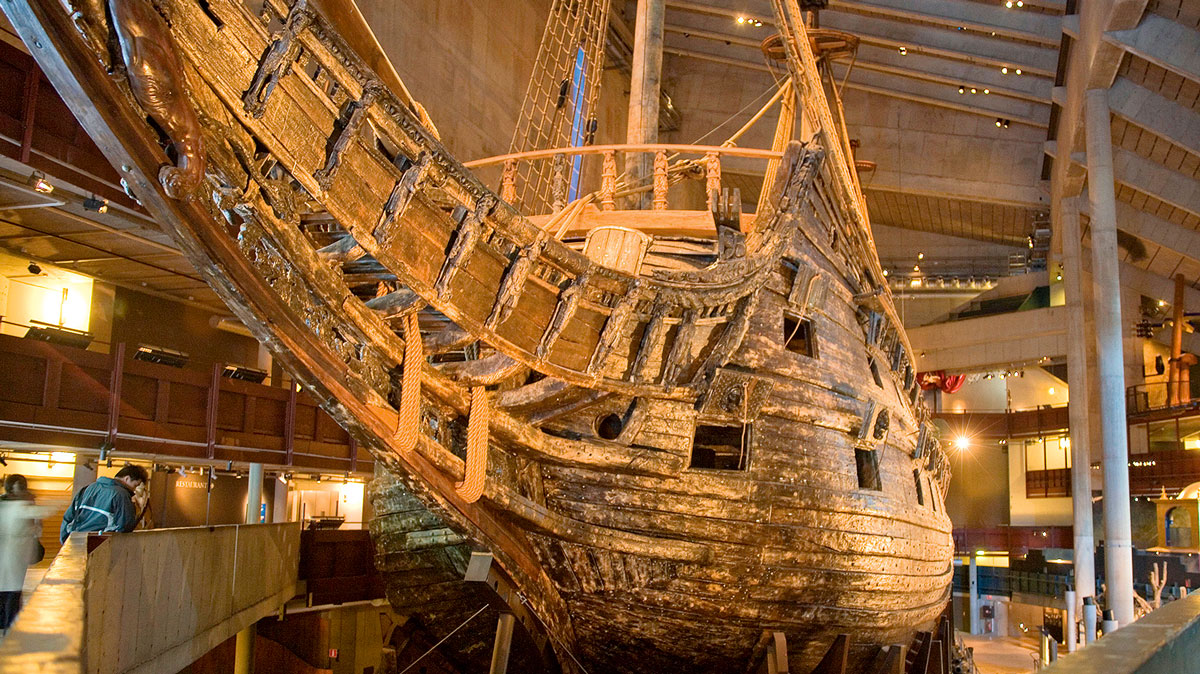
A newly studied shipwreck discovered off the coast of Cádiz is offering rare insight into the complex and often hidden world of 17th-century Atlantic trade — including evidence that may point to an extensive colonial-era smuggling network.
The wreck, believed to date back to the 1600s, was uncovered during underwater archaeological surveys in waters historically used by Spanish fleets traveling between Europe and the Americas. Researchers say the vessel’s structure and recovered cargo fragments suggest it was a merchant ship operating during the height of Spain’s global maritime empire.
Early analysis indicates the ship carried a mixture of officially registered goods and undeclared cargo, a pattern consistent with smuggling practices that were increasingly common during the colonial period. Items recovered from the site include ceramics, metal tools, and fragments of imported luxury goods that do not appear in official shipping records from the era.
Historians explain that Cádiz was a key hub in the Spanish transatlantic trade system, serving as a departure and return point for fleets transporting silver, textiles, spices, and manufactured goods between Europe and the New World. The enormous scale of this trade created opportunities for private merchants and crew members to bypass official taxation and regulations.
Smuggling networks during this period were often highly organized, involving ship captains, dock workers, merchants, and colonial officials. These systems allowed illicit goods to move alongside legitimate cargo, making enforcement extremely difficult for authorities at the time.
The shipwreck’s condition also provides clues about its final voyage. Structural damage suggests it may have encountered severe weather or navigational difficulties before sinking, a common risk in the heavily trafficked but dangerous Atlantic routes of the era.
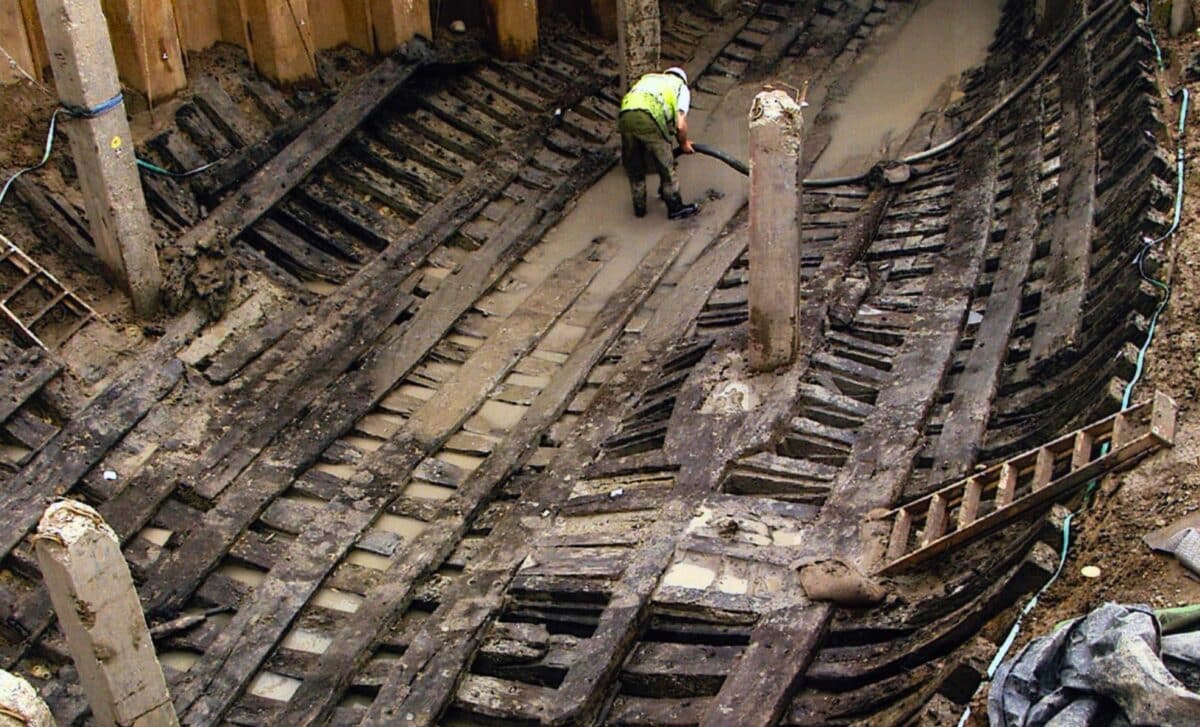
Marine archaeologists emphasize that while the term “hidden network” may sound dramatic, the findings are consistent with what is already known about early modern maritime economies. Smuggling was not an exception but a widespread feature of colonial trade systems.
Still, the discovery is valuable because it provides physical evidence that helps historians better understand how global commerce functioned beneath official records — revealing a more complicated picture of economic life in the 17th century.
As excavation continues, researchers hope the Cádiz wreck will shed further light on the people who sailed, traded, and sometimes broke the rules in one of history’s most important maritime crossroads.