A Species That Survived Thousands of Years Is Now Fighting to Survive the Modern Ocean
A Species That Survived Thousands of Years Is Now Fighting to Survive the Modern Ocean
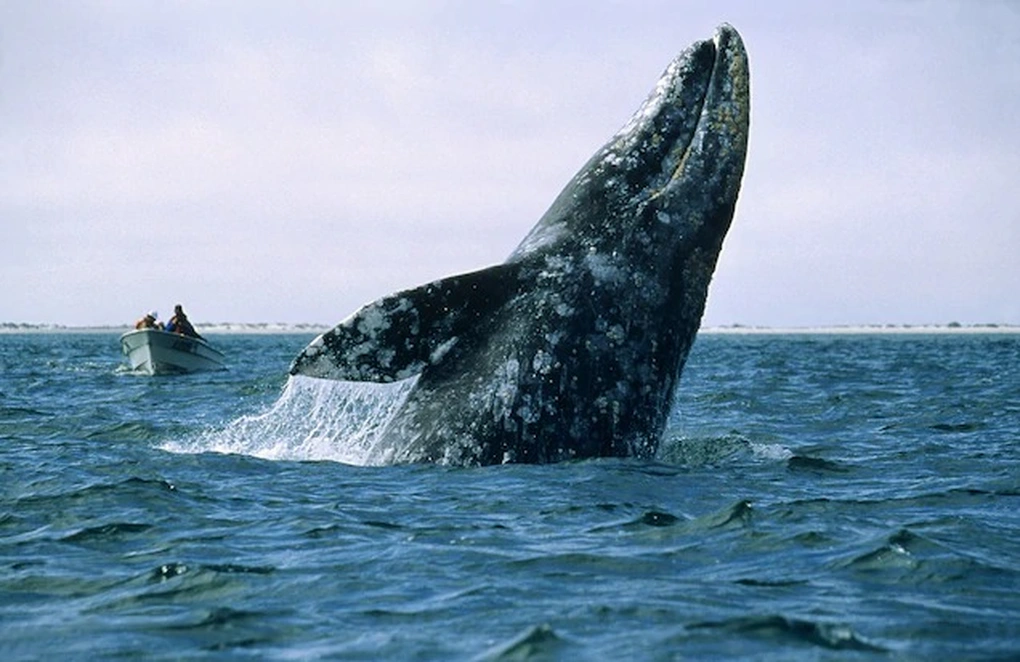
For more than ten thousand years, gray whales have followed one of the longest migration routes on Earth — traveling thousands of miles every year from the icy Arctic seas to the warm lagoons of Mexico and back again.
They survived ice ages.
They survived industrial whaling.
They survived multiple brushes with extinction.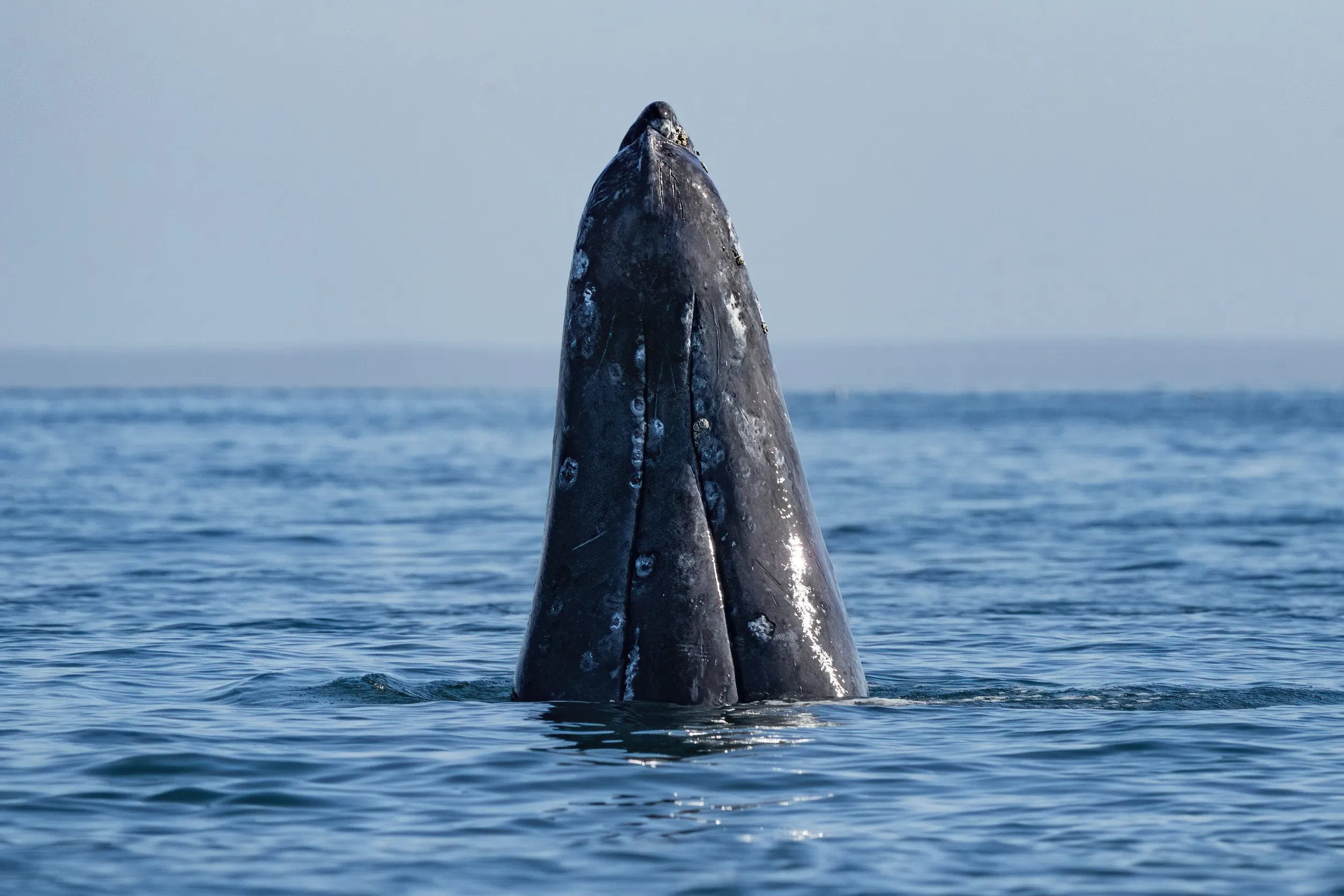
But today, a rapidly warming ocean is threatening them in ways nature never prepared them for.
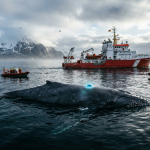
As Arctic sea ice disappears, the tiny crustaceans that form the foundation of the gray whale diet are disappearing as well. Without enough food in their northern feeding grounds, many whales are beginning their migration already weak and malnourished.
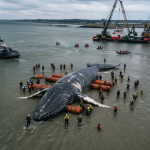
Since 2019, starving gray whales have been washing ashore along the coasts of California and Oregon in heartbreaking numbers. Many were severely underweight, their bodies showing clear signs of starvation. Scientists say the crisis is unlike anything seen in decades.
Even more alarming, researchers are witnessing behavior never commonly observed before. Gray whales are abandoning ancient migration patterns and entering unexpected areas like San Francisco Bay in a desperate search for food. Some appear exhausted and disoriented. Many never make it back to the Arctic.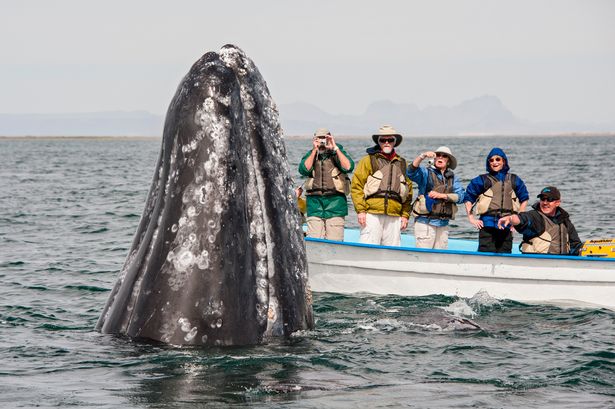
In the late 1990s, the eastern North Pacific gray whale population was estimated at around 27,000 animals. Today, that number has fallen to fewer than 14,500.
A species that endured for millennia is now being pushed toward collapse by environmental changes happening faster than it can adapt.
This is no longer just a story about whales. It is a warning about the accelerating transformation of our oceans — and what that means for every species that depends on them.
Every starving gray whale found along the shoreline is more than a tragic image. It is evidence of an ecosystem under stress, a chain reaction unfolding beneath the surface of a warming planet.
If animals that survived thousands of years of natural change are now struggling to survive modern oceans, the question becomes impossible to ignore:
How much time does the rest of the ecosystem have left?