Noah’s Ark Was “Impossible” to Build — The Engineering Debate Behind the Ancient Story
Noah’s Ark Was “Impossible” to Build — The Engineering Debate Behind the Ancient Story
The story of Noah’s Ark has inspired debate for centuries, not only among theologians and historians, but also among engineers and naval architects who question whether such a massive wooden vessel could realistically have been built using ancient technology.
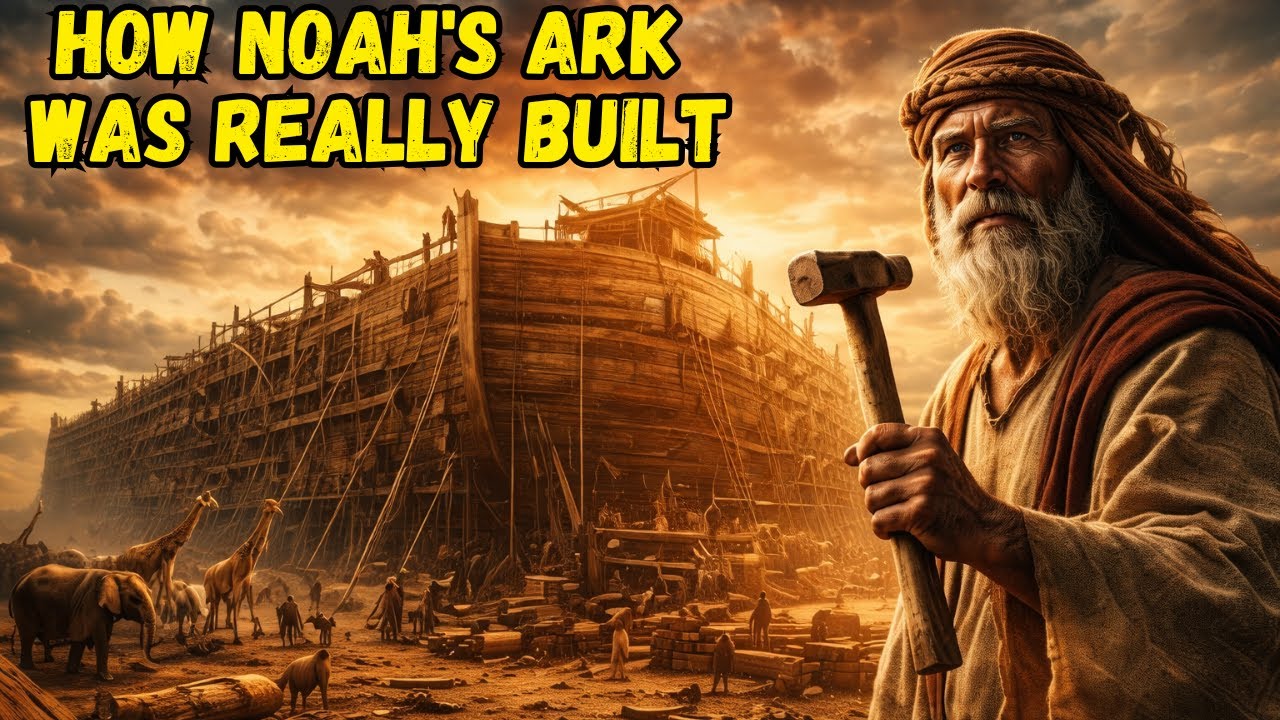
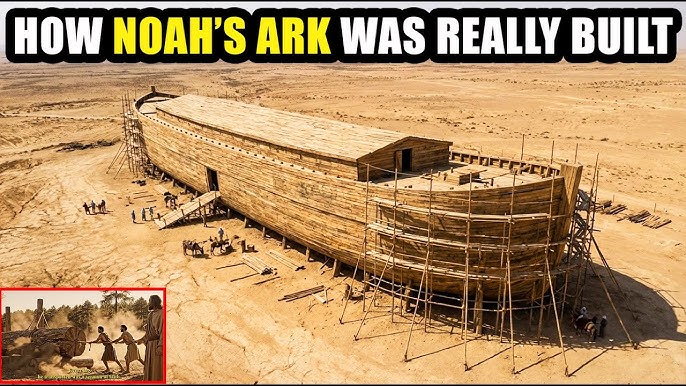
According to the Book of Genesis, the Ark measured 300 cubits long, 50 cubits wide, and 30 cubits high — dimensions that would place it at roughly 135 meters in length depending on the cubit used. For comparison, this would make the Ark larger than many historical wooden ships ever constructed.
Why Some Engineers Call It “Impossible”
Modern shipbuilding experts point out that extremely large wooden vessels face serious structural problems. As ships increase in size, their hulls naturally bend under stress from waves and shifting cargo loads.
Without advanced metal reinforcement, a wooden ship of Ark-scale dimensions could potentially suffer from:
- Hull flexing and cracking
- Water leakage between planks
- Structural instability during storms
- Difficulty distributing massive weight evenly
Historically, many oversized wooden ships built in the 18th and 19th centuries struggled with these same issues even with more advanced tools and engineering knowledge.
Why Others Believe It Was Theoretically Possible
Some researchers argue that the Ark’s proportions described in Genesis are surprisingly stable for flotation. Rather than functioning as a fast-moving sailing vessel, the Ark resembles the shape of a large barge designed mainly to stay afloat.
Marine engineers studying scale models have suggested that a heavily reinforced wooden structure with internal bracing systems could theoretically survive rough water under certain conditions.
The biblical account also describes waterproof pitch coating, multiple decks, and internal compartments — features that would improve buoyancy and structural support.
Historical Context Matters
Archaeologists emphasize that no verified remains of Noah’s Ark have ever been conclusively discovered. Claims involving findings near Mount Ararat remain controversial and unsupported by definitive scientific evidence.
Many historians also note that flood narratives appear throughout ancient Mesopotamian cultures, including stories found in the Epic of Gilgamesh. This suggests the Ark narrative may reflect broader ancient traditions shaped by regional flooding events and symbolic storytelling.
The Real Debate
Today, the debate surrounding Noah’s Ark is less about proving whether the vessel existed exactly as described and more about understanding how ancient people imagined survival, catastrophe, and divine intervention.
From an engineering perspective, the Ark remains a fascinating thought experiment — a blend of ancient design concepts, maritime physics, and cultural tradition that continues to spark discussion thousands of years later.