Archaeologists Found the Long-Lost Tomb of Egypt’s Missing Pharaoh
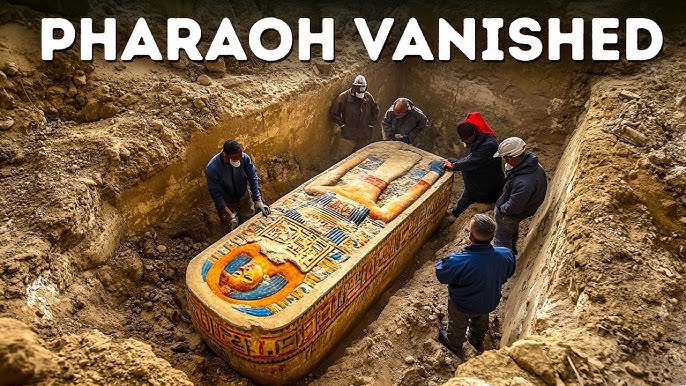
Archaeologists Found the Long-Lost Tomb of Egypt’s Missing Pharaoh
A remarkable archaeological discovery in Egypt has reignited interest in one of ancient history’s greatest mysteries: the search for the tombs of pharaohs who seemingly vanished from the historical record.
For decades, archaeologists have searched for the burial places of several rulers whose tombs remain undiscovered, including members of Egypt’s turbulent 18th Dynasty and other little-known pharaohs whose reigns were overshadowed by political upheaval, religious reforms, or later attempts to erase them from history.
Recent excavations near the Valley of the Kings and other ancient necropolises have uncovered new chambers, inscriptions, and burial artifacts that may be connected to previously unidentified royal individuals. These discoveries have led to speculation that researchers could be getting closer to locating the final resting place of one of Egypt’s “missing pharaohs.”
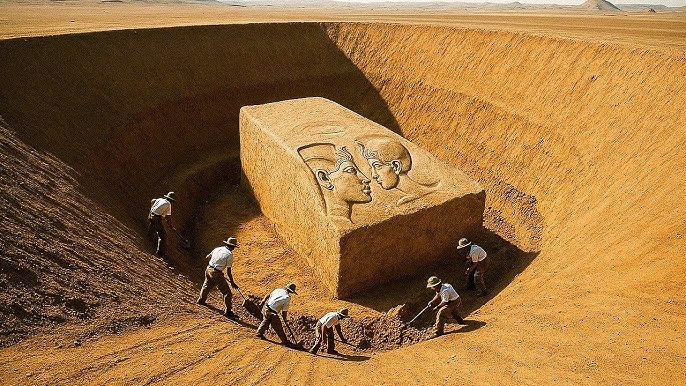
Archaeologists emphasize, however, that identifying a tomb is only the first step. Determining exactly who was buried there requires extensive analysis of inscriptions, funerary objects, architectural features, and sometimes DNA evidence from human remains.
Throughout Egyptian history, some pharaohs were deliberately removed from official records by successors seeking to consolidate power. Others ruled during periods of instability, leaving behind few monuments or inscriptions. As a result, several royal burials remain among the greatest unsolved puzzles in Egyptology.
The discovery of a previously unknown royal tomb could significantly improve understanding of ancient Egyptian politics, succession disputes, religious practices, and burial traditions. Even small inscriptions can provide valuable clues about forgotten rulers and lost chapters of Egyptian history.
Despite sensational headlines suggesting that a specific “missing pharaoh” has already been identified, experts caution that such conclusions often take years of careful study. Many archaeological announcements represent promising leads rather than definitive answers.
Still, every new excavation brings researchers closer to solving mysteries that have endured for more than three millennia. Beneath Egypt’s sands, countless secrets remain hidden, waiting to reveal new details about one of the world’s most extraordinary civilizations.
Whether this latest discovery ultimately belongs to a long-lost pharaoh or another member of Egypt’s royal elite, it serves as a powerful reminder that ancient history continues to surprise us—even after thousands of years.