Ancient Underwater “City” Off India’s Coast Sparks Debate About a Lost Civilization
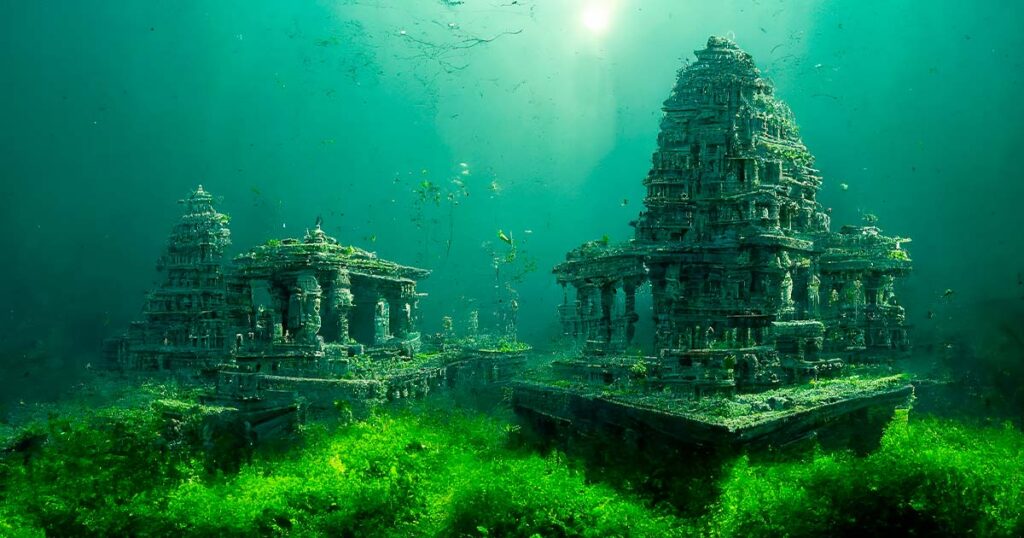
Ancient Underwater “City” Off India’s Coast Sparks Debate About a Lost Civilization
An intriguing underwater site discovered off the coast of India has reignited debate among archaeologists, historians, and enthusiasts about whether the remains could represent part of a long-lost ancient civilization.
The submerged structures, located in coastal waters near the Gulf of Khambhat and other offshore regions that have attracted archaeological interest, appear in sonar images as geometric formations resembling walls, foundations, and possible street-like layouts. These findings have fueled speculation that an ancient settlement may lie beneath the sea.
Supporters of the theory argue that some of the features appear unusually organized and may indicate human construction. If confirmed, such a discovery could provide valuable insight into prehistoric coastal communities that existed before rising sea levels reshaped shorelines thousands of years ago.
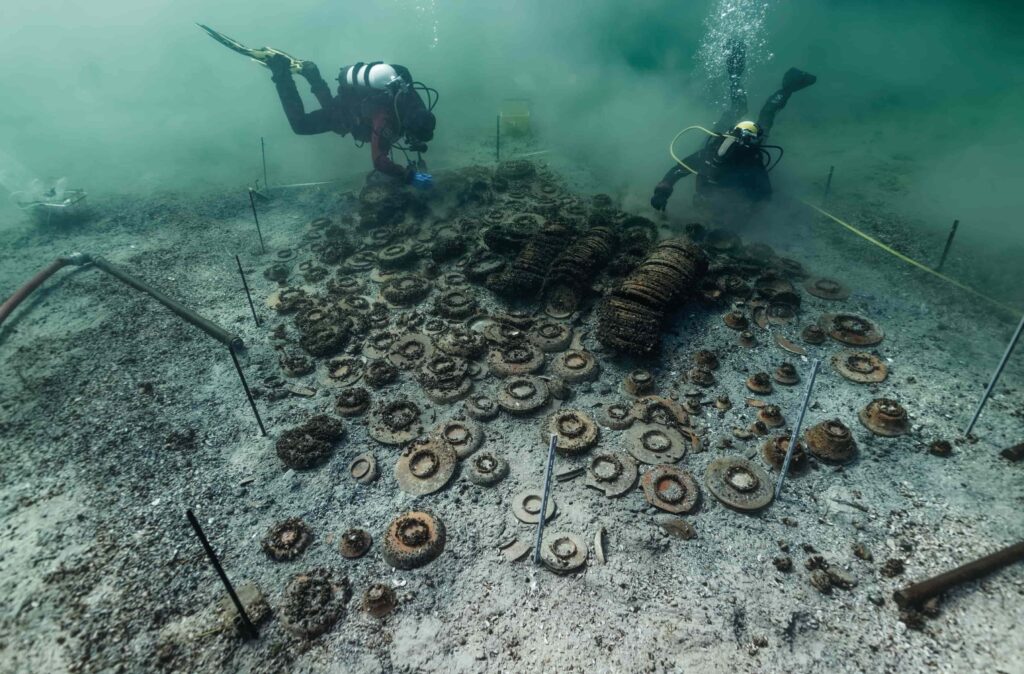
However, many archaeologists urge caution. While artifacts and geological formations have been documented in the area, experts emphasize that interpreting sonar data alone is difficult. Natural rock formations, sediment patterns, and underwater erosion can sometimes create shapes that appear artificial when viewed from a distance.
Researchers note that sea levels rose significantly following the end of the last Ice Age, flooding vast areas of formerly inhabited coastal land around the world. As a result, the possibility of submerged prehistoric settlements is scientifically plausible and remains an active area of study.
Excavations and sample analysis conducted over the years have produced mixed results. Some recovered materials have suggested human activity, while other findings remain inconclusive. To date, no definitive evidence has established the existence of a previously unknown advanced civilization beneath the waters.
The debate highlights a broader challenge in underwater archaeology: distinguishing genuine human-made structures from natural geological formations in environments that are often difficult to investigate.
Despite sensational claims frequently appearing online, scientists stress that extraordinary conclusions require extraordinary evidence. Further surveys, excavations, and dating studies will be necessary before researchers can determine exactly what lies beneath the seabed.
Whether the site proves to be an ancient settlement, a natural formation, or something in between, it continues to capture global attention as one of the most intriguing underwater mysteries along India’s coastline.