Streets, Homes, and Tombs Found Beneath the Waters of Greece
Streets, Homes, and Tombs Found Beneath the Waters of Greece
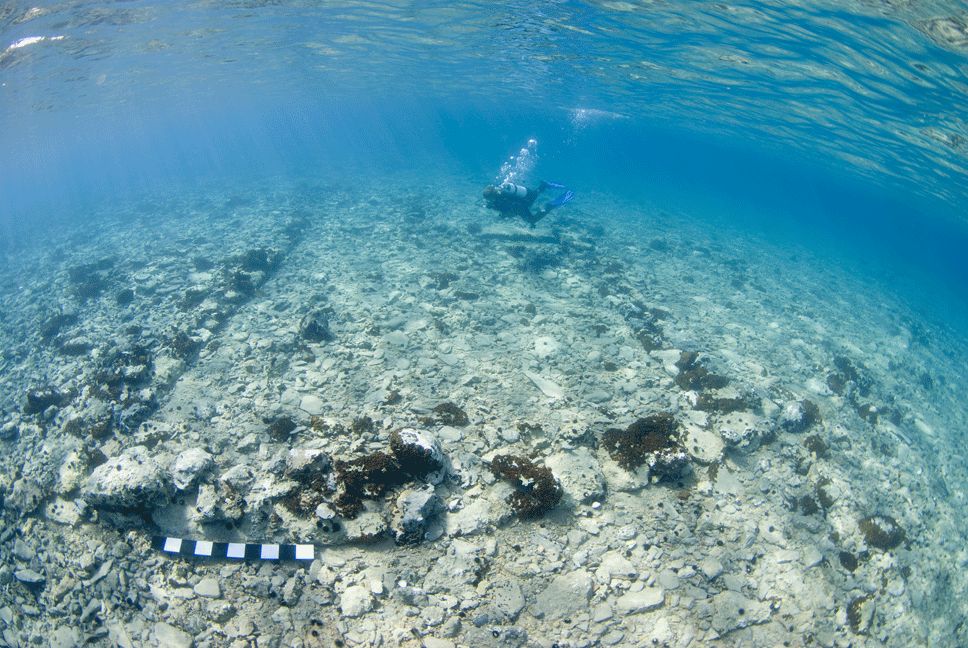
Along the coastline of Greece, archaeologists are uncovering submerged traces of ancient life that are reshaping how we understand early Mediterranean civilizations. Beneath the sea lie the remains of streets, homes, harbor structures, and burial sites that once formed thriving coastal communities.
These underwater discoveries are scattered across several regions of the Aegean and Ionian Seas, where shifting coastlines, earthquakes, and long-term sea level rise gradually transformed land into seabed. What were once active settlements are now preserved under layers of sediment and seawater.
A Snapshot of Ancient Coastal Life
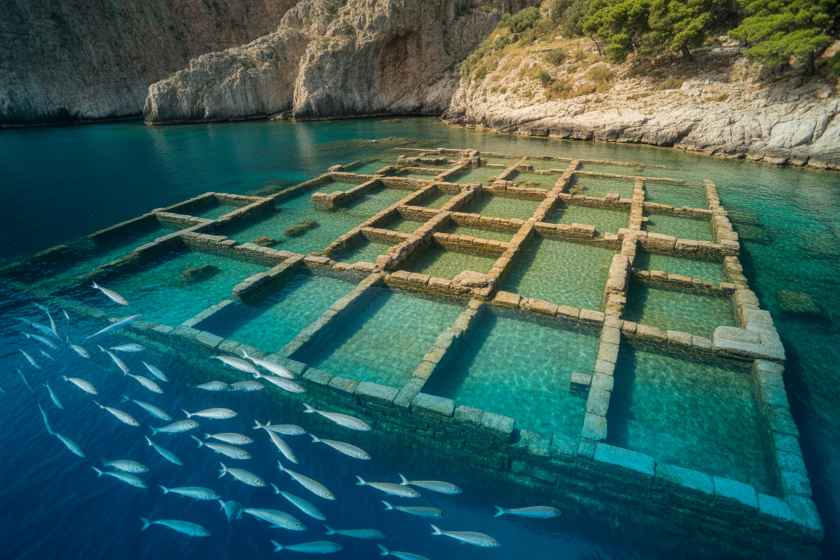
Among the most significant findings are stone-paved streets, building foundations, storage rooms, and residential areas. In some locations, archaeologists have identified entire urban layouts, suggesting organized planning and long-term habitation rather than isolated structures.
Tombs and burial sites have also been discovered, offering insight into ancient funerary practices. Pottery, tools, and personal items found within these areas help researchers reconstruct daily life, trade activity, and cultural traditions of the communities that once lived along the coast.
Why These Cities Disappeared
Scientists believe these settlements were not “lost overnight,” but instead gradually submerged over centuries due to a combination of natural processes, including:
- Rising sea levels after the last Ice Age
- Coastal erosion and sediment shifts
- Earthquakes and tectonic activity
- Local subsidence of land masses
In some cases, sudden events such as tsunamis may have accelerated the flooding of certain areas.
How Archaeologists Study Underwater Ruins
Modern underwater archaeology relies on advanced tools such as sonar mapping, remotely operated vehicles (ROVs), and 3D photogrammetry. These technologies allow researchers to map entire submerged landscapes without fully excavating them.
In some sites, the clarity of preservation is so high that building outlines and street grids can still be traced beneath the seabed.
Not a “Lost Civilization,” But a Preserved One
While online stories often describe these sites as evidence of “lost cities” or forgotten advanced civilizations, archaeologists emphasize that they belong to known ancient cultures of the Mediterranean world. These discoveries expand existing history rather than overturn it.
They show that ancient Greek societies were more geographically extensive and environmentally adaptable than previously understood.
Why These Discoveries Matter
These underwater ruins are valuable because they preserve a rare record of human life frozen by nature. Unlike ruins on land, submerged sites are often protected from agriculture, construction, and looting, allowing them to remain relatively intact for thousands of years.
Each discovery adds another layer to the story of how ancient communities lived, traded, and eventually adapted to a changing coastline — leaving behind silent streets now resting beneath the waves.