They Called Her a Thief, But Her Secret Fed Over a Hundred Children
They Called Her a Thief, But Her Secret Fed Over a Hundred Children
Mrs. Clara Bennett had worked in the cafeteria at Lincoln Elementary for nineteen years. At sixty-one, she was the kind of woman people barely noticed anymore — quiet, steady, always the first to arrive and the last to leave. She knew every child’s name, remembered who liked extra ketchup, and never raised her voice.
Until the morning the new district supervisor called her into his office.
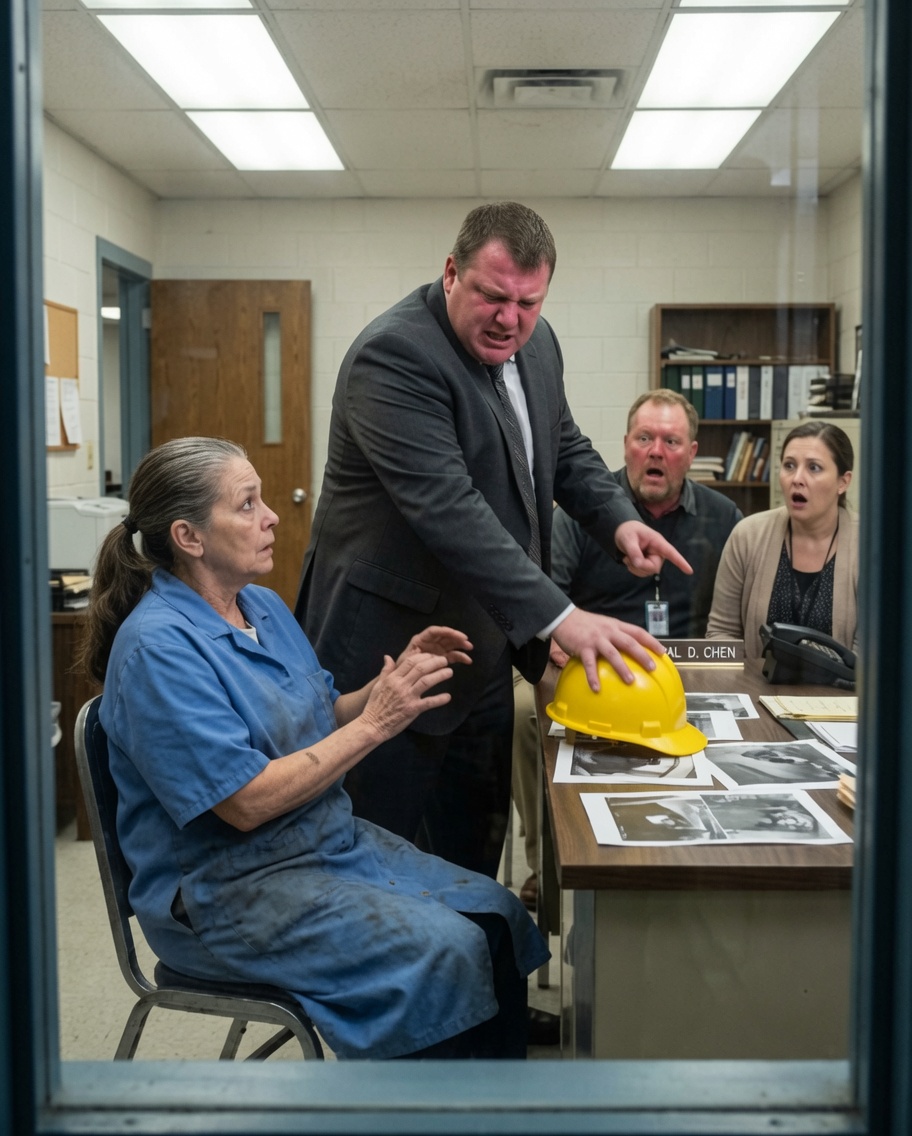
Mr. Richard Hargrove sat behind a metal desk with three printed photos spread out like evidence in a crime scene. The images showed Clara pushing a metal cart stacked with bread, fruit, juice boxes, and wrapped sandwiches down the hallway toward the old utility closet near the boiler room.
“Mrs. Bennett,” he said without looking up, “this is unauthorized removal of district property. We have clear policy on this. You’re suspended effective immediately. We’ll hold a formal hearing this Friday.”
Clara didn’t argue. She simply nodded once, the way she always did when words wouldn’t change anything.
What Mr. Hargrove didn’t know — what the cameras had never captured — was that Clara had started six months earlier, on a cold Tuesday in November.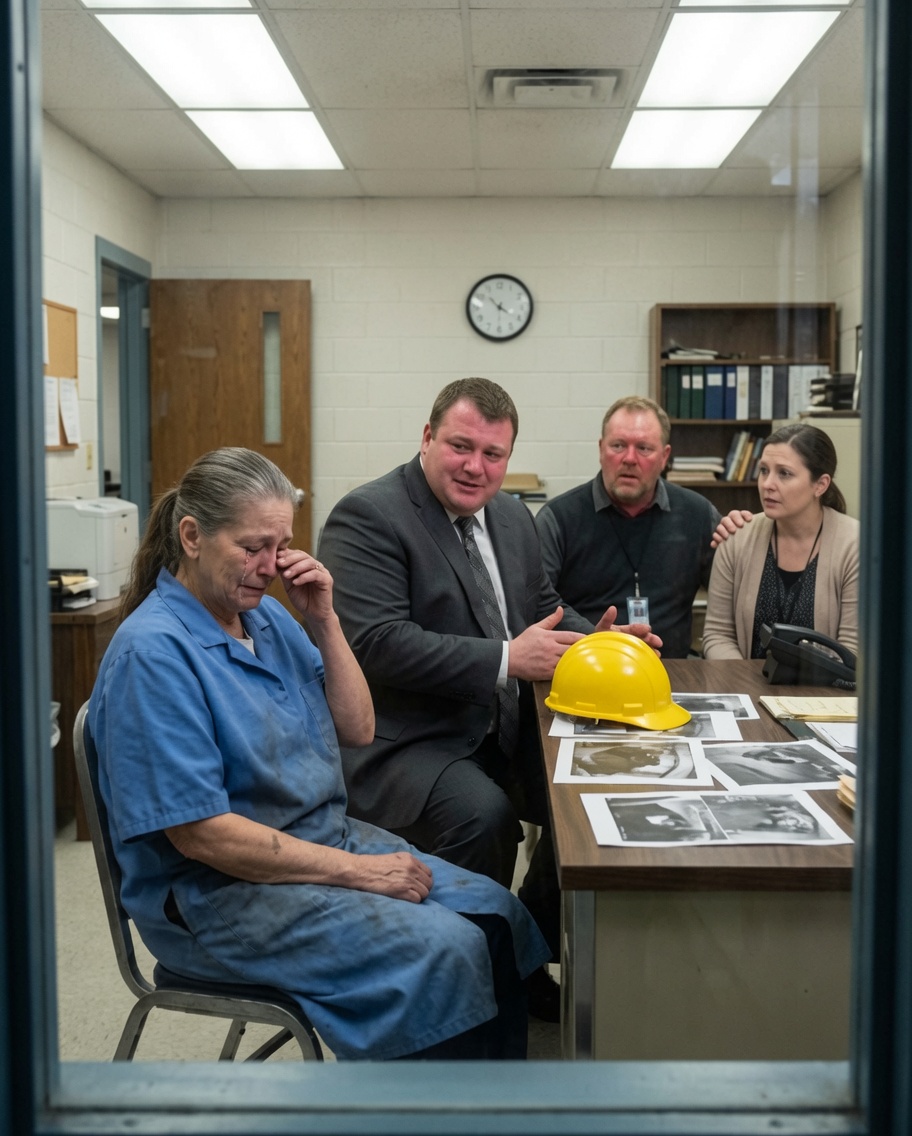
She had stayed late to finish cleaning and noticed a small figure by the dumpsters behind the gym. It was Sofia Ramirez, nine years old, carefully lifting the lid and reaching inside. When Clara called her name softly, the girl froze. In her hands were two half-eaten apples and a squished roll.
Sofia’s eyes filled with tears before she could stop them. “Please don’t tell my mom,” she whispered. “She already works two jobs. My little brother Mateo gets scared when there’s no dinner.”
That night Clara sat at her kitchen table long after dark, staring at the old photo of her late husband, Daniel. He had been a bus driver who died five years earlier. On the back of the photo he had written in his careful handwriting: “You can’t save the whole world, Clara. But you can feed the piece of it standing right in front of you.”
The next morning she began.
She started by setting aside the unopened milks and fruits children left on their trays. Then she began buying extra groceries with her own money — loaves of bread, peanut butter, cheese sticks, apples, granola bars. She found the dusty utility closet that no one used anymore, cleaned it quietly over several evenings, and turned it into a small hidden pantry.
Every afternoon after the last bell, she would let certain children know with just a glance or a gentle touch on the shoulder. The ones whose eyes looked too tired. The ones whose backpacks seemed too light. Sofia and Mateo came first. Then others followed — quietly, carefully, never more than a few at a time so no one would notice.
She never asked questions. She never took names. She simply handed each child a brown paper bag and said the same soft words: “Here, sweetheart. Eat well tonight.”
Word traveled only among the children who needed it. Within weeks she was feeding dozens. By spring, over a hundred children had passed through that little closet at some point — some taking extra portions for younger siblings, some coming every single day. Clara knew many families in the neighborhood were struggling after the warehouse layoffs. She also knew that shame kept most of them silent.
Then the cameras caught her.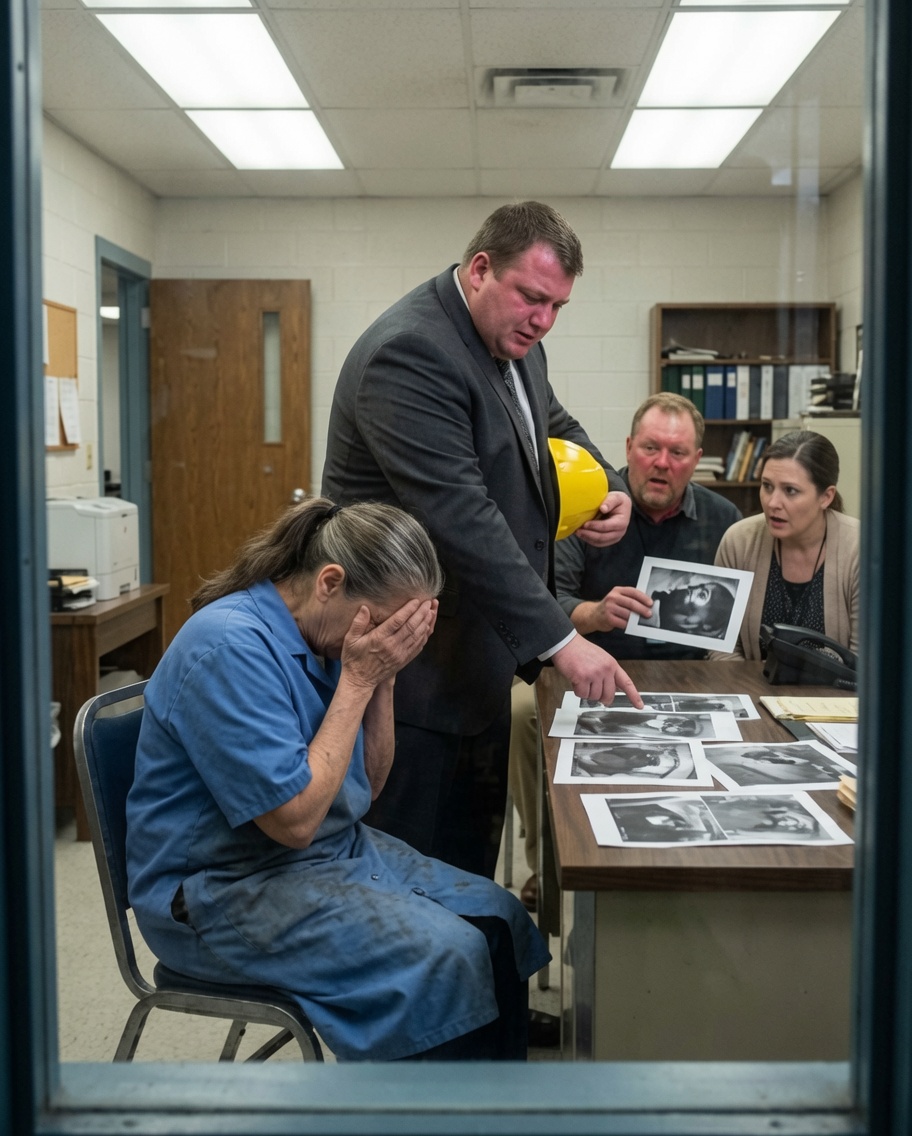
At the disciplinary hearing on Friday, Mr. Hargrove read the policy aloud. Clara sat with her hands folded, listening. When he finished, she spoke for the first time.
“I didn’t take anything for myself,” she said quietly. “Those children were hungry. Some of them only eat because of what I pack. I couldn’t watch them go hungry and do nothing.”
Mr. Hargrove’s face stayed hard. “We have procedures for families in need. If they qualify, they can apply for assistance through the proper channels.”
Before Clara could answer, the door to the meeting room opened.
A tall young man in work boots and a faded flannel shirt walked in. Marcus Rivera was twenty-five now, broad-shouldered from years of construction work. He owned a small renovation company that had just won a contract to fix up several old buildings downtown.
He looked straight at Clara. His voice cracked when he spoke.
“Miss Bennett… you fed me almost every day when I was twelve. My mom was in the hospital for eight months. We had nothing. I used to come to school shaking because I hadn’t eaten since lunch the day before. You never asked why. You just made me an extra peanut butter sandwich and told me to sit in the corner and eat it slow so I wouldn’t get sick.”
He turned to Mr. Hargrove and the board members.
“If helping kids eat is stealing, then I guess I’m an accomplice. Because I’m here to make sure she never has to hide again.”
Marcus had already spoken with two local churches, a food bank, and several small business owners. He had found a small vacant storefront across the street from the school — an old print shop with a blue door. He was ready to lease it and turn it into a proper community pantry.
But there was a problem.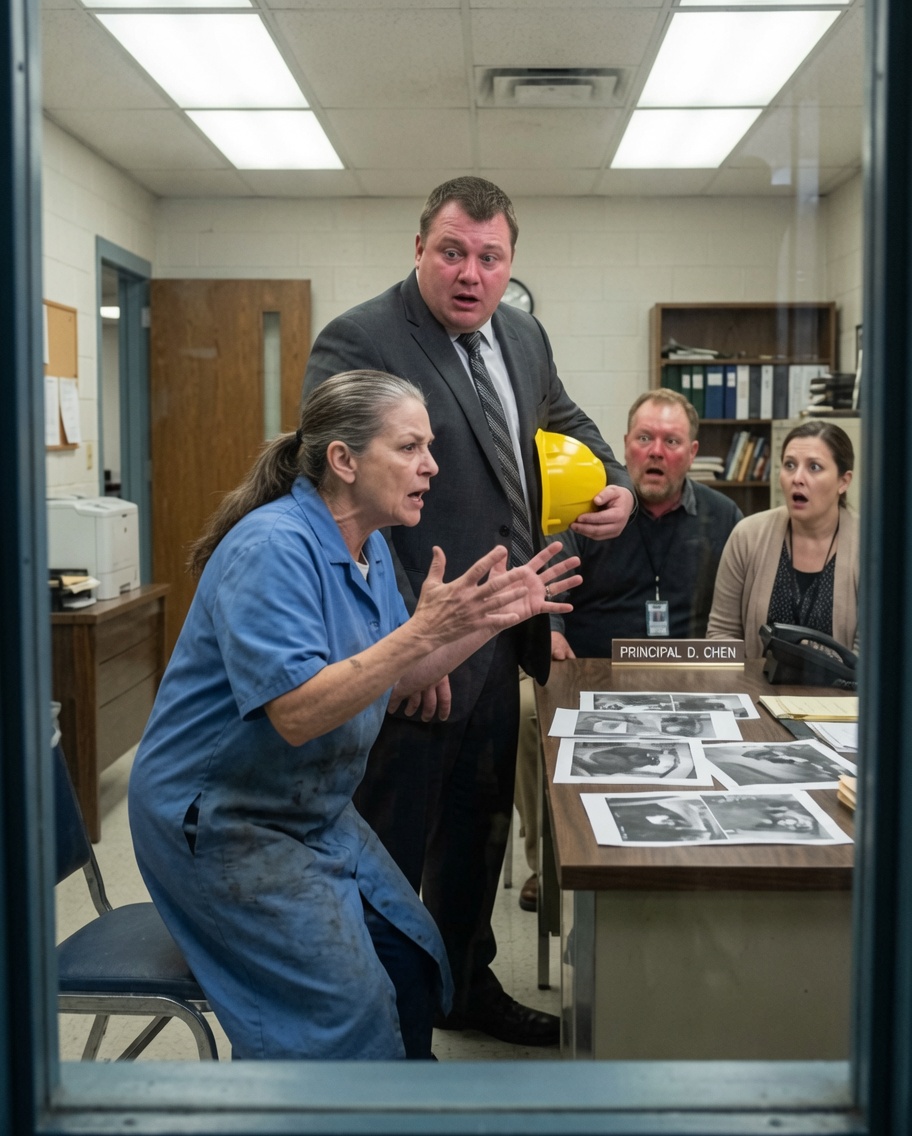
The district announced they would “support” the effort by formalizing it. Families would need to register with names, addresses, guardian information, and proof of income. The forms would be kept on file.
Within a week, the number of children coming to Clara’s little closet dropped sharply. Parents were afraid. Some worried the information would be shared with other agencies. Others simply didn’t want their children labeled or photographed. Sofia and Mateo stopped coming altogether.
Clara sat alone in the empty utility closet one afternoon, staring at the empty shelves, and cried for the first time in years.
Marcus came to see her the next evening.
“I’m not waiting for permission anymore,” he told her. “I’m leasing the print shop myself. We’ll stock it with proper shelves and a real refrigerator. No registration. No questions. No photos. No one has to prove they’re poor enough to deserve food. If the district wants to help, they can donate. If not, we’ll do it without them.”
He kept his word.
Two weeks later, the small blue door across from Lincoln Elementary opened. Marcus and a group of volunteers had painted the walls soft yellow, built sturdy shelves, and put a simple wooden sign above the entrance:
The Long Table No child goes hungry here. No questions asked.
Clara was asked to be the director. She accepted.
On opening day, children came quietly at first, then in a steady stream. Some parents came too, eyes lowered, taking only what they needed. There were no forms. No interviews. Just Clara or one of the volunteers handing them a bag or letting them choose from the shelves with dignity.
Mr. Hargrove visited on the third day. He stood awkwardly near the door for a long time before finally walking over to Clara.
“I was wrong,” he said simply. “I brought some canned goods from my own pantry. If you’ll still take them.”
Clara accepted the box without a word, then surprised everyone by giving him a small hug.
Today, The Long Table feeds families every afternoon. Marcus still stops by twice a week with fresh produce from a local farm he partners with. Sofia and Mateo come every Tuesday and Thursday. Sometimes they stay to help stock shelves.
Clara still thinks of Daniel’s words every single day.
She can’t save the whole world. But she can make sure the child standing right in front of her never has to dig through a dumpster again.
And now she doesn’t have to do it alone — or in secret.