Atlantis — The Legendary Lost Civilization Described by Plato Over 2,000 Years Ago
Atlantis — The Legendary Lost Civilization Described by Plato Over 2,000 Years Ago
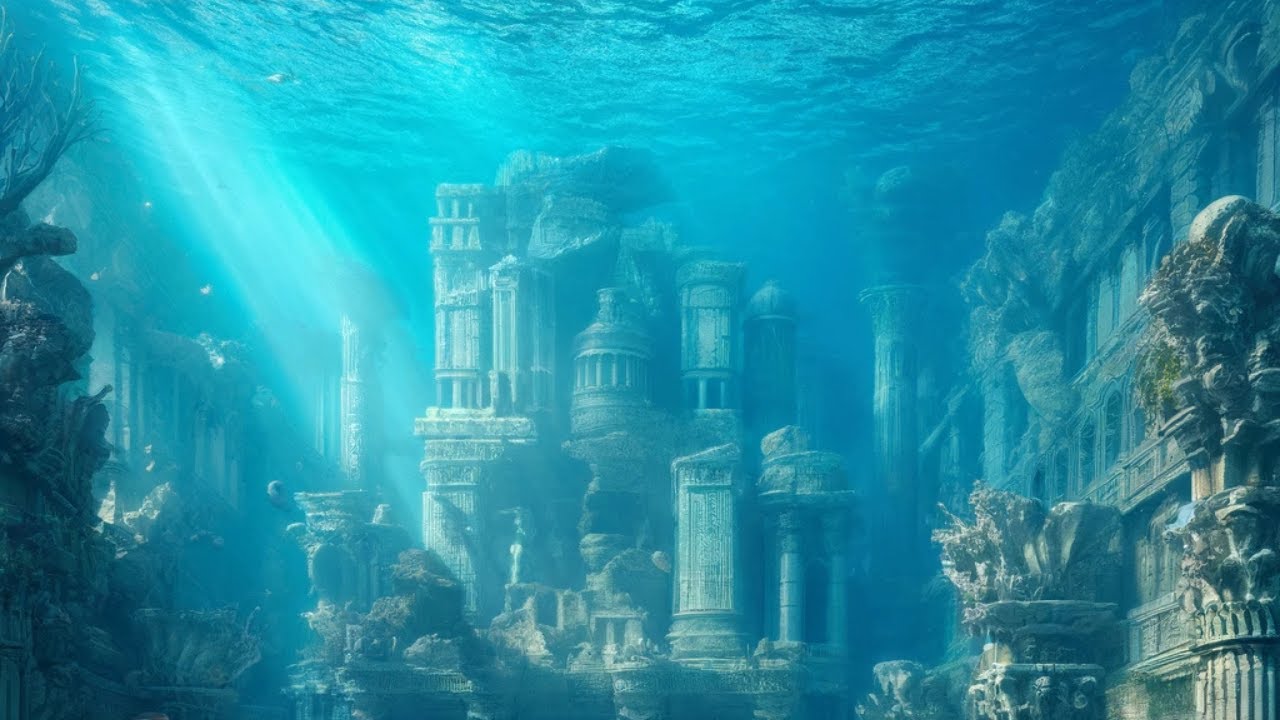
The story of Atlantis has fascinated historians, philosophers, and explorers for more than two millennia. First described by the ancient Greek philosopher Plato in his dialogues Timaeus and Critias, Atlantis is portrayed as a powerful island civilization that supposedly existed thousands of years before his time.
According to Plato’s account, Atlantis was a highly advanced society with impressive architecture, strong naval power, and organized governance. It was said to lie “beyond the Pillars of Hercules,” often interpreted as the modern Strait of Gibraltar.
Plato’s Original Description
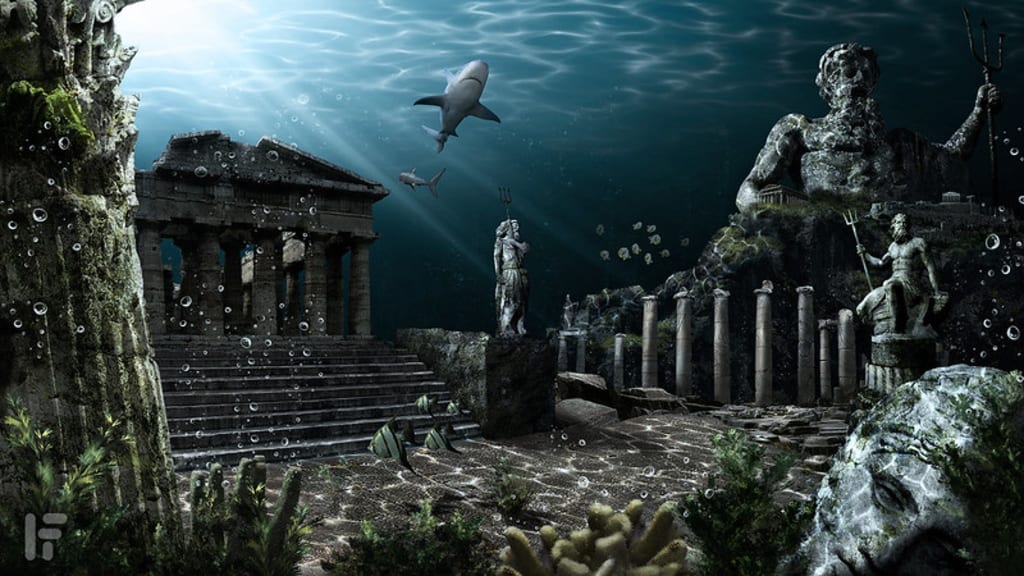
Plato described Atlantis as a vast island ruled by kings descended from the god Poseidon. The capital city was said to be built in concentric rings of land and water, with temples, palaces, and harbors connected by canals.
Over time, according to the story, the Atlanteans became morally corrupt and ambitious. As a result, their civilization was said to have fallen out of favor with the gods.
The Sudden Disappearance
Plato wrote that Atlantis was eventually destroyed in a single catastrophic event, sinking into the ocean “in a single day and night of misfortune.” This dramatic description has led to centuries of speculation about whether it could represent a real historical event.
What Science Says Today
Modern archaeology and geology do not support the existence of a lost advanced civilization matching Plato’s description. Most scholars believe Atlantis was a philosophical allegory created by Plato to illustrate ideas about morality, power, and the rise and fall of societies.
However, some researchers suggest that the story may have been inspired by real natural disasters in the ancient world, such as volcanic eruptions or coastal flooding events that affected early Mediterranean civilizations.
Possible Inspirations Behind the Myth
One popular theory links the Atlantis story to the eruption of the volcanic island of Santorini (Thera) in the Aegean Sea around 1600 BCE. This event destroyed the Minoan civilization’s settlements and triggered massive tsunamis across the region.
While this event shares some similarities with Plato’s narrative, there is no direct evidence connecting it to Atlantis.
Why Atlantis Endures
Despite the lack of archaeological proof, Atlantis remains one of the most enduring legends in human history. It continues to inspire books, films, and theories about lost knowledge and ancient advanced civilizations.
Its appeal lies not in confirmed history, but in the idea that somewhere beneath the ocean, traces of forgotten worlds might still exist.
Whether interpreted as myth, metaphor, or misremembered history, Atlantis continues to represent humanity’s fascination with the unknown depths of the past — and the sea.