66 Million Years Ago, the Dinosaurs Vanished — But Why?
66 Million Years Ago, the Dinosaurs Vanished — But Why?
Around 66 million years ago, at the end of the Cretaceous period, a mass extinction event wiped out nearly all non-avian dinosaurs, reshaping life on Earth forever. This event, known as the Cretaceous–Paleogene (K–Pg) extinction, marks one of the most dramatic turning points in planetary history.
The Leading Explanation: An Asteroid Impact
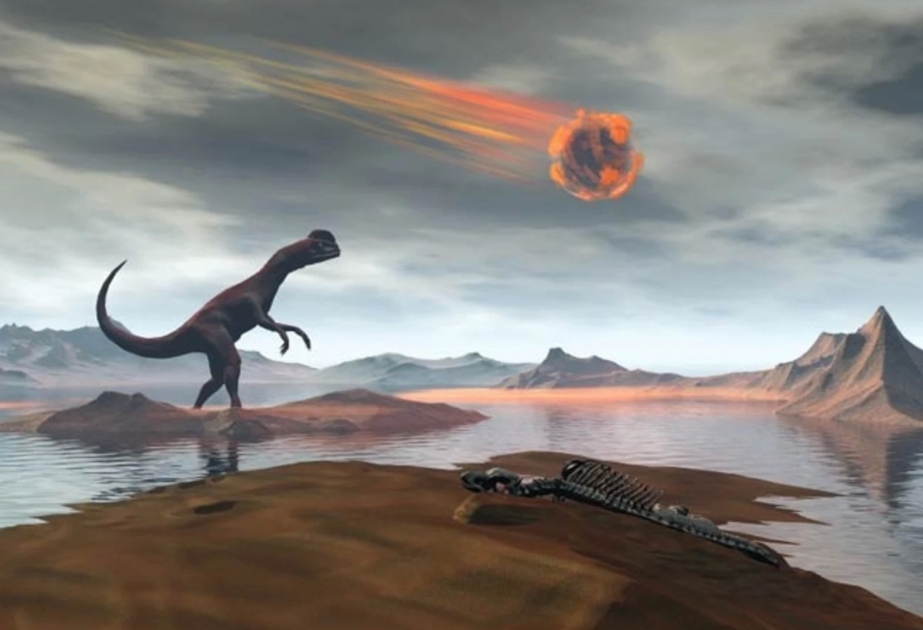
The most widely accepted scientific explanation is the impact of a massive asteroid or comet, estimated to be about 10–15 kilometers wide. Evidence points to a crater buried beneath the Yucatán Peninsula in modern-day Mexico, known as the Chicxulub impact site.
When the asteroid struck Earth, it released energy billions of times greater than a nuclear explosion. The immediate effects would have included:
- Massive shockwaves and earthquakes
- Global wildfires
- Tsunamis across oceans
- Debris ejected into the atmosphere
A Planet Turned Dark
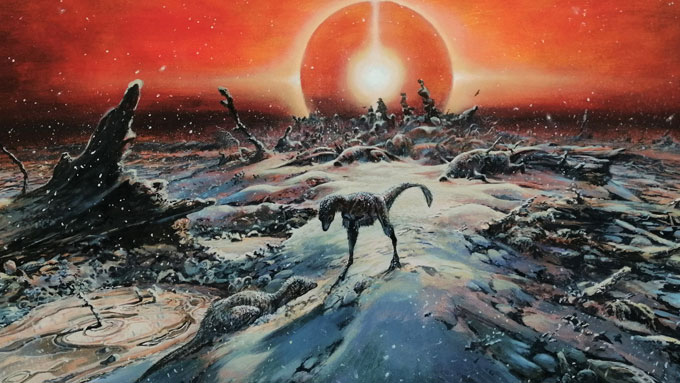
One of the most devastating consequences was the dust and aerosols thrown into the atmosphere. These particles blocked sunlight, causing a dramatic drop in global temperatures and disrupting photosynthesis.
With sunlight reduced, plants died off, collapsing food chains from the ground up. Herbivores starved, followed by the predators that depended on them.
Volcanic Activity May Have Contributed
At the same time, massive volcanic eruptions in what is now India, known as the Deccan Traps, were releasing large amounts of lava, carbon dioxide, and sulfur compounds into the atmosphere.
Scientists believe these eruptions may have worsened climate instability and environmental stress, making ecosystems even more vulnerable.
Why Some Species Survived
Not all life was destroyed. Small mammals, birds, reptiles, amphibians, and marine organisms survived in varying numbers. Survival was often linked to size, diet flexibility, and the ability to live in sheltered environments such as burrows or underwater habitats.
Birds, in fact, are considered the only surviving lineage of theropod dinosaurs.
What It Really Means
The extinction was not a single moment of disappearance but a rapid ecological collapse that unfolded over months to years after the initial impact.
It permanently ended the age of dinosaurs and opened ecological space for mammals to diversify, eventually leading to the rise of humans millions of years later.
The Real Lesson from the Event
The end of the dinosaurs shows how quickly life on Earth can change when global systems are disrupted. Whether triggered by asteroid impact, volcanism, or climate change, the event demonstrates the fragility of even the most dominant species.
Far from a mystery today, the extinction of the dinosaurs is one of the most well-supported events in Earth’s geological record — a reminder of how interconnected and vulnerable life on our planet truly is.