HAWAII MONK SEAL CASE — TENSION BUILDS AS JUNE 9 COURT DATE APPROACHES
HAWAII MONK SEAL CASE — TENSION BUILDS AS JUNE 9 COURT DATE APPROACHES
The case involving endangered Hawaiian monk seal Lani is rapidly becoming one of the most closely watched wildlife protection cases in Hawaiʻi this year.
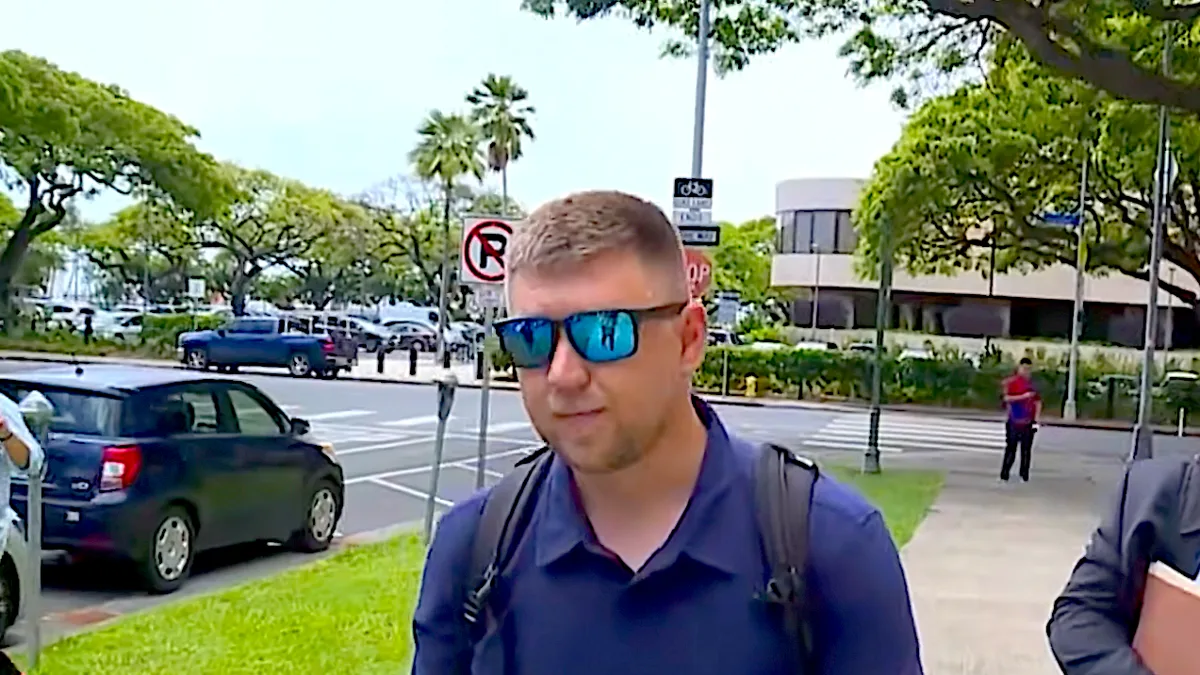
After pleading not guilty in federal court, 38-year-old Washington resident Igor Lytvynchuk remains under strict court-ordered conditions as prosecutors continue preparing evidence ahead of the next hearing scheduled for June 9, 2026.
The controversy began after a viral video filmed on a Maui beach appeared to show a man throwing a large rock toward a Hawaiian monk seal in shallow water. Federal investigators later identified the man as Lytvynchuk, who now faces charges under both the Endangered Species Act and the Marine Mammal Protection Act. According to federal prosecutors, the rock narrowly missed the seal’s head but allegedly caused distress to the protected animal. If convicted, he could face significant fines and possible jail time.
The defense, however, continues to insist there was no intention to harm the seal. Attorneys claim Lytvynchuk believed the animal was threatening nearby sea turtles and reacted out of concern, arguing the incident has been widely misunderstood. They also say he was unfamiliar with Hawaiian monk seals and mistakenly believed the animal was an aggressive sea lion.
The case has sparked intense debate across Hawaiʻi and beyond.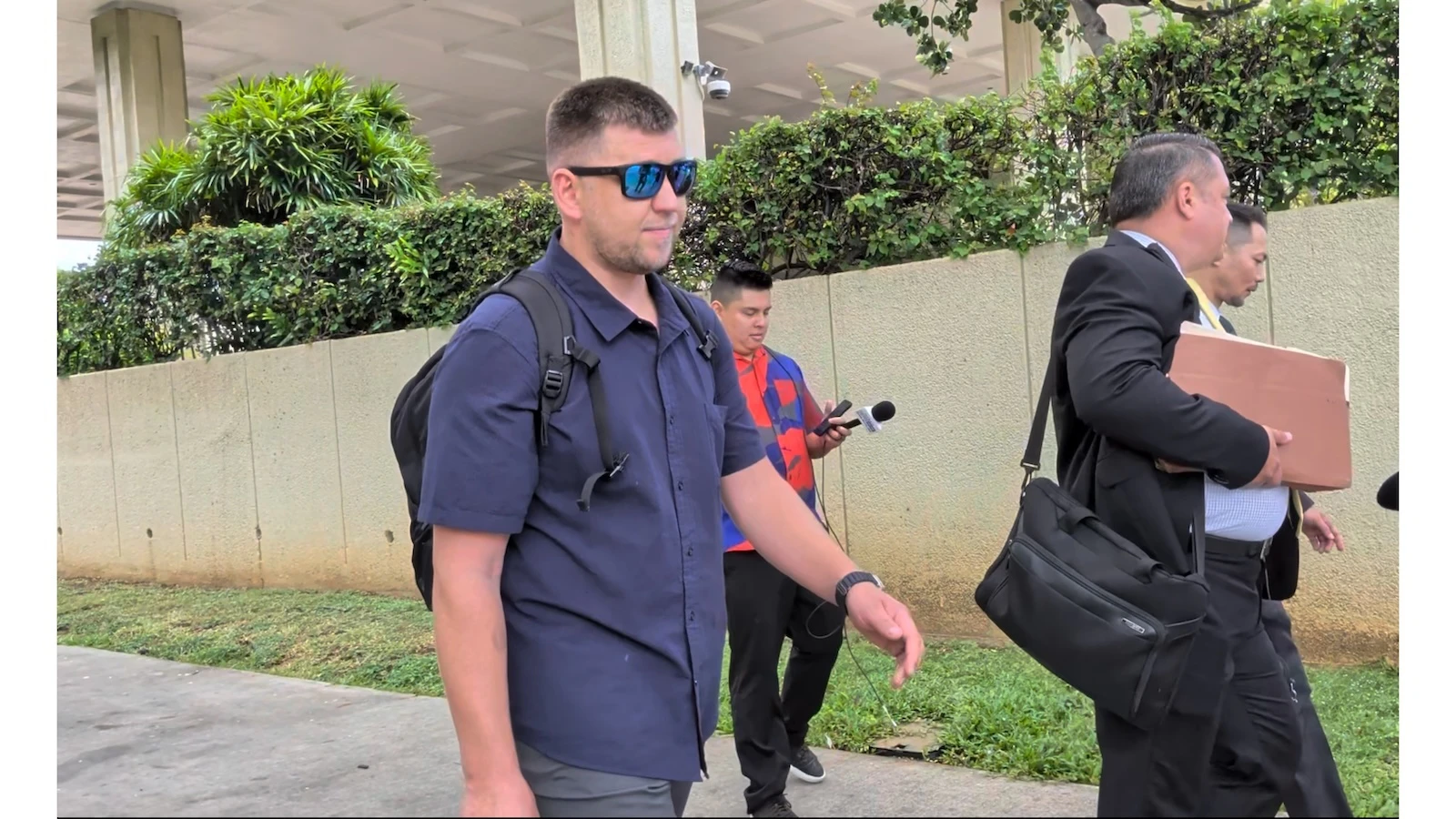
For many residents, Hawaiian monk seals are far more than just wildlife. They are among the rarest marine mammals on Earth, with only around 1,600 remaining in the wild. Conservation groups have repeatedly warned that even seemingly minor acts of harassment can create dangerous stress for an already vulnerable species.
Public reaction has been fierce since the video first spread online. Social media exploded with anger, calls for accountability, and demands for stronger protection of endangered animals. At the same time, others have urged the public to wait until all evidence is presented in court before reaching a final conclusion.
The legal battle has also drawn attention because of the extraordinary fallout surrounding the case. Reports indicate Lytvynchuk has received threats, been publicly identified online, and faced significant backlash since the footage went viral. His attorneys argue that public outrage has already turned the case into a national spectacle long before a verdict has been reached.
For now, the federal court has ordered him to stay away from Hawaiʻi beaches and marine wildlife while the case proceeds. The June 9 hearing is expected to bring additional evidence, and many observers believe it could provide the clearest picture yet of what happened on that Maui shoreline.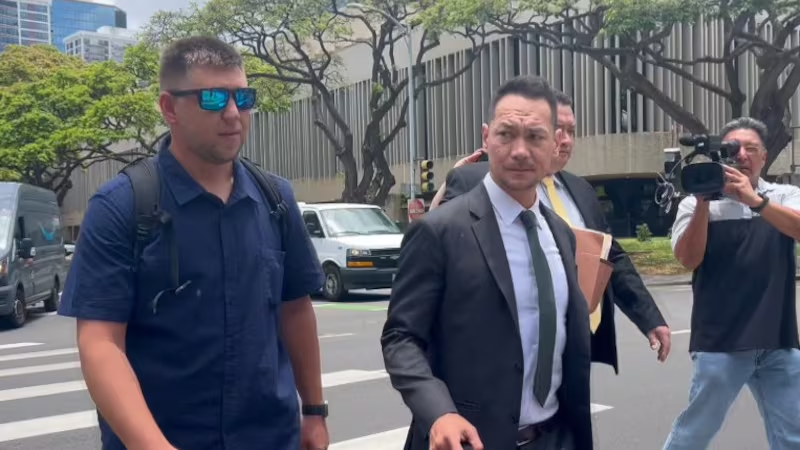
Until then, one thing is certain:
The future of this case now extends far beyond a single incident.
It has become a broader conversation about wildlife protection, tourism responsibility, and how society should respond when endangered animals are placed in harm’s way.
June 9 could be a major turning point.
What do you think? Should intent matter most in this case, or is throwing a rock at an endangered animal enough to justify serious punishment regardless of motive?