Gray Wolf Spotted in Sequoia National Park for the First Time in Over 100 Years
Gray Wolf Spotted in Sequoia National Park for the First Time in Over 100 Years
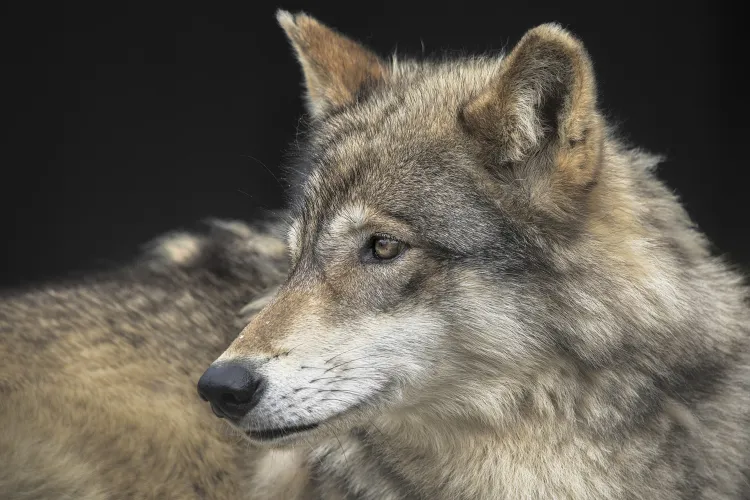
Sequoia National Park is witnessing history as officials confirmed the sighting of a gray wolf, marking the species’ first known appearance in the park in more than a century.
Park rangers and wildlife biologists reported seeing the wolf in a remote area, deep within the park’s wilderness. The animal appeared healthy and was observed moving cautiously through forested terrain, a sign that it may be exploring new territory or returning to its historic range.
Gray wolves were once common throughout California’s mountainous regions, but extensive hunting and habitat loss during the 19th and 20th centuries caused the species to disappear from much of the state. Recent conservation efforts, including habitat protection and reintroduction programs in nearby regions, have led to gradual population recoveries, making sightings like this possible.
“This is an extraordinary moment for California’s wildlife,” said a park biologist. “It shows that ecosystems can heal, and apex predators can return if we give them space and protection.”
While the sighting has excited conservationists and wildlife enthusiasts, park officials caution visitors to maintain a safe distance and avoid interactions. Gray wolves are wild animals and, though generally elusive, can pose risks if approached or provoked.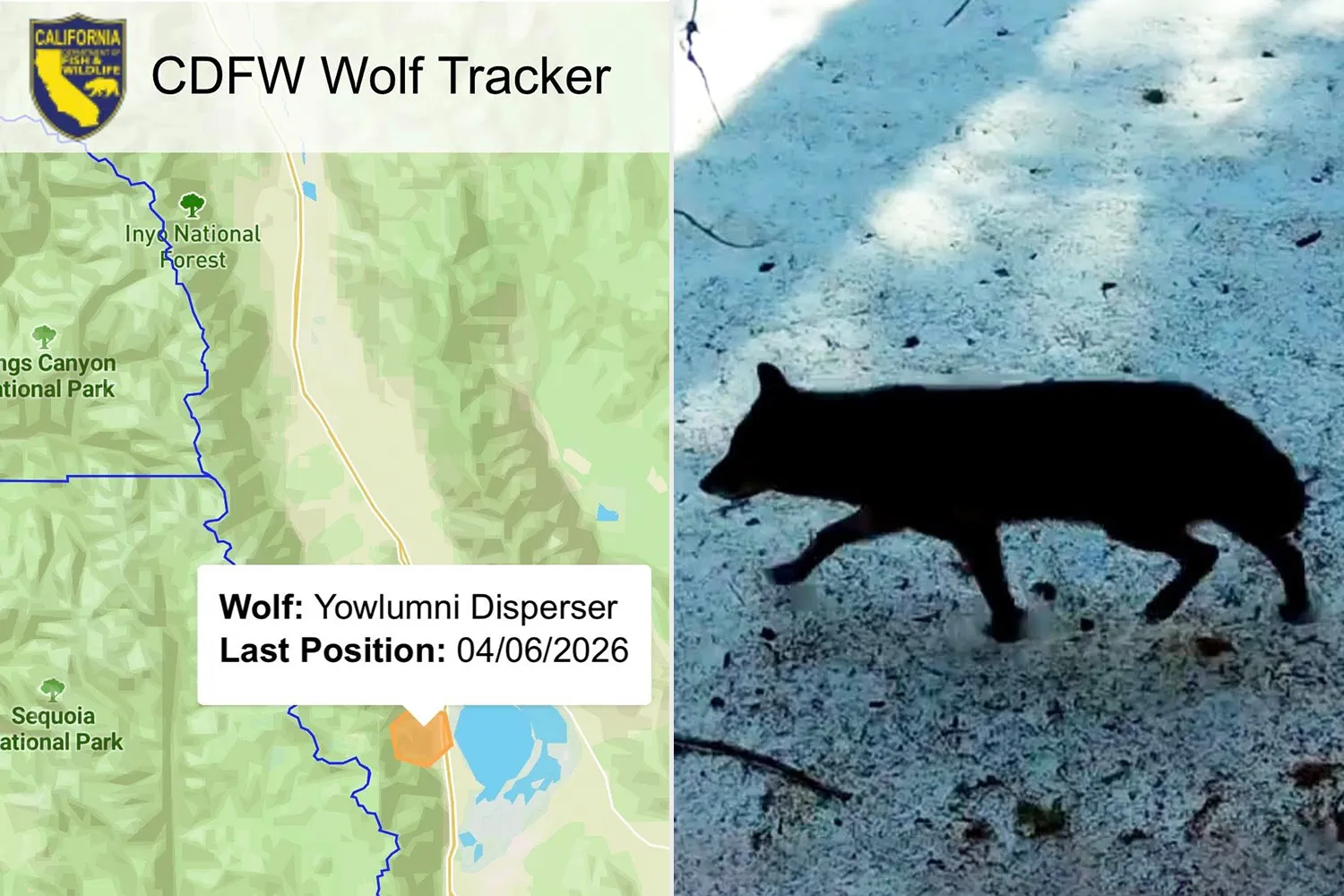
The park has announced plans to monitor the wolf using trail cameras and tracking devices to better understand its movements and ensure both public safety and the animal’s well-being.
Local ecologists note that the return of apex predators like gray wolves can have profound ecological benefits. Wolves help regulate populations of deer and other herbivores, promoting healthier forests and balanced ecosystems. Their presence is often an indicator of environmental recovery and biodiversity.
For the public, the sighting serves as a reminder of the importance of wildlife conservation and the remarkable resilience of nature. It has sparked excitement, hope, and renewed interest in California’s wild places, demonstrating that even after more than a century, some species can make a triumphant return.
Park visitors are encouraged to report any future sightings and respect wildlife guidelines, allowing the gray wolf to continue its historic comeback in Sequoia National Park.