Archaeologists Found the Long-Lost Tomb of Egypt’s Missing Pharaoh
Archaeologists Found the Long-Lost Tomb of Egypt’s Missing Pharaoh
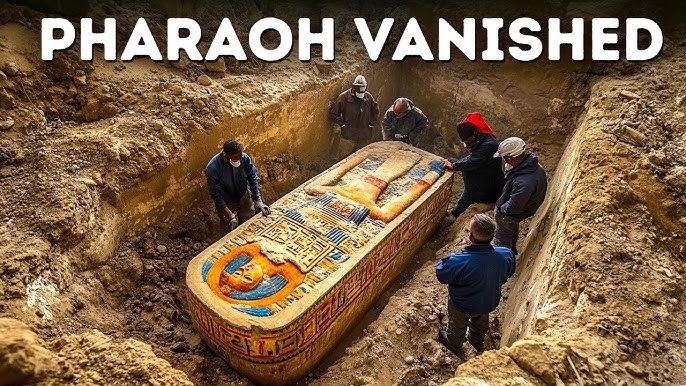
A recent archaeological excavation in Egypt has sparked global attention after reports suggested the possible discovery of a long-lost royal tomb tied to a previously unidentified or “missing” pharaoh.
The find, located near major ancient burial grounds such as the Valley of the Kings, has raised hopes that researchers may be closer to solving one of Egyptology’s enduring mysteries: the burial sites of rulers who were either poorly documented or erased from historical records.
What Was Discovered
According to preliminary archaeological assessments, the site contains:
- A sealed or partially collapsed burial chamber
- Fragmentary inscriptions and hieroglyphic markings
- Funerary objects linked to royal or elite status
- Architectural features consistent with New Kingdom tomb construction
These elements suggest the site could belong to a high-ranking individual, possibly a lesser-known pharaoh or royal family member.
Why Some Pharaohs Are “Missing”
Egyptian history contains several rulers whose tombs remain undiscovered or uncertain. This can happen for several reasons:
- Tombs were looted in antiquity
- Burial sites were deliberately hidden for protection
- Political shifts led to erasure of names from records
- Some reigns were brief or poorly documented
As a result, identifying a newly found tomb requires careful analysis rather than immediate conclusions.
How Archaeologists Confirm Identity
Even if a royal burial chamber is discovered, confirming the identity of its occupant involves multiple steps:
- Reading intact inscriptions and cartouches
- Analyzing burial artifacts and style
- Comparing architectural design with known royal tombs
- Carbon dating organic materials
- In rare cases, DNA or skeletal analysis
Without clear inscriptions naming a pharaoh, attribution can remain uncertain for years.
Caution Against Sensational Claims
Despite dramatic headlines suggesting a confirmed “missing pharaoh” discovery, archaeologists emphasize that such claims are often preliminary. Many excavations initially thought to be royal tombs later turn out to belong to nobles, officials, or secondary burials.
The process of verification in Egyptology is slow, careful, and highly evidence-based.
Why the Discovery Matters
Even if the tomb does not belong to a pharaoh, the site still holds major historical importance. It can reveal:
- Burial customs of ancient Egypt
- Artistic and architectural styles
- Trade materials used in funerary practices
- Political or religious influences of the period
A Mystery Still Unfolding
For now, the identity of the tomb’s occupant remains unconfirmed. Whether it belongs to a forgotten pharaoh or another elite figure, the discovery adds another piece to Egypt’s complex and layered history.
As excavation continues, researchers hope the site will provide clearer answers—but until then, it remains one of the latest intriguing mysteries emerging from the sands of ancient Egypt.