Sylvester Stallone: The Hero Who Inspired Ordinary Fighters Without Superpowers
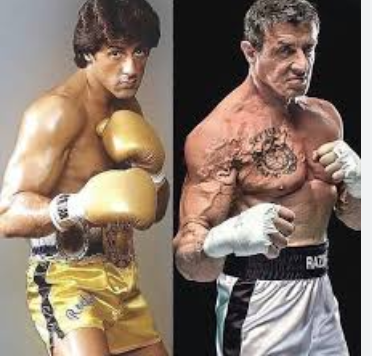
Sylvester Stallone Didn’t Need Superheroes—He Became the Hero for Ordinary Fighters
In an era dominated by superheroes, billion-dollar franchises, and larger-than-life characters, Sylvester Stallone created a different kind of legend. He didn’t wear a cape, possess supernatural powers, or save the world with futuristic technology. Instead, he became a symbol of perseverance, resilience, and determination—qualities that resonated deeply with millions of ordinary people.
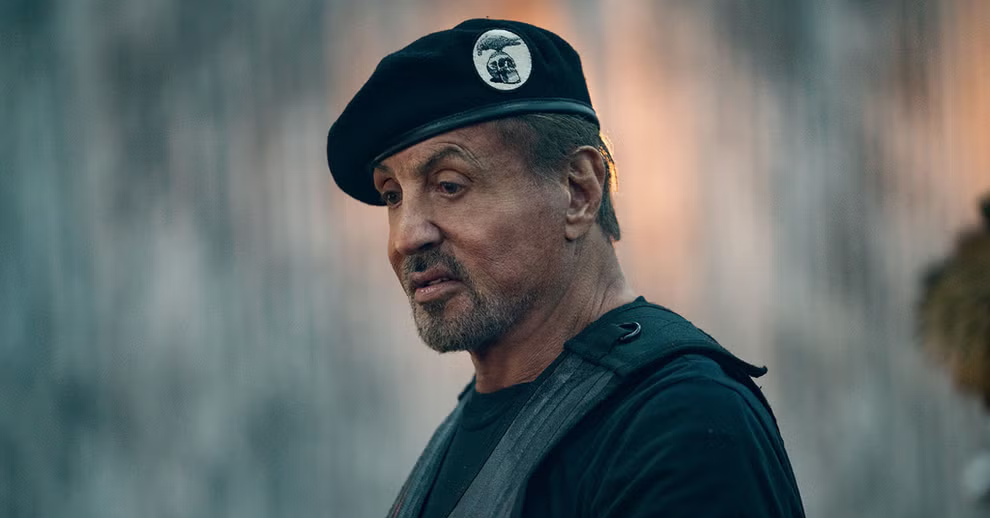
At 79 years old, Stallone’s legacy remains one of Hollywood’s most inspiring success stories. Through unforgettable characters like Rocky Balboa and John Rambo, he showed audiences that true heroism isn’t about being invincible. It’s about getting back up every time life knocks you down.
A Life Filled With Challenges
Born Sylvester Gardenzio Stallone on July 6, 1946, in New York City, his journey to stardom was anything but easy. Complications during birth caused partial facial paralysis, giving him the distinctive speech and facial features that would later become part of his identity.
His childhood was marked by instability, financial struggles, and personal hardships. As a young actor trying to break into Hollywood during the 1970s, Stallone faced repeated rejection and lived in near poverty. Yet despite the obstacles, he refused to abandon his dream.
That determination would eventually change his life—and Hollywood history.
The Birth of Rocky Balboa
Everything changed when Stallone wrote the screenplay for Rocky in 1976. Inspired by the underdog spirit, he created Rocky Balboa, a struggling boxer who gets one unlikely chance to fight for the heavyweight championship.
The script attracted immediate interest from producers. However, Stallone insisted on playing the lead role himself, even turning down lucrative offers that would have excluded him from starring in the film.
It was a gamble that paid off.
Made on a modest budget, Rocky captured something rare and authentic. Rocky wasn’t a superhero. He was an ordinary man working a dead-end job, trying to build a better future while navigating life’s disappointments. His struggles felt real because they reflected the experiences of countless viewers.
The film became a global phenomenon, winning the Academy Award for Best Picture and transforming Stallone into an international star.
Why Rocky Connected With Millions
What made Rocky unforgettable wasn’t his ability to win fights. It was his willingness to endure them.
The character represented anyone who had ever faced long odds, experienced failure, or chased a dream that seemed impossible. The famous training montages weren’t just about physical preparation—they symbolized dedication, discipline, and self-belief.
Audiences saw themselves in Rocky because he wasn’t perfect. He doubted himself. He made mistakes. He suffered setbacks. Yet he kept moving forward.
That message continues to resonate nearly five decades later.
More Than Just an Action Star
While Rocky became his defining role, Stallone expanded his legacy through another iconic character: John Rambo.
Unlike many action heroes of the era, Rambo wasn’t portrayed as an unstoppable machine. Beneath the action and combat sequences was a deeply wounded veteran struggling with trauma, isolation, and the emotional scars of war.
Through Rambo, Stallone explored themes of survival, sacrifice, and personal redemption. Once again, he presented audiences with a hero whose greatest battles often took place within himself.
Passing the Torch Through Creed
One of the most powerful chapters in Stallone’s career came with Creed (2015) and its sequels.
Rather than returning as the central hero, Stallone allowed Rocky to evolve into a mentor. The aging fighter guided a new generation while confronting his own challenges, including illness, loss, and the realities of growing older.
This transition reflected a deeper truth about heroism: sometimes greatness is measured not by personal victories, but by helping others achieve theirs.
The role earned Stallone widespread acclaim and introduced Rocky’s enduring message to a new audience.
A Fighter On and Off Screen
Stallone’s influence extends beyond the characters he portrayed.
Throughout his career, he experienced dramatic highs and painful lows. He faced critical setbacks, career slumps, personal tragedies, and intense public scrutiny. Yet each time, he found a way to reinvent himself and continue moving forward.
As a writer, director, producer, and actor, he maintained creative control over much of his work, ensuring that his stories remained authentic and grounded in the values that defined his career.
His journey mirrors the lessons taught by his most famous characters: success is rarely about talent alone. It is often about persistence.
The Legacy of an Everyday Hero
Sylvester Stallone never needed superpowers to become a hero.
His characters inspired audiences because they reflected real human struggles—fear, failure, loss, determination, and hope. They reminded us that courage isn’t the absence of hardship; it’s the willingness to keep going despite it.
In a cinematic landscape filled with gods, mutants, and superheroes, Stallone built an enduring legacy by championing ordinary people who refuse to quit.
His message remains timeless: greatness doesn’t come from being unbeatable. It comes from standing up one more time than you’ve been knocked down.
And that is why, for generations of dreamers and fighters around the world, Sylvester Stallone will always be a hero.