Sylvester Stallone Didn’t Retire—He Simply Moved the Fight to New Territory
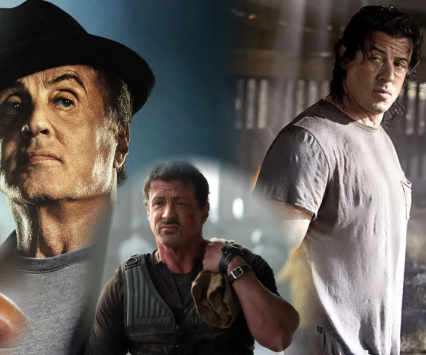
Sylvester Stallone Didn’t Retire—He Simply Moved the Fight to New Territory
For most Hollywood legends, retirement marks the closing chapter of an extraordinary career. For Sylvester Stallone, however, it has become an opportunity to reinvent himself once again.
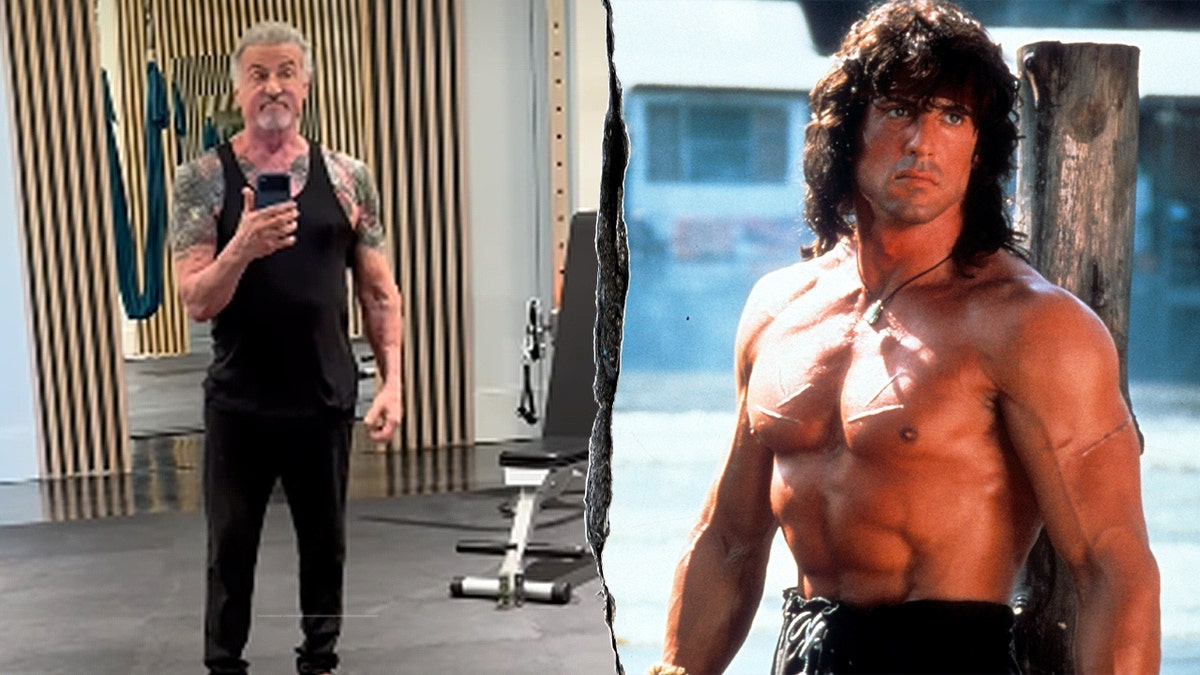
The actor who inspired generations through Rocky and Rambo never viewed stepping away from the spotlight as an option. Instead, he has embraced a new phase of his life and career, proving that true champions do not stop fighting—they simply choose new battles.
From Action Hero to Storytelling Veteran
Stallone built his reputation as one of cinema’s greatest action stars. His iconic performances as Rocky Balboa and John Rambo transformed him into a global symbol of resilience, determination, and perseverance.
But as the years passed, Stallone recognized that longevity required evolution.
Rather than relying solely on physical action roles, he began exploring deeper, more emotionally complex characters. This transition allowed audiences to see another side of the actor—one shaped by experience, personal hardship, and hard-earned wisdom.
His return in Rocky Balboa (2006) demonstrated that aging could be embraced rather than ignored. The film resonated with audiences because it reflected universal themes of purpose, regret, and the desire to keep moving forward.
Passing the Torch Through Creed
One of Stallone’s most significant achievements in recent years has been his role in the Creed franchise.
Instead of holding onto the spotlight, he chose to mentor a new generation through the character of Rocky Balboa. His chemistry with Michael B. Jordan helped revitalize the beloved franchise while introducing it to younger audiences.
The decision reflected Stallone’s willingness to evolve. Rather than repeating past successes, he became a bridge between generations, showing that legacy is not about remaining at the center of attention—it is about helping others succeed.
His acclaimed performance in Creed earned widespread praise and reminded critics and fans alike of his remarkable acting abilities.
Conquering New Ground with Tulsa King
If Rocky represented the underdog fighter and Rambo embodied the battle-scarred warrior, Tulsa King introduced audiences to a completely different version of Stallone.
As Dwight Manfredi, a veteran mobster rebuilding his life after years behind bars, Stallone delivers a performance that combines toughness, humor, and emotional depth.
The role highlights a different kind of strength. Instead of relying on physical dominance, Dwight succeeds through experience, patience, and strategic thinking.
Beyond acting, Stallone has taken on significant creative responsibilities behind the scenes, helping shape projects as a producer and storyteller. This expanded role demonstrates how he continues to influence the entertainment industry far beyond what appears on screen.
Turning Life’s Challenges into Strength
Part of what makes Stallone’s evolution so compelling is that it reflects his real-life journey.
Decades of demanding stunt work have left him with numerous injuries and surgeries. He has also faced deeply personal tragedies, including the loss of his son, Sage Stallone.
Rather than allowing these experiences to define him negatively, he has incorporated them into his work. The result is a level of authenticity that resonates strongly with audiences.
His performances today carry emotional weight that comes from lived experience, giving his characters a depth that younger actors often spend years trying to achieve.
Building a Legacy Beyond Hollywood
Stallone’s new territory extends beyond film and television.
Family remains a central part of his life, as does his passion for painting and creative expression. Through social media and public appearances, he regularly shares motivational messages that encourage fans to remain focused, disciplined, and optimistic.
His influence now reaches beyond entertainment. He has become an example of how individuals can continue growing, learning, and creating regardless of age.
For many fans, that message may be even more powerful than any role he has played on screen.
Conclusion
Sylvester Stallone never retired because retirement was never the goal. Instead, he chose to adapt, evolve, and explore new opportunities while remaining true to the determination that made him famous.
From mentoring the next generation in Creed to leading a hit television series in Tulsa King, Stallone continues proving that success is not about holding onto the past—it is about finding new ways to move forward.
His story serves as a reminder that every stage of life offers new challenges and possibilities. The battlefield may change, but the fight itself never has.
And for Sylvester Stallone, that fight continues stronger than ever.