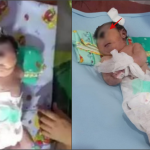
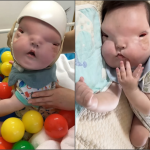
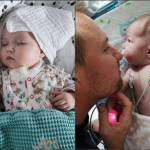
‘WE WERE TOLD SHE WAS PERFECT’: PARENTS’ 𝚂𝙷𝙾𝙲𝙺 AFTER 4KG NEWBORN DIAGNOSED WITH EXTREMELY RARE SKULL DISORDER THAT AFFECTS JUST ONE IN 200,000 BABIES
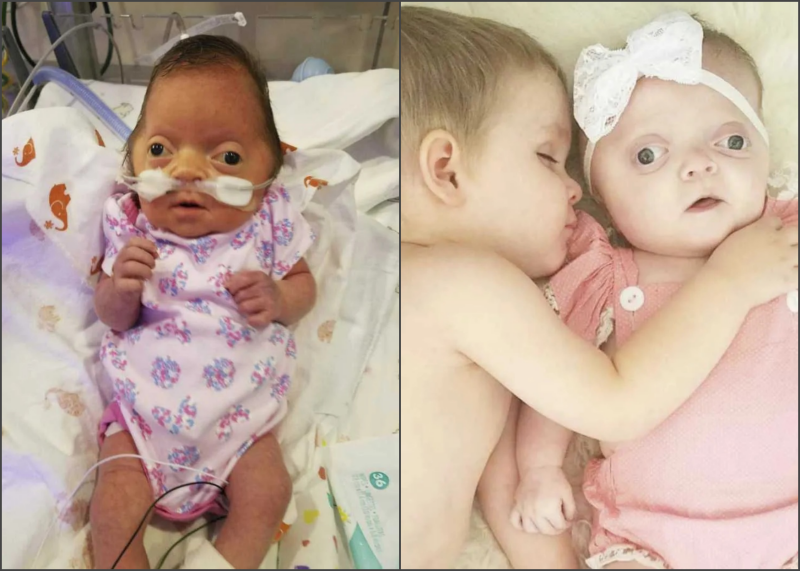
Ray and Amber Cosgrove spent months preparing to welcome what doctors believed would be a healthy baby girl.
Throughout the pregnancy, scans showed nothing unusual, and the couple looked forward to meeting their daughter, Halle.
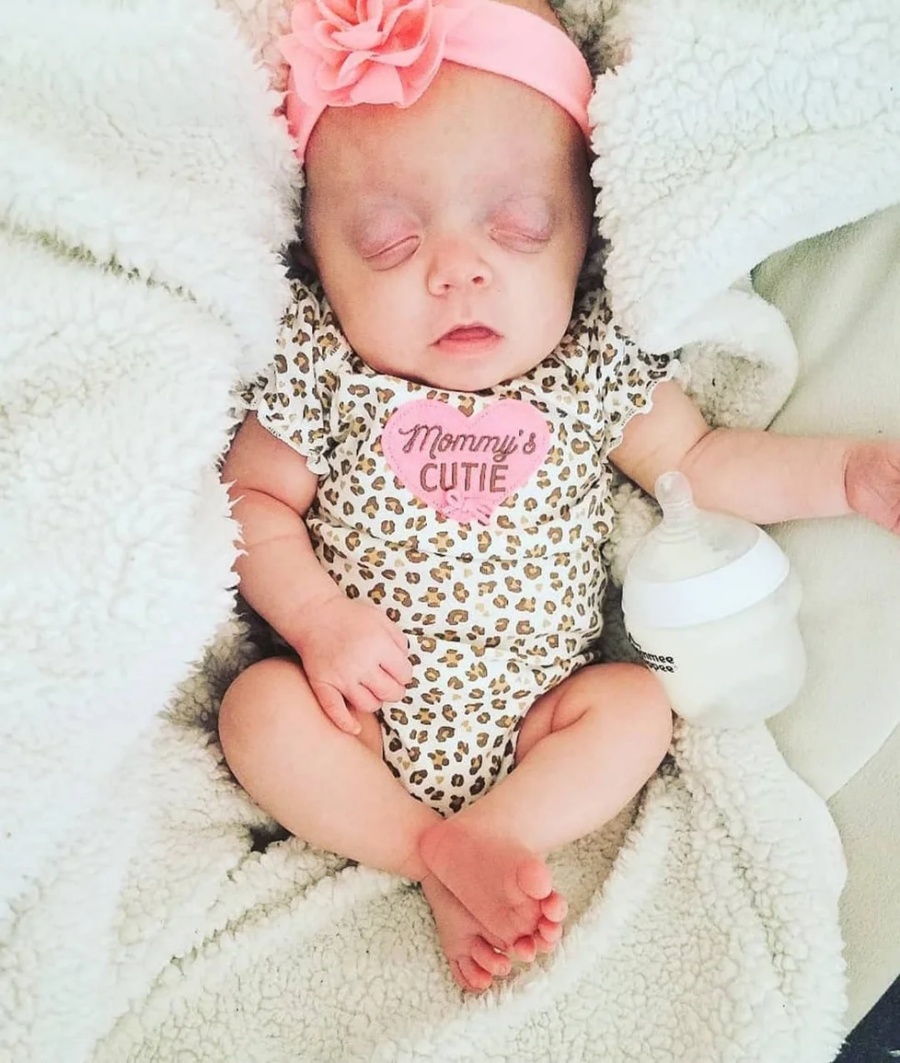
Because Amber had previously undergone a cesarean section and later developed complete placenta previa, doctors decided to deliver Halle at 36 weeks and 6 days. Despite arriving slightly early, she weighed more than 4kg — a remarkable size for a baby born before her due date.
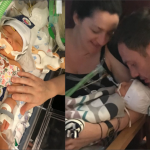
Yet as soon as she entered the world, nurses quickly placed a hat over her head and rushed her to the NICU.
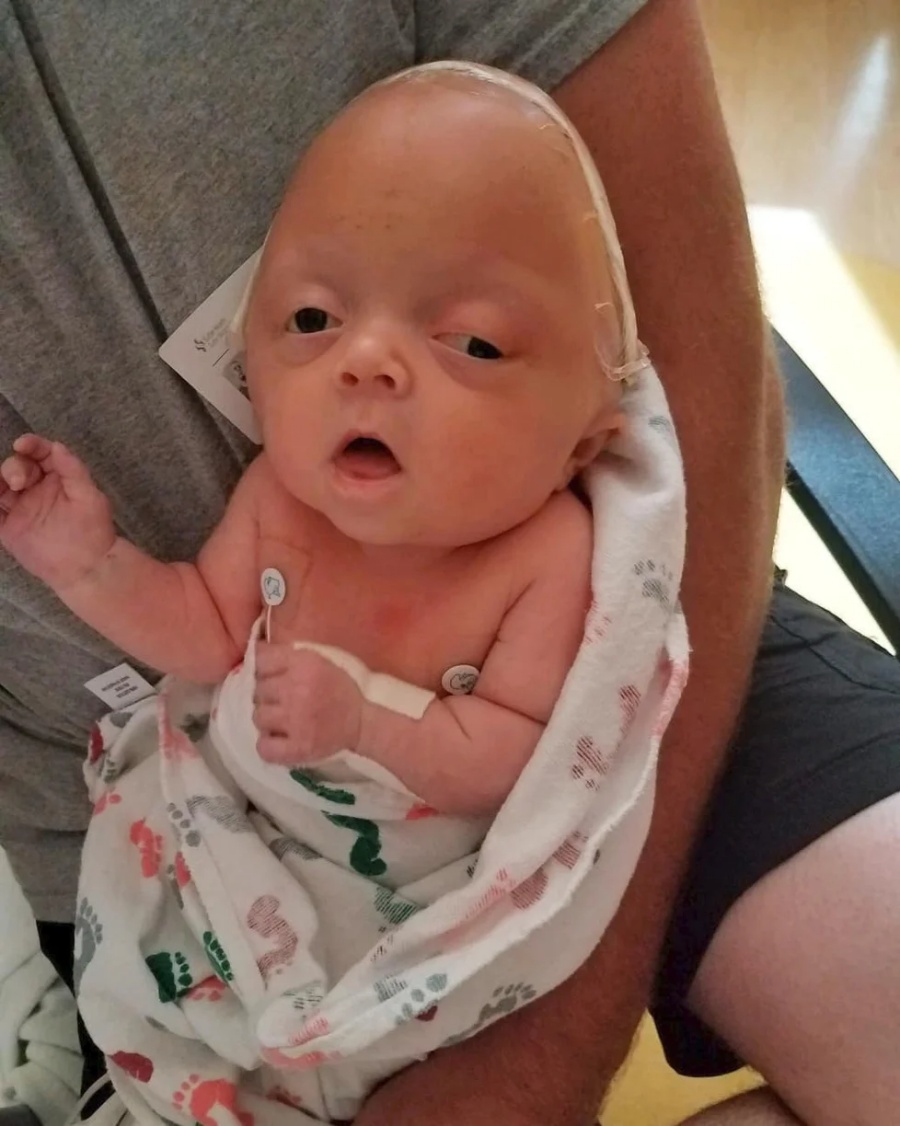
“It was then that we knew something wasn’t right,” her family recalled.
Amber was told she would have to wait up to 12 hours before seeing her newborn daughter while recovering from surgery. Determined not to wait that long, she began trying to regain movement in her legs as quickly as possible.
Just four hours later, she was finally wheeled into the NICU.
There, she and her husband received devastating news.
Their daughter had been diagnosed with Pfeiffer Syndrome Type 2, an extremely rare genetic condition caused by a spontaneous gene mutation rather than anything inherited from her parents.
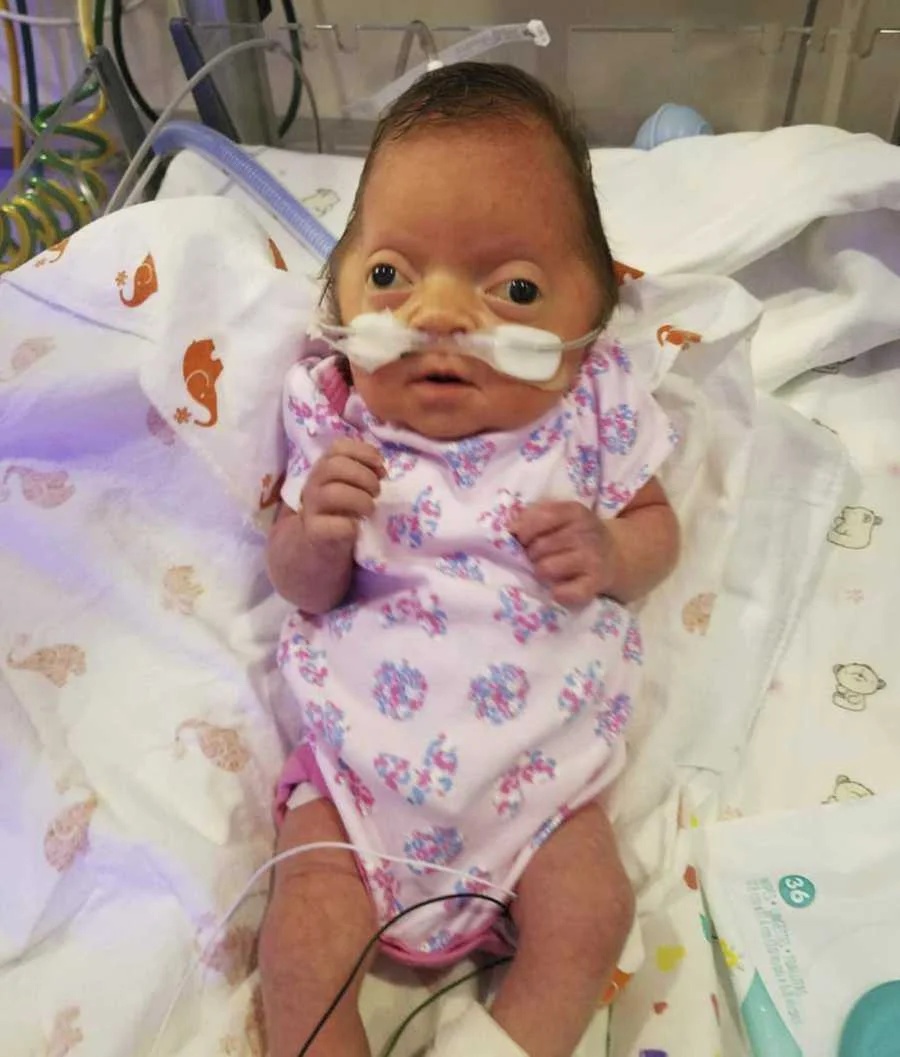
The disorder causes certain bones in the skull to fuse too early, preventing the head from developing normally. Halle was born with a rare “cloverleaf skull” deformity, a condition estimated to affect only around one in every 200,000 babies.
The condition can lead to significant pressure on the brain and may affect the shape of the head, face, hands, and feet. Children with Pfeiffer Syndrome often require multiple surgeries throughout their lives to manage complications and support healthy development.
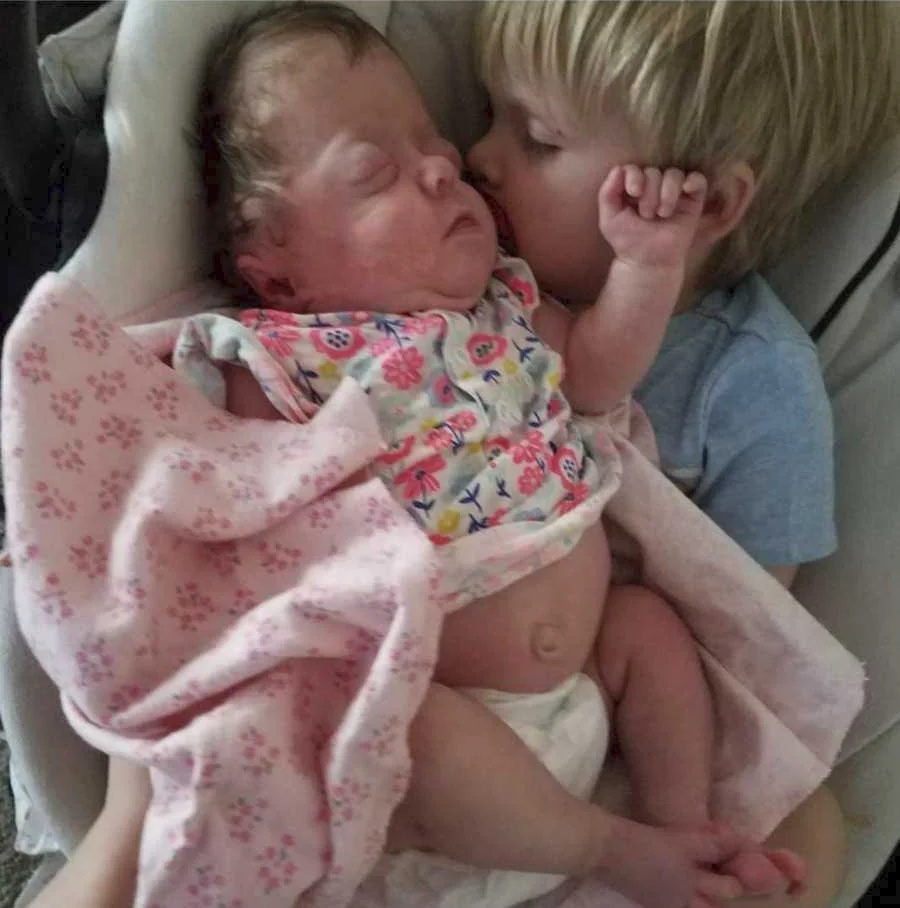
For Halle, the medical journey began almost immediately.
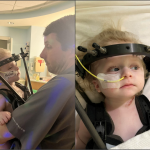
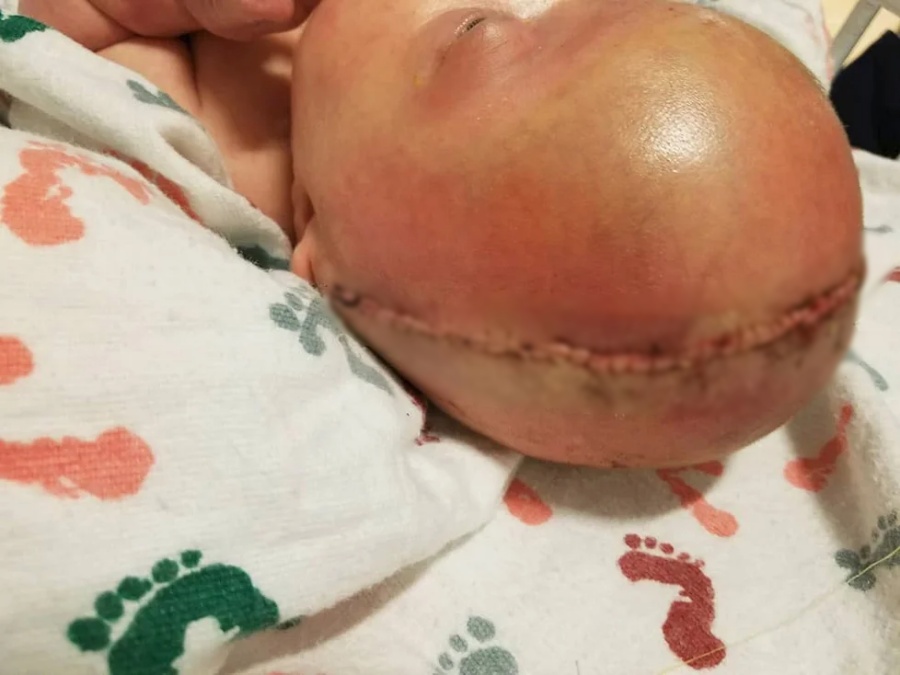
At just weeks old, she underwent her first major skull surgery. Surgeons temporarily removed large portions of her skull to relieve pressure on her growing brain, with doctors expecting the bone to gradually regenerate over time.
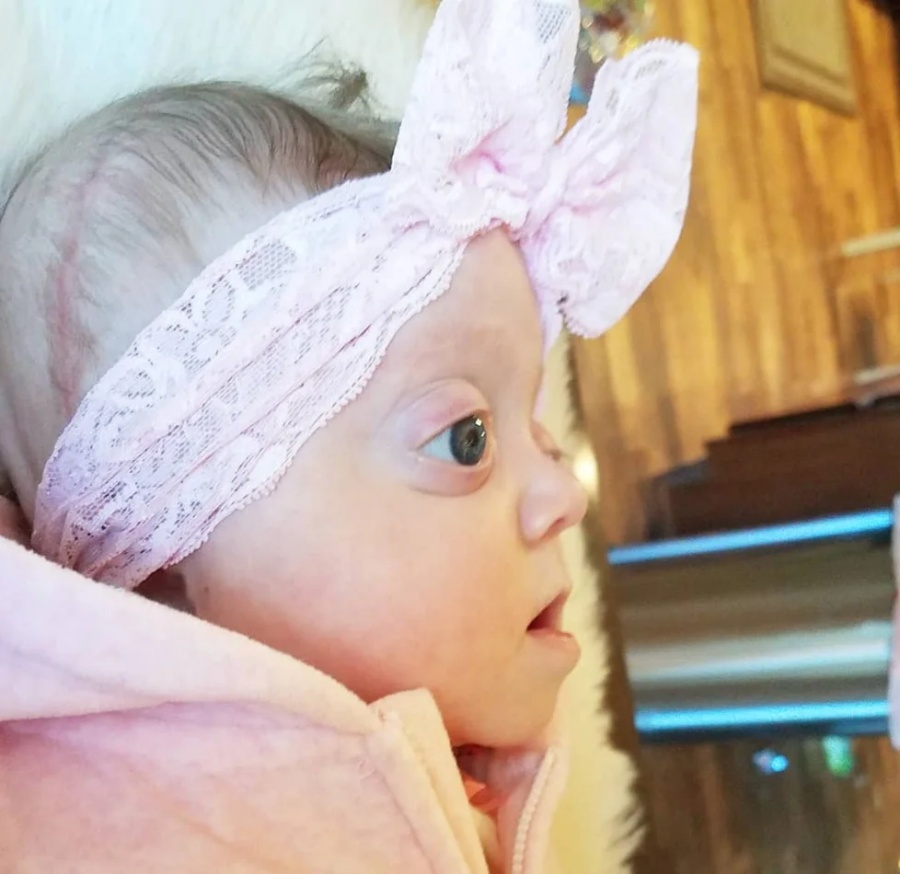
Since then, she has faced a series of medical procedures, hospital visits, and specialist appointments.
Now, the courageous little girl is preparing for yet another major operation.
Doctors recently scheduled Halle for a Chiari decompression procedure after discovering that brain tissue was extending into her spinal canal — a condition that can create serious complications if left untreated.
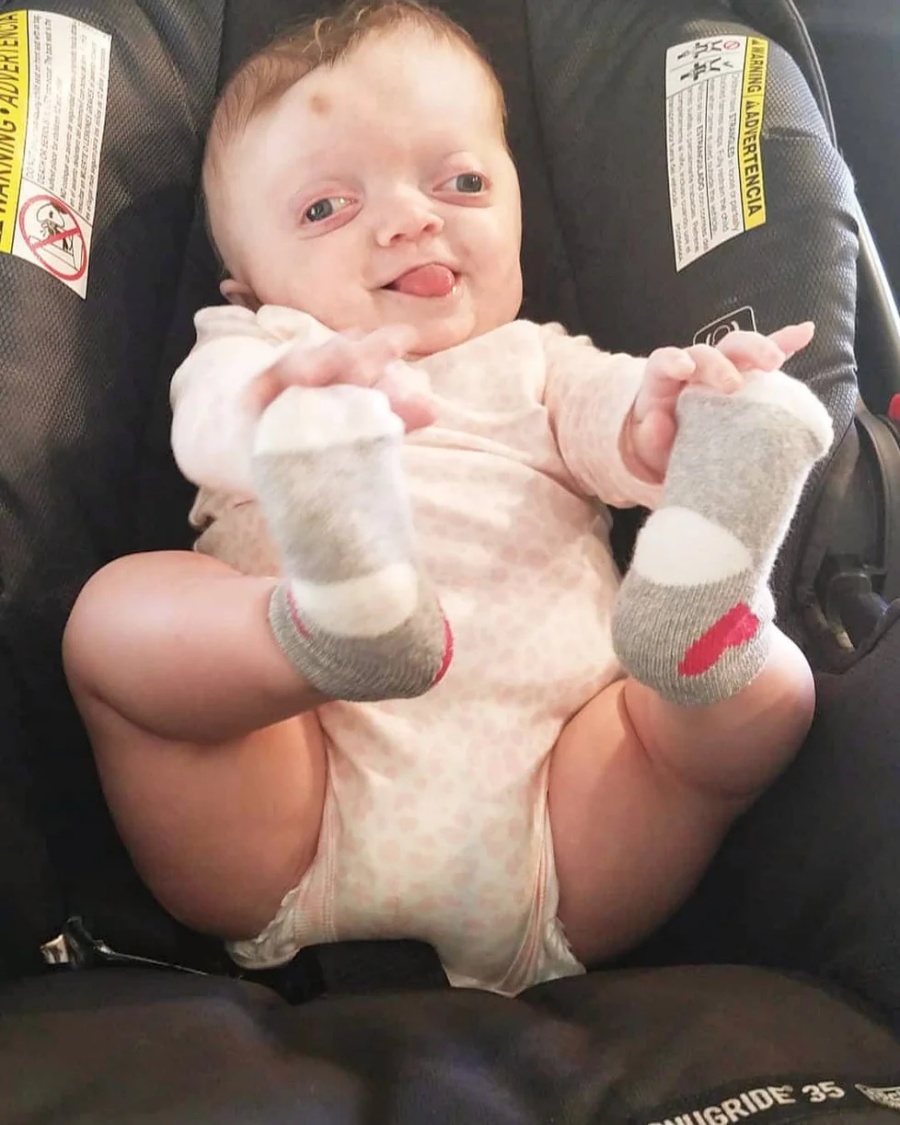
During the surgery, specialists will remove a section of the back of her skull in hopes of relieving pressure on her brain and improving her breathing.
“She’s one very tough little girl,” her family said. “Every surgery is frightening, but Halle continues to amaze us with her strength.”
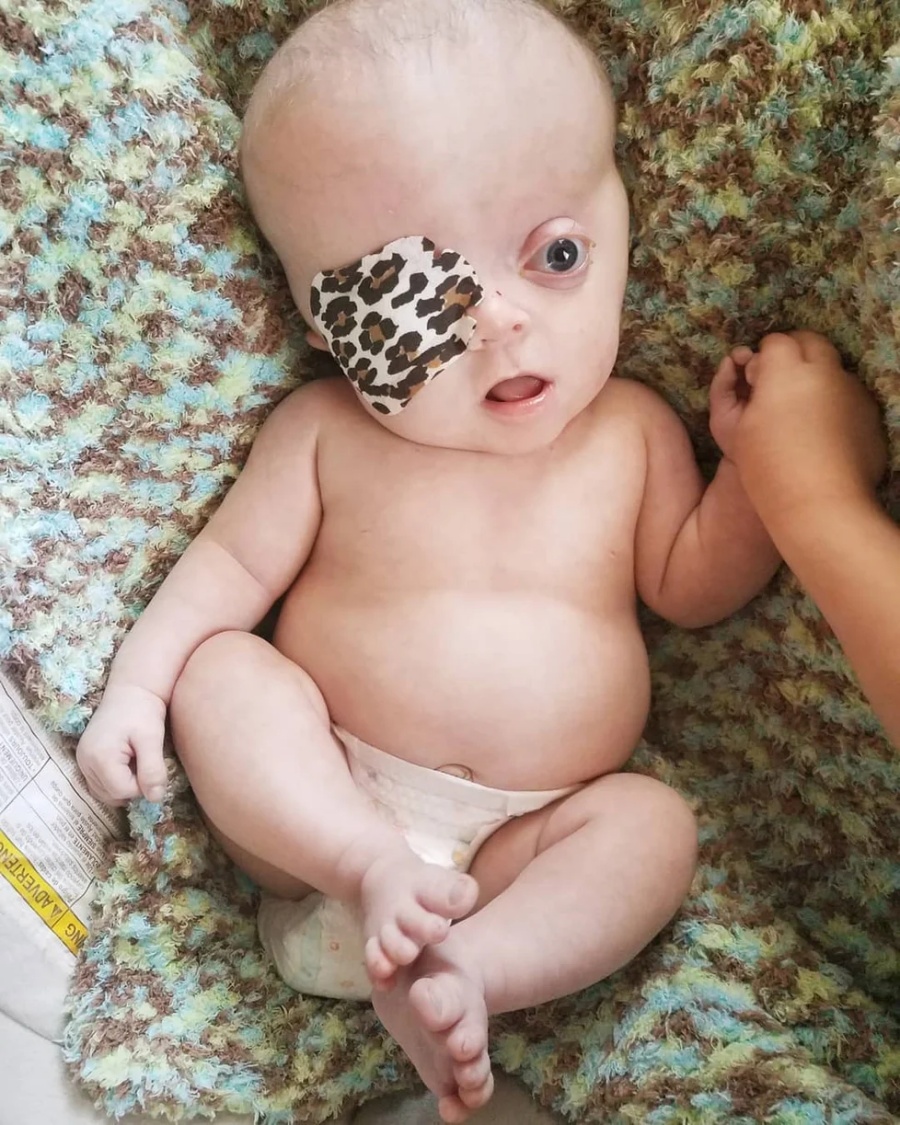
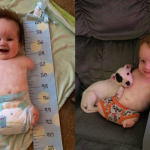
Despite spending much of her young life in hospitals and operating rooms, those closest to her say Halle remains a bright and determined child whose resilience inspires everyone she meets.
“We don’t know exactly what the future holds,” her parents shared. “But we do know that Halle has already overcome more than most people face in a lifetime. Every smile, every milestone, and every step forward feels like a victory.”