The Polish Woman Who Claimed to Be Madeleine McCann: Convicted After Years of Harassing the Missing Girl’s Family
The Polish Woman Who Claimed to Be Madeleine McCann: Convicted After Years of Harassing the Missing Girl’s Family
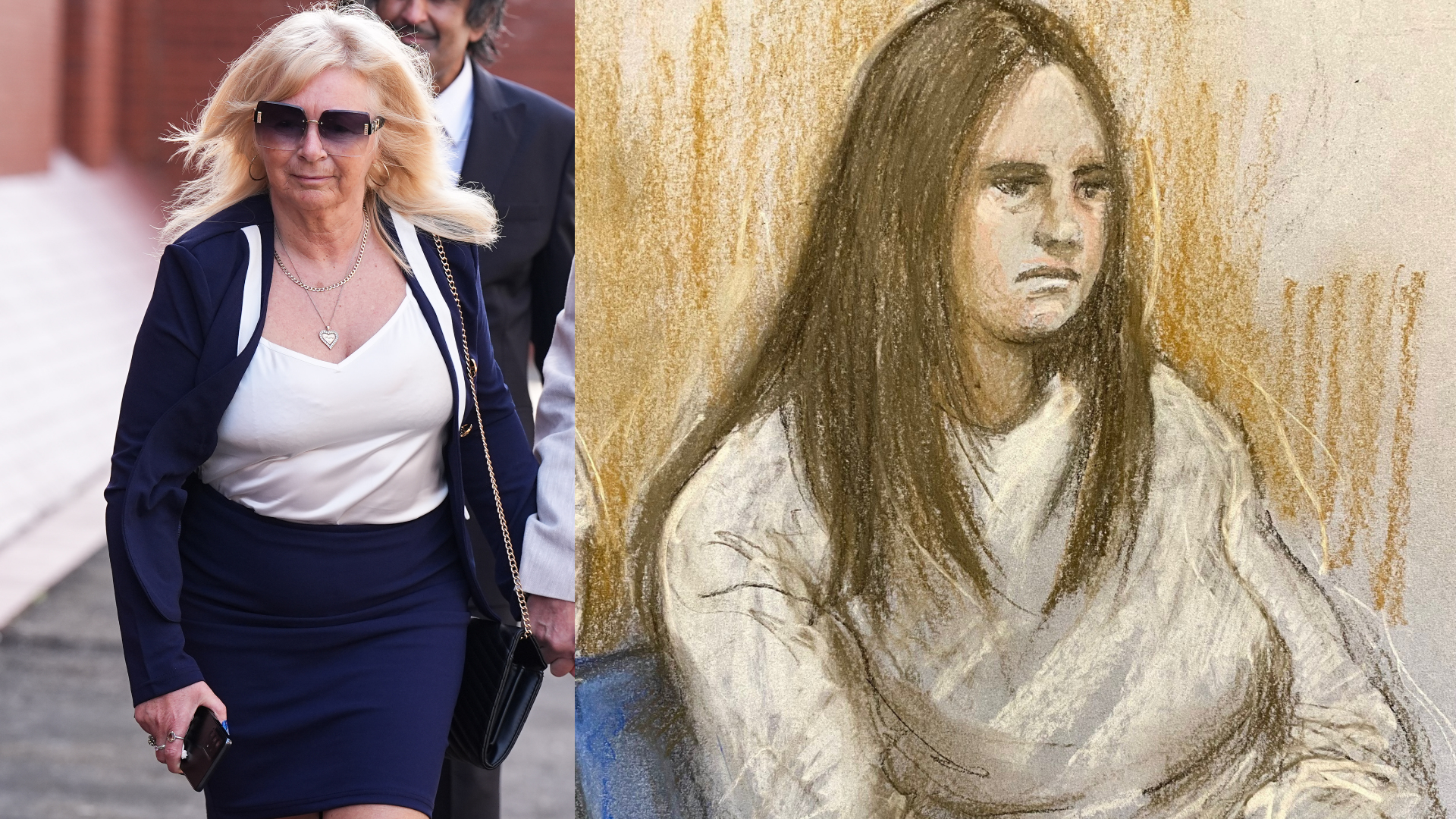
For nearly three years, a young Polish woman insisted she was one of the world’s most famous missing children. Now, after a high-profile trial, she has been found guilty of harassing the family of Madeleine McCann — but the story is more complicated than it first appears.
Julia Wandelt, 24, from Lubin in southwest Poland, was convicted on 7 November 2025 at Leicester Crown Court of harassment against Kate and Gerry McCann and their children. The jury unanimously cleared her of the more serious charge of stalking. She had already spent months in custody since her arrest in February 2025, effectively serving the maximum six-month sentence for harassment. She now faces deportation back to Poland and a restraining order.
A Campaign That Began in 2022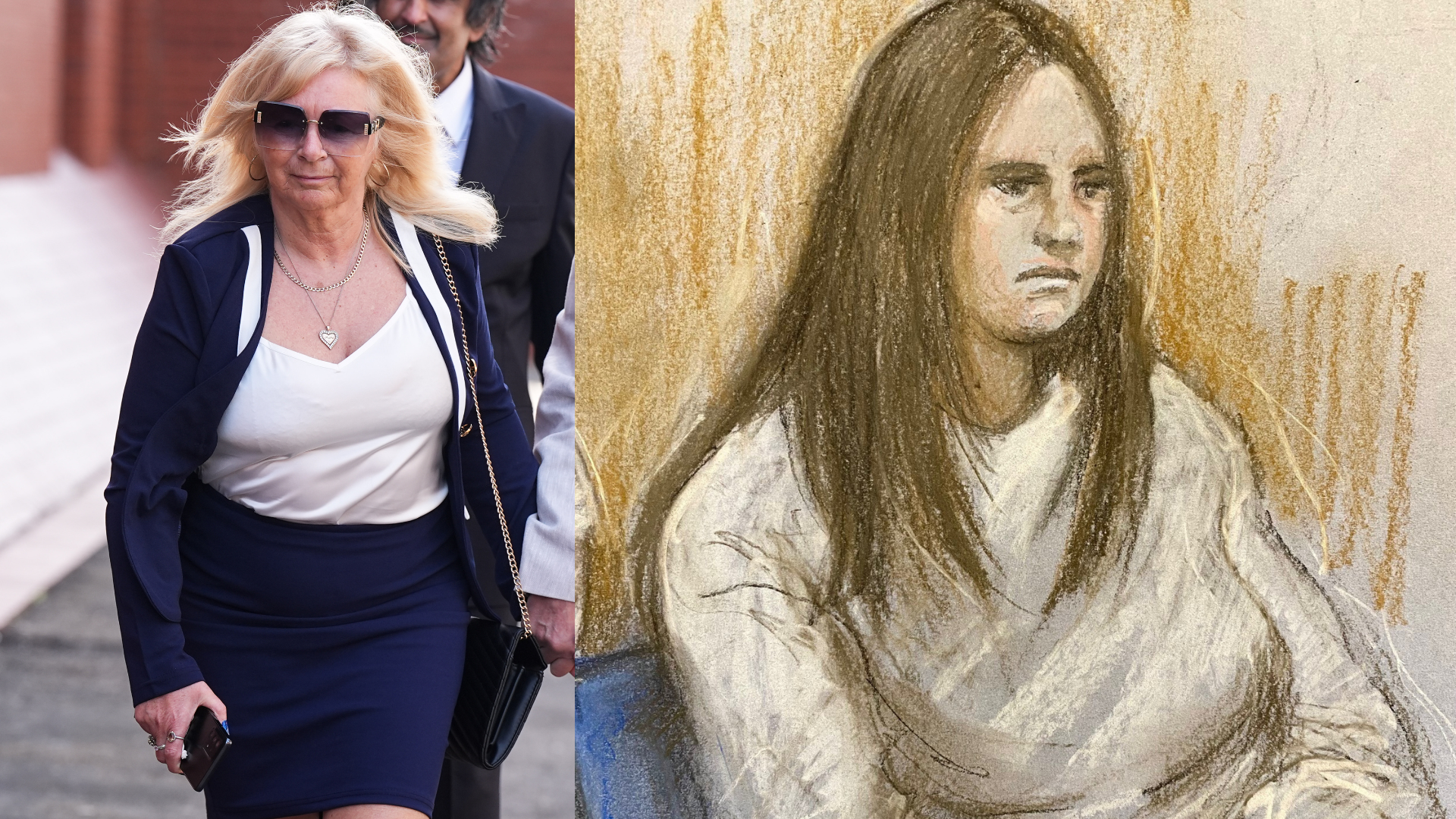
Wandelt first began publicly claiming she was Madeleine McCann in mid-2022. By early 2023, she had gone viral on TikTok and Instagram by posting side-by-side comparisons of her own childhood photos with those of the missing British girl. The posts attracted over a million followers and widespread media attention.
She later appeared on the American talk show Dr. Phil in March 2023, repeating her claims to a national audience. She also claimed at different times to be two other missing children: Inga Gehricke, who disappeared in Germany in 2015, and Acacia Bishop, abducted in the United States in 2003.
Between June 2022 and February 2025, Wandelt repeatedly contacted the McCann family. She sent emails and voicemails, turned up at their home in Rothley, Leicestershire, and banged on the door. She sent direct messages to Madeleine’s younger siblings, Sean and Amelie, and attended a public vigil held in memory of the missing girl. In May 2024, she travelled to the UK again to attend the annual vigil in Rothley, where she approached a priest and handed over an envelope she claimed contained proof of her identity.
DNA Evidence and “Vivid Memories”
The prosecution presented conclusive DNA evidence showing that Wandelt has no biological connection to the McCann family. A sample taken after her arrest “conclusively proved” she is not Madeleine.
Despite this, Wandelt told the court she had vivid childhood memories of living with the McCanns — including playing ring-a-ring-a-roses and feeding young Sean — as well as traumatic memories of being abducted and abused. Even after being shown the DNA results, she said she was still “50-50” about her identity.
Iwona Modliborska, who runs the Polish missing persons charity “Missing Years Ago,” said Wandelt had also contacted her organisation claiming to be a missing child. After reviewing the evidence, Modliborska told her there was no resemblance and urged her to stop, believing she was primarily seeking fame and attention.
The Human Cost to a Family Already in Pain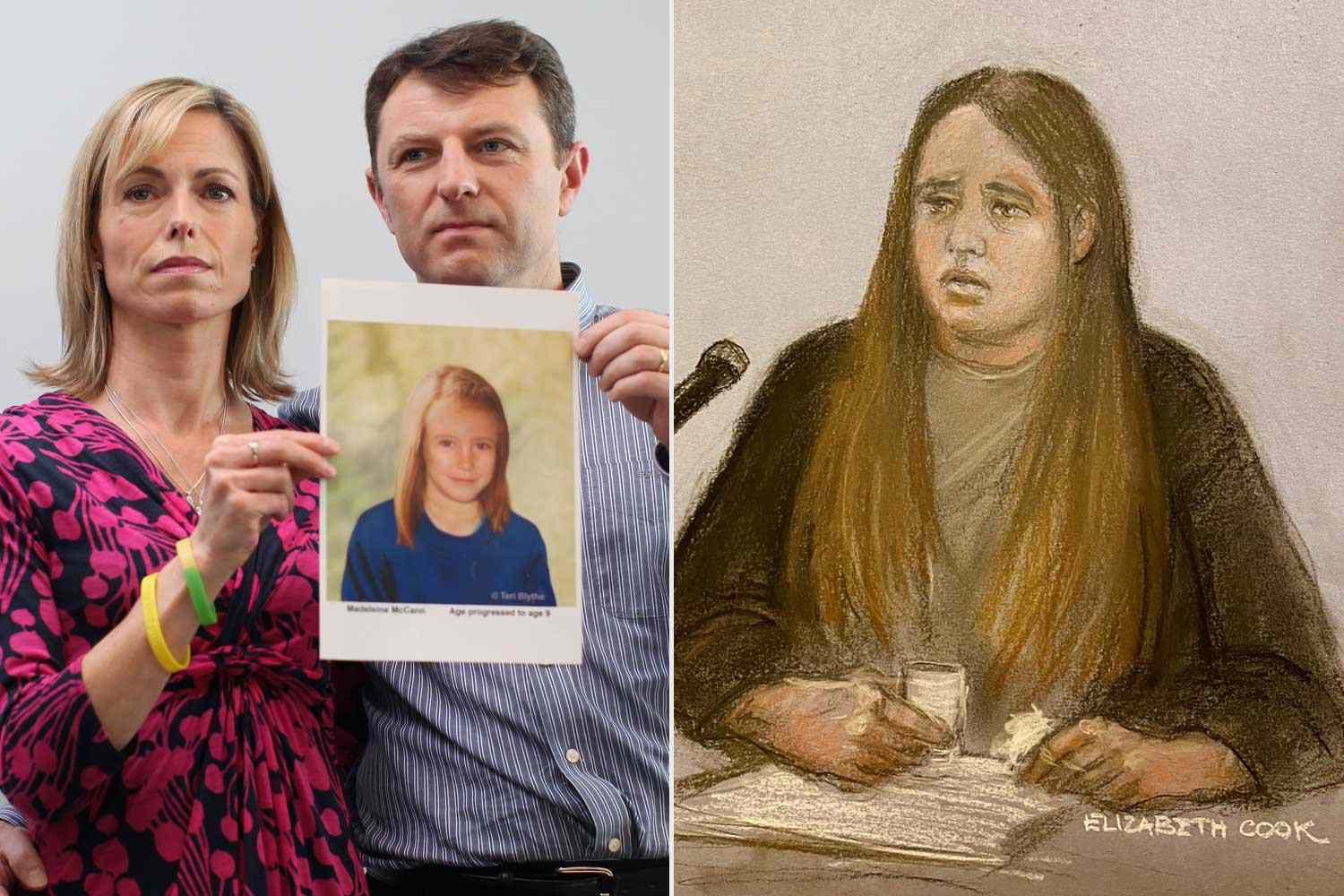
The McCann family has endured nearly two decades of unimaginable suffering since three-year-old Madeleine disappeared from a holiday apartment in Praia da Luz, Portugal, in May 2007. The case remains one of the most high-profile unsolved missing person investigations in the world.
Kate and Gerry McCann have said they “take no pleasure” in the verdict. While the court found Wandelt’s actions amounted to harassment, the family has already faced years of false leads, conspiracy theories, and unwanted attention. Wandelt’s campaign added further distress at a time when they continue to hope for answers about their daughter.
Why Did She Do It?
The court heard that Wandelt had previously made similar claims about other missing children. Charity workers and investigators who spoke to her believed she was driven more by a desire for public attention than by any genuine belief in her story. Whether this stems from deeper psychological issues remains unclear — what is clear is that her actions crossed the line into criminal harassment.
A Strange Chapter Closes — But Madeleine’s Case Remains Open
As of June 2026, this particular chapter has reached its legal conclusion. Julia Wandelt is expected to be deported to Poland. The McCann family can at least be spared further direct contact from her.
Yet the bigger mystery endures. Madeleine McCann is still missing. Her parents and siblings continue to live with the pain of not knowing what happened to her on that night in Portugal almost 19 years ago.
Julia Wandelt’s story is a troubling reminder of how the internet can amplify false claims and how vulnerable people can become fixated on high-profile cases. It also shows the very real human cost when those claims turn into sustained harassment against families who have already suffered enough.
The search for Madeleine continues. For her family, the hope for answers has never faded.