Caitlin Clark Fans Demand Change as Physical Play and Officiating Spark Growing Frustration — Stephanie White Under Pressure
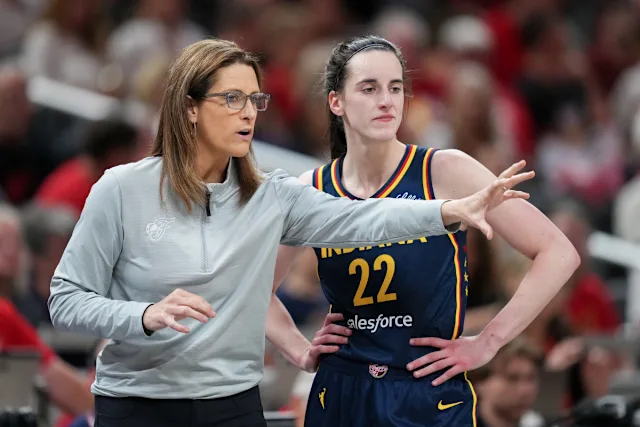
Caitlin Clark Fans Demand Change as Physical Play and Officiating Spark Growing Frustration — Stephanie White Under Pressure
Caitlin Clark has transformed the WNBA since entering the league, bringing record viewership and unprecedented attention to the Indiana Fever. But with that spotlight has come intense scrutiny over how she is being officiated and protected on the court — and now, a growing number of fans are calling for accountability from the coaching staff.
Throughout the season, Clark has faced heavy physical play, frequent contact, and what many believe are inconsistent or overly strict foul calls against her. The 23-year-old superstar has often been seen absorbing hard fouls, getting knocked to the floor, and struggling with foul trouble in key moments. While physical defense is part of basketball, a significant portion of Fever fans believe the level of contact against Clark has crossed the line — and that head coach Stephanie White has not done enough to push back.
Fan Frustration Reaches Boiling Point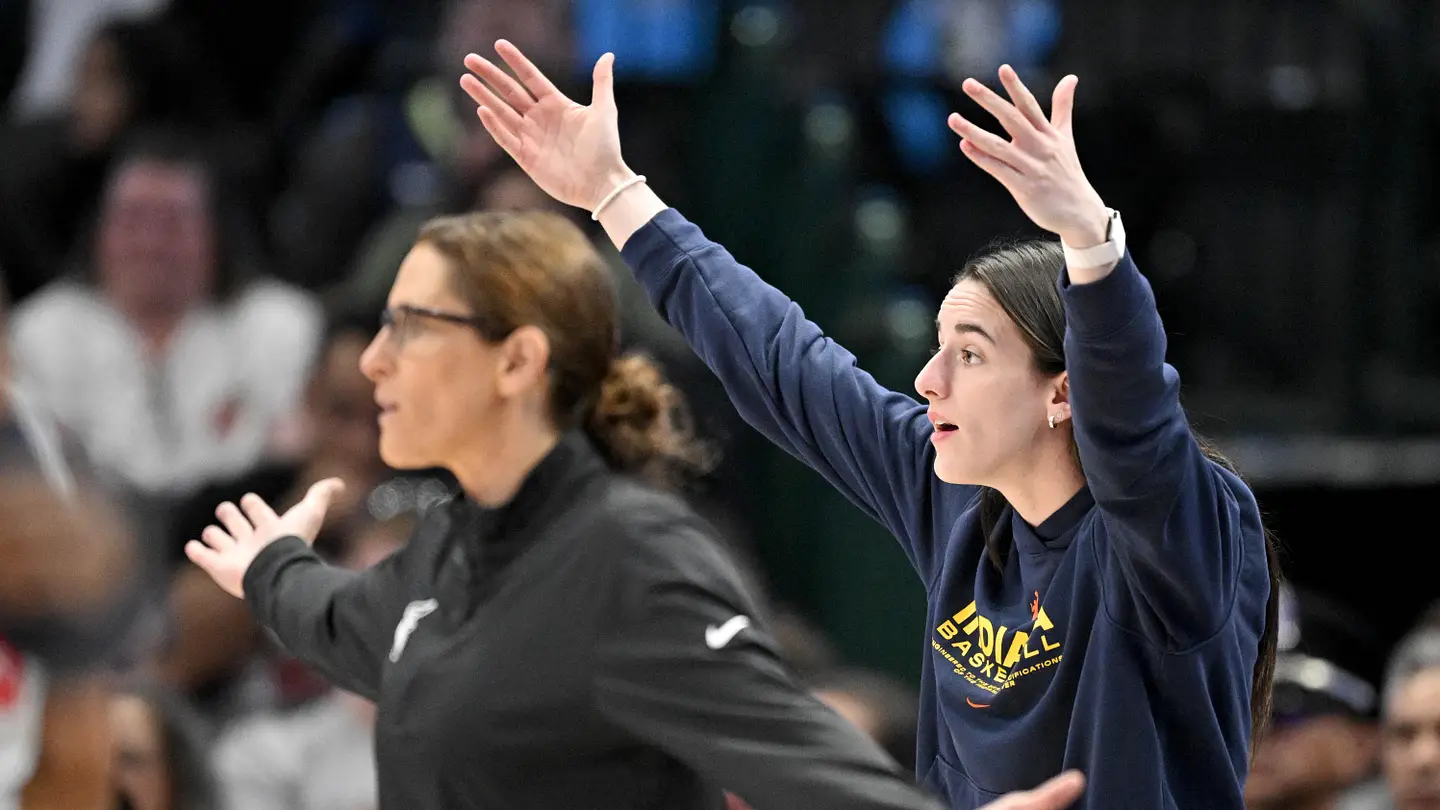
On social media and in fan forums, frustration has been building for weeks. Many supporters argue that Clark is being targeted with excessive physicality that isn’t being properly officiated, putting her at a disadvantage and increasing the risk of injury. They point to several games where Clark absorbed hard hits without receiving the benefit of the whistle, while also being called for fouls on relatively minor contact when she was on offense.
The criticism has increasingly turned toward Coach Stephanie White. Some fans believe White has been too passive in addressing the officiating with referees and the league. They argue that a more vocal, assertive approach from the bench could help protect the team’s franchise player and send a message that such physical treatment won’t be tolerated.
“Fire Stephanie White” has become a recurring sentiment in certain corners of social media, with critics claiming her silence on the issue is hurting Clark’s development and the team’s chances. Others go further, suggesting the coaching staff is failing to adjust strategies to better shield Clark from constant physical punishment.
The Other Side of the Debate
Not everyone agrees with the harsh criticism of White. Defenders of the coach point out that officiating is ultimately out of a coach’s direct control. Complaining too aggressively can result in technical fouls, and there are limits to what a coach can realistically achieve by arguing every call. Some also note that the Fever’s overall performance and roster construction play a role in how opponents defend them.
Additionally, while Clark has faced heavy contact, she has also continued to produce at an elite level, showing resilience under pressure. Supporters of the current coaching staff argue that constant public complaints about officiating can sometimes backfire and paint a team as “whiners.”
What Fans Are Really Asking For
At its core, the current wave of fan anger seems to be about two main things:
- Better protection for Caitlin Clark — whether through stronger coaching pushback, league-wide officiating consistency, or in-game adjustments.
- More exciting, free-flowing basketball — many fans feel the constant fouls and physicality are making games less watchable and are hurting the league’s momentum.
The debate has sparked broader conversations about how the WNBA should handle its biggest stars, the balance between physical defense and player safety, and whether the league’s officiating has kept pace with the increased attention and physicality that has come with Clark’s arrival.
Where Things Stand
As the season progresses, pressure continues to mount on the Indiana Fever organization. While some fans are specifically targeting Coach Stephanie White, others are directing their frustration at the league’s officiating crew and the broader culture around how physical play is being regulated.
Caitlin Clark herself has largely stayed focused on playing, showing professionalism amid the noise. However, the growing chorus of fan discontent suggests that many believe changes — whether in coaching approach, in-game strategy, or league-wide officiating standards — are necessary to protect their star and preserve the excitement she has brought to the WNBA.
Whether the Fever front office and coaching staff will respond with adjustments, or whether this remains a vocal but ultimately limited fan movement, remains to be seen. What is clear is that as long as Clark continues to draw heavy contact without consistent protection, the conversation — and the calls for change — are unlikely to die down.