Viral Madeleine McCann Claim Ends in Courtroom Drama as DNA Evidence Reveals the Truth
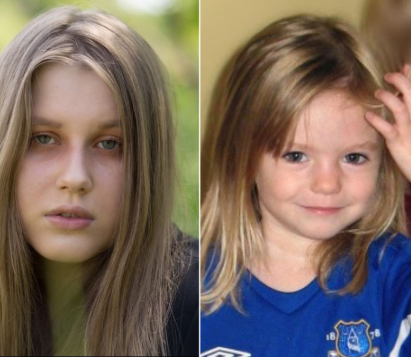
Viral Madeleine McCann Claim Ends in Courtroom Drama as DNA Evidence Reveals the Truth
For months, social media users around the world followed a story that appeared to offer a dramatic twist in one of the most famous missing-person cases in history.

A young woman claimed she believed she could be Madeleine McCann, the British girl who disappeared during a family holiday in Portugal in 2007. The extraordinary allegation quickly spread online, attracting millions of views and generating intense public interest.
But years later, the story has reached a very different conclusion.
A Claim That Captured Global Attention
When Julia Wandelt first began sharing her suspicions online, many internet users were fascinated by the possibility that a decades-old mystery could finally be solved.
Photos, videos, interviews, and social media posts fueled widespread speculation. Some supporters argued that similarities in appearance justified further investigation, while critics urged caution and called for scientific verification.
As discussions intensified, the story became one of the most talked-about developments connected to the Madeleine McCann case in recent years.
DNA Testing Changed Everything
The speculation ultimately collided with forensic evidence.
Authorities later confirmed through DNA testing that Julia Wandelt was not Madeleine McCann. Investigators found no biological connection between Wandelt and Madeleine’s parents, Kate and Gerry McCann.
The scientific findings effectively dismantled the theory that had captivated online audiences and reaffirmed that the long-running mystery remains unsolved.
For many observers, the results highlighted the importance of evidence over speculation, particularly in cases that generate intense public interest.
The Story Moved Beyond Social Media
What began as an online phenomenon eventually became a legal matter.
Court proceedings heard allegations that Wandelt repeatedly attempted to contact members of the McCann family despite clear indications that her claims had been disproven.
According to reports presented in court, the repeated communications caused distress to the family, leading authorities to pursue legal action.
The case concluded with a guilty verdict for harassment, marking a dramatic end to a saga that had once dominated headlines across multiple countries.
Renewed Focus on the McCann Family
The viral claims once again placed the McCann family under a global spotlight they have experienced for nearly two decades.
Since Madeleine’s disappearance in 2007, her parents have faced countless theories, rumors, and alleged sightings from around the world. While many have been well-intentioned, others have added to the emotional burden of an already devastating situation.
The latest controversy served as another reminder of the challenges families face when high-profile cases become the subject of widespread online speculation.
Lessons From a Digital-Age Mystery
Experts say the case demonstrates how rapidly information—and misinformation—can spread through modern social media platforms.
In an era where viral content can reach millions of people within hours, extraordinary claims often gain attention long before evidence is available to support or refute them.
The Madeleine McCann case continues to generate public interest nearly twenty years after her disappearance, but investigators and experts consistently stress the importance of relying on verified facts rather than internet theories.
Conclusion
The woman whose claim of being Madeleine McCann once captivated audiences worldwide has now seen her story brought to a definitive conclusion by DNA evidence and court proceedings.
While the viral saga may be over, the mystery surrounding Madeleine McCann’s disappearance remains unresolved. For her family and investigators, the search for credible answers continues, even as the case serves as a cautionary example of how quickly misinformation can spread in the digital age.