Missing GoPro May Hold Key Evidence in Maria Eduarda Rope-Jump Death as Police Investigate What Happened Before Fatal Fall
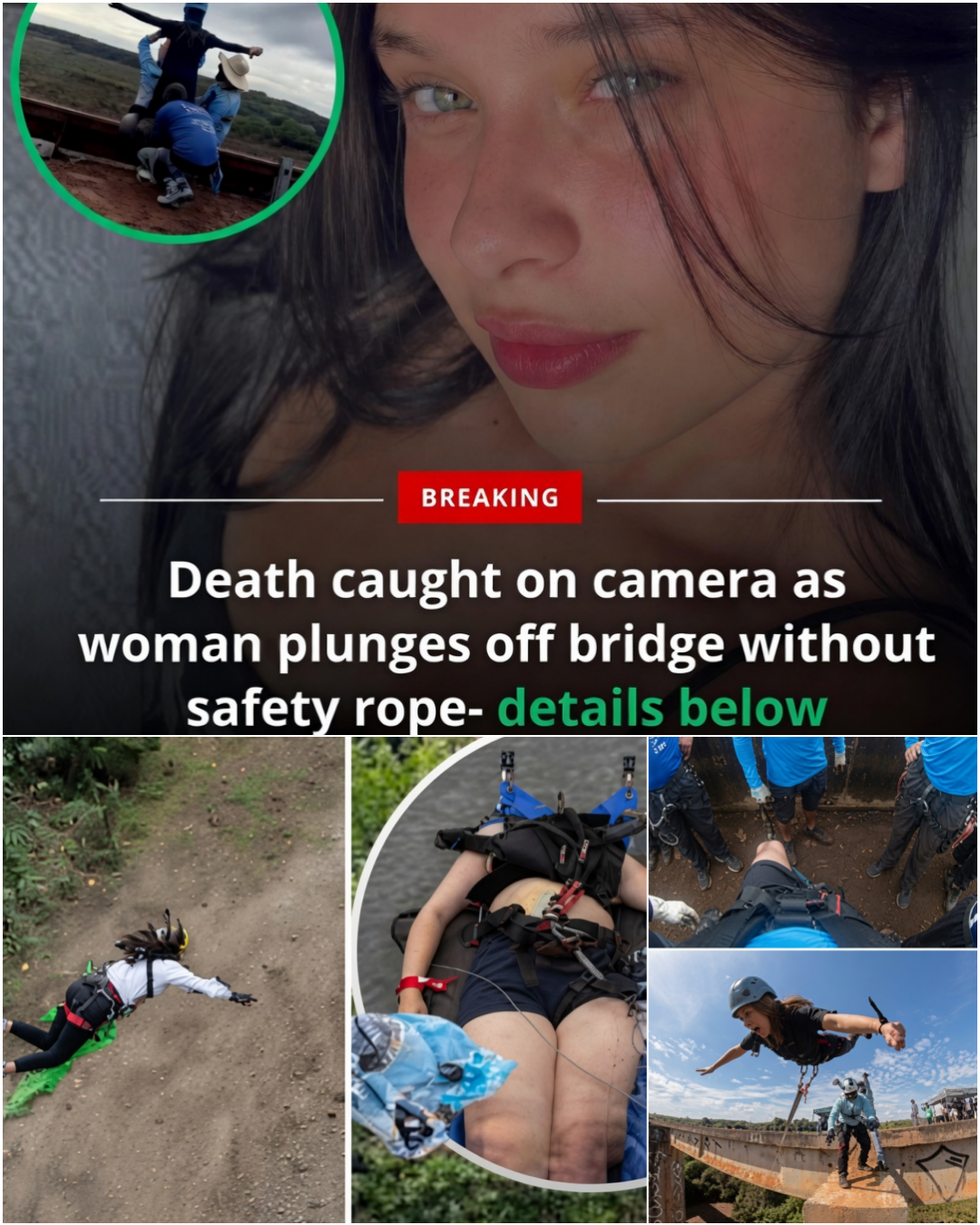
The investigation into the death of 21-year-old Maria Eduarda Rodrigues de Freitas has taken a new and troubling turn as Brazilian police search for a GoPro-style camera that may have recorded the moments before she was launched from Skeleton Bridge in Limeira, São Paulo.
Maria died on June 13, 2026, during a rope-jump activity that was supposed to be an exciting adventure. Instead, investigators say she was released from the bridge without being connected to the safety ropes that should have protected her from the fall.
Now, one missing object may become one of the most important pieces of evidence in the case.
According to reports, Maria may have been carrying or wearing an action camera when she was prepared for the jump. The camera was allegedly part of the paid experience, meant to capture the thrill of the moment from her perspective. For many adventure participants, that kind of video is a souvenir — proof of courage, excitement, and a memory they can share afterward.
But in Maria’s case, that camera may have recorded something far more serious.
It may show who handled the equipment. It may reveal whether the safety rope was visibly missing. It may capture voices, warnings, instructions, or confusion before the launch. It may help investigators determine whether the people operating the jump realized something was wrong before Maria was released.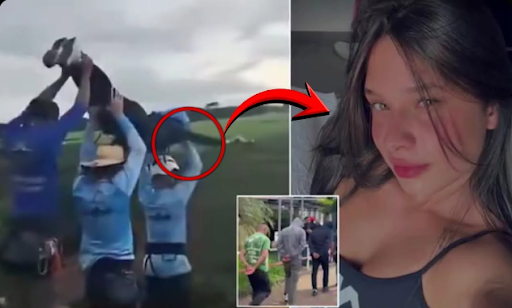
That is why police are now trying to locate the device.
A witness reportedly told authorities that after Maria fell, someone connected to the rope-jump operation removed the camera from her body. That claim has raised serious concern because, as of the latest reports, the camera has not been recovered.
If the camera exists and still contains footage, it could help answer some of the most painful questions in this case.
Was Maria already unsecured when she was moved toward the edge of the bridge? Did anyone notice the missing rope? Did bystanders shout warnings before the launch? Who gave the final signal? Did the instructors check her harness and safety system properly? And what happened immediately after she hit the ground?
For investigators, those details matter.
For Maria’s family, they may matter even more.
The missing camera is not just a technical detail. It could be the closest thing to Maria’s final point of view. It could show the final seconds of trust before everything went wrong.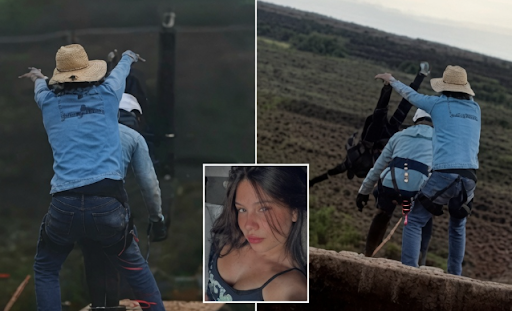
Maria trusted the people around her. She trusted that the activity had been prepared safely. She trusted the instructors, the harness, the ropes, and the final check that should have happened before any participant was launched from a bridge.
That trust ended in tragedy.
Three men linked to the rope-jump operation are under investigation. They have been identified in reports as Luis Felipe Feliciano Egoroff, Vitor de Freitas Gonçalves, and Maicon Fernandes Cintra. Authorities are treating the case as homicide with implied risk, meaning investigators believe the suspects may not have intended to kill Maria, but may have acted with serious disregard for a known danger.
One of the most disturbing parts of the case is that those involved reportedly could not clearly explain who was responsible for securing Maria to the rope before she was released.
That uncertainty is central to the investigation.
In any extreme sport, especially one involving a fall from a height of around 30 to 40 meters, there can be no confusion about safety responsibility. Every person on the team must know their role. One person cannot assume another person has already checked the connection. The final launch signal should only happen after every safety point has been confirmed.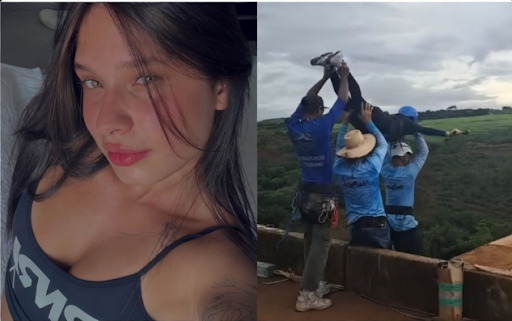
In Maria’s case, investigators say she was not connected to the safety ropes at the moment she was launched.
That single failure cost her life.
The GoPro could help show whether the failure was obvious before the launch. It could show whether the rope was left behind. It could show how the instructors communicated. It could show whether anyone warned them in time.
This is why the camera has become such a powerful symbol in the case.
It represents evidence. It represents answers. It represents truth.
The investigation is also looking at the broader circumstances surrounding the jump. Reports say the activity at Skeleton Bridge was not properly authorized. The bridge, an abandoned railway structure, had become known among thrill seekers and adventure groups, even though officials had concerns about safety and access.
After Maria’s death, authorities began discussing stronger restrictions at the bridge, including barriers, warning signs, and possible demolition to prevent future tragedies.
But for Maria’s family, those actions come after an irreversible loss.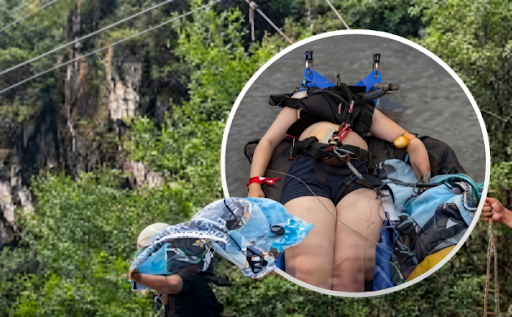
Maria was only 21 years old. She had a future, dreams, and people who loved her. She had gone to the bridge for an adventure, not knowing that one missed safety step would take everything away.
The missing GoPro now stands at the center of a painful question: did it capture the truth that everyone is still waiting to hear?
Until the camera is found, uncertainty remains.
The public wants to know what happened. Investigators want evidence. Maria’s family wants answers. And every person who has watched this case unfold wants to understand how a young woman could be launched from a bridge without the one safety connection that mattered most.
The case remains under investigation, and no final verdict has been announced. The suspects have the right to defend themselves in court, and the legal process will determine responsibility based on evidence.
But the search for the missing camera continues to carry emotional weight.
Maria should have returned home with a video of courage and joy.
Instead, that camera may now hold the final clues to a tragedy that should never have happened.
Her family deserves the truth.
And if that footage exists, it must be found.