I never thought I would one day become my mother’s mother.
I never thought I would one day become my mother’s mother.
My mom was always the strong one. She raised me by herself after my dad left when I was seven. She worked two jobs, made sure I had everything I needed for school, and still found time to help other people in our neighborhood. Even after I grew up and moved to another state, she was the one I called when I didn’t know what to do. She always had an answer, or at least a way to make me feel less scared.
When she started forgetting things two years ago, I told myself it was just normal aging. She was sixty-eight, after all. She would lose her keys or repeat a story she had already told me. I brushed it off. But then she called me one night, panicked, because she couldn’t remember how to get home from the grocery store she had been going to for thirty years. That was the first time I felt real fear settle in my chest.
The diagnosis came three months later: early-onset Alzheimer’s. The doctor explained it gently, but nothing could soften the words. I remember sitting in the parking lot after the appointment, staring at my steering wheel, trying to understand how the woman who had always taken care of everyone was now going to need someone to take care of her.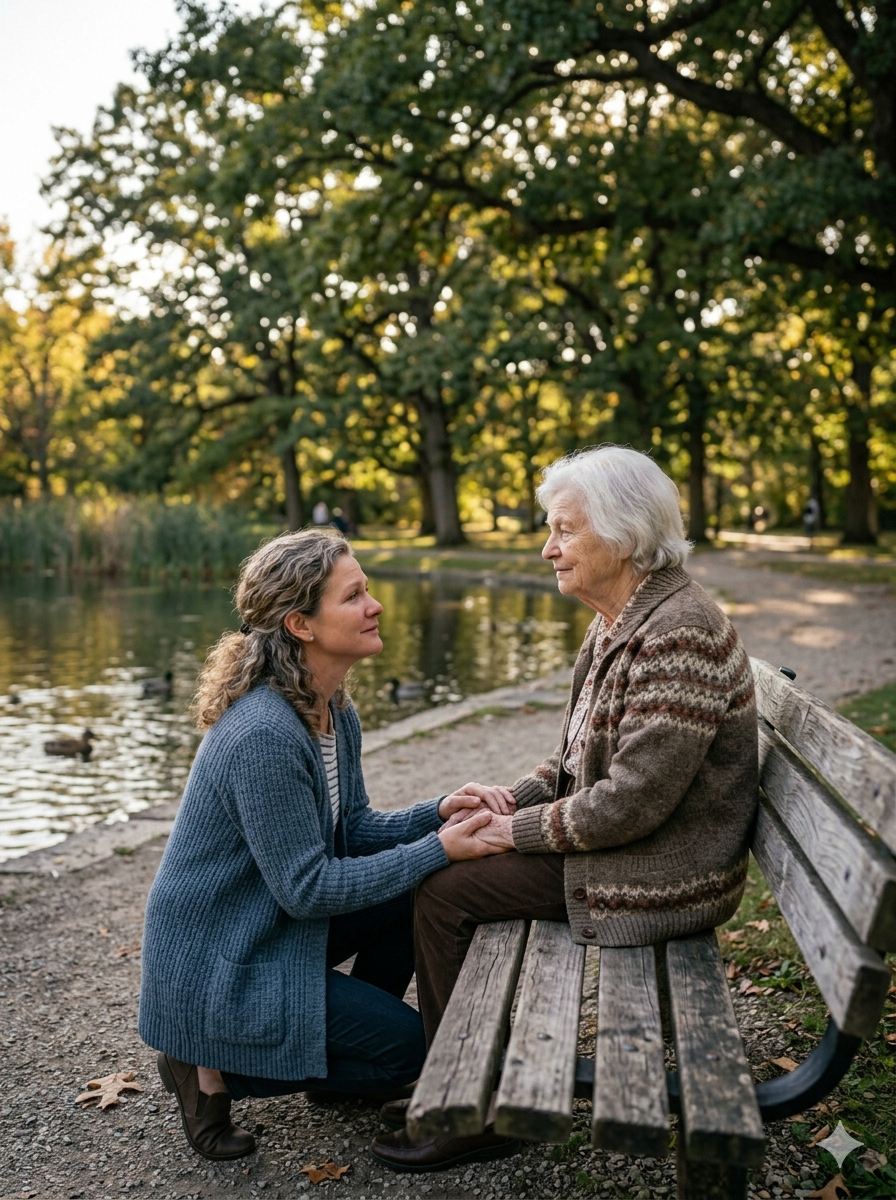
I moved back home six months ago.
At first, I told myself it was temporary. I took a leave from my job and planned to stay for a few months while we figured things out. But as the months passed, it became clear that “figuring things out” meant I was staying. My mom could still do most things on her own — cook simple meals, get dressed, take her medicine if I laid it out for her — but she needed reminders. She needed someone to gently steer her back when she started telling a story that didn’t make sense anymore. She needed someone to sit with her when she woke up in the middle of the night confused about where she was.
Some days are harder than others.
There are mornings when she looks at me like she’s trying to place my face. There are afternoons when she asks where my father is, even though he’s been gone for decades. There are moments when she gets frustrated and snaps at me for treating her like a child, and I have to swallow the hurt because I know it’s not really her talking. The hardest part isn’t the physical care. It’s watching the person who raised me slowly disappear in small pieces while her body is still here.
But there are also moments I didn’t expect.
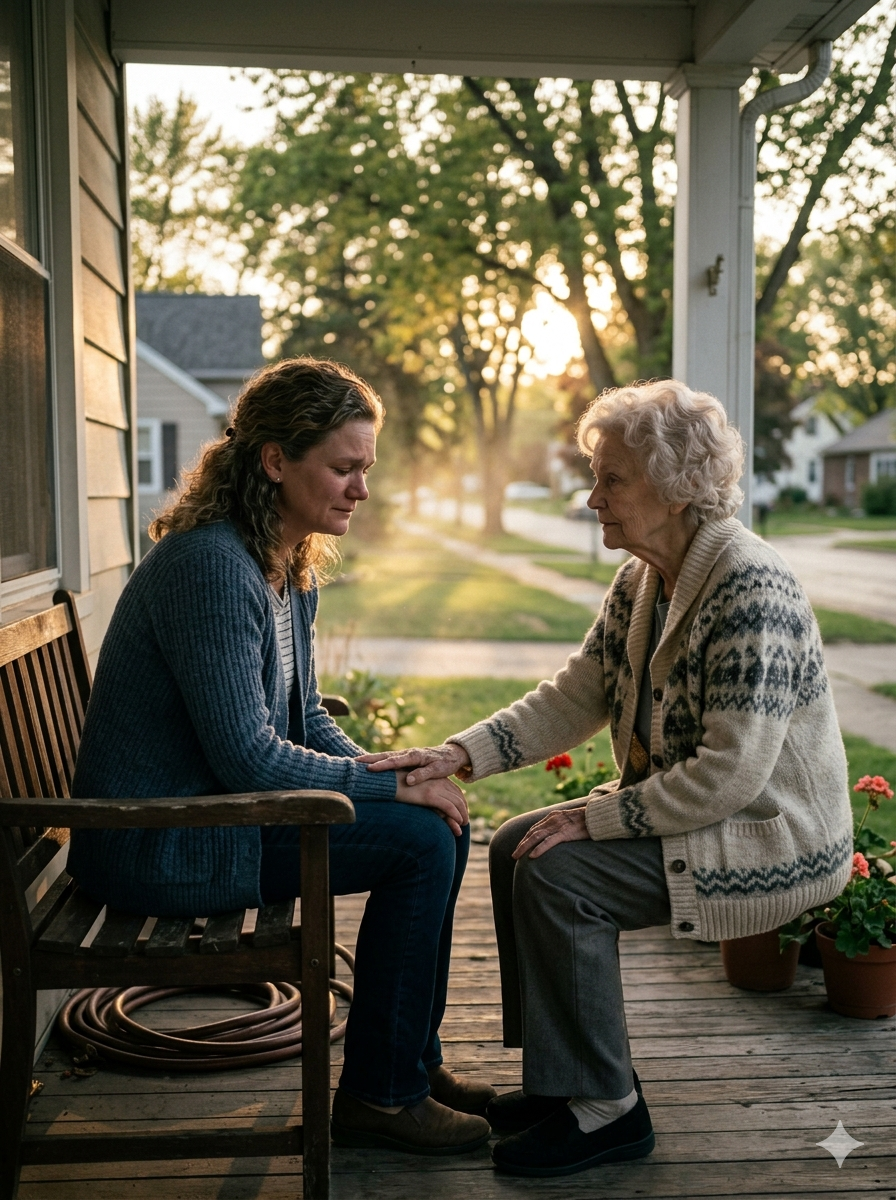
She still hums when she’s cooking, the same off-key songs she used to sing when I was little. Sometimes when we’re sitting on the porch in the evening, she’ll reach over and pat my hand the way she used to when I was upset as a child. Those small, familiar gestures feel like gifts now. I’ve started keeping a notebook where I write down the things she still remembers clearly — stories about her own childhood, the way she met my father, the day I was born. I read them back to her sometimes. Even if she doesn’t always remember telling me, she smiles like she’s hearing them for the first time.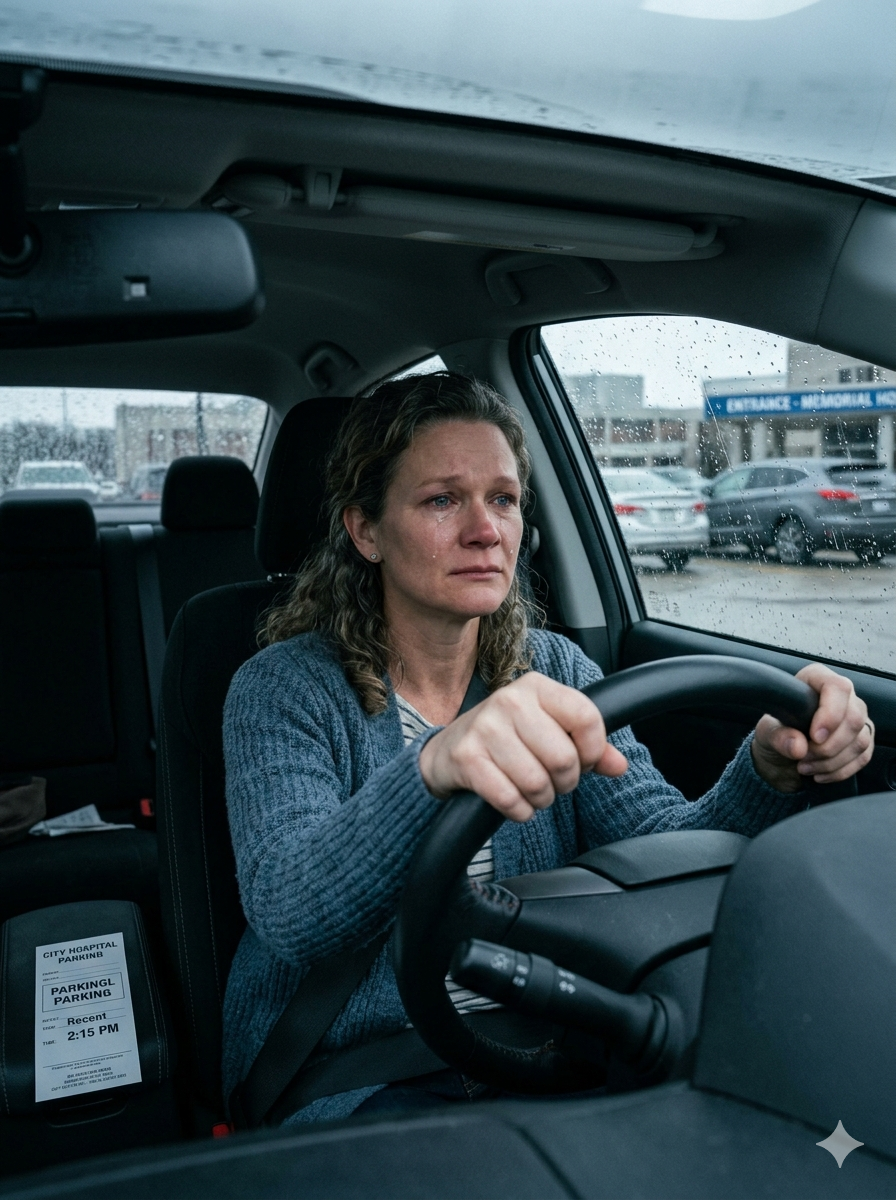
I’ve had to learn how to ask for help. For a long time I tried to do everything myself because I felt guilty leaving her with anyone else. But I was burning out. A neighbor started coming over twice a week so I could go to the grocery store or just sit in a coffee shop alone for an hour. My cousin drives her to her doctor appointments sometimes so I can have a break. I’ve started going to a support group for caregivers on Thursday evenings. At first I felt embarrassed admitting I needed it. Now I realize I would have fallen apart without it.
Last week, on Mother’s Day, I took her to the park where she used to take me when I was little. We sat on a bench and watched the ducks. She was quiet for a long time, then she turned to me and said, very clearly, “You’re a good girl. I’m proud of you.”
I don’t know if she knew exactly who I was in that moment or if she was speaking to some memory of me from years ago. It didn’t matter. I held her hand and told her I loved her. She squeezed my fingers and said, “I know.”
I still don’t know what the next few years will look like. I know this disease is progressive and there will be harder days ahead. I know I will probably have to make decisions I don’t want to make. But I’ve stopped trying to predict how bad it will get. Instead, I’m trying to stay present in the days we still have.
Some mornings I wake up and feel overwhelmed by everything I’ve had to give up — my job, my independence, the version of my life I thought I would have at this age. But then I look at my mom, and I remember that she gave up so much for me without ever making me feel like a burden. The least I can do is give her whatever time and care I have left to give.
If you’re caring for a parent or someone you love who is slowly fading, I see you. It’s exhausting and heartbreaking and sometimes lonely in ways that are hard to explain. But there are still moments of connection, still reasons to laugh, still days when love shows up in the smallest, quietest ways. Hold on to those. They’re what keep us going.
And if you know someone who is carrying this weight, check on them. Offer to sit with their loved one for an hour so they can breathe. Bring them a meal. Send them a message that says “You’re doing an important job, even on the days it doesn’t feel like it.”
Because they are. And sometimes, just knowing someone sees that makes all the difference.