Between Nature and Risk: The Global Debate Sparked by an Unassisted Ocean Birth
Between Nature and Risk: The Global Debate Sparked by an Unassisted Ocean Birth
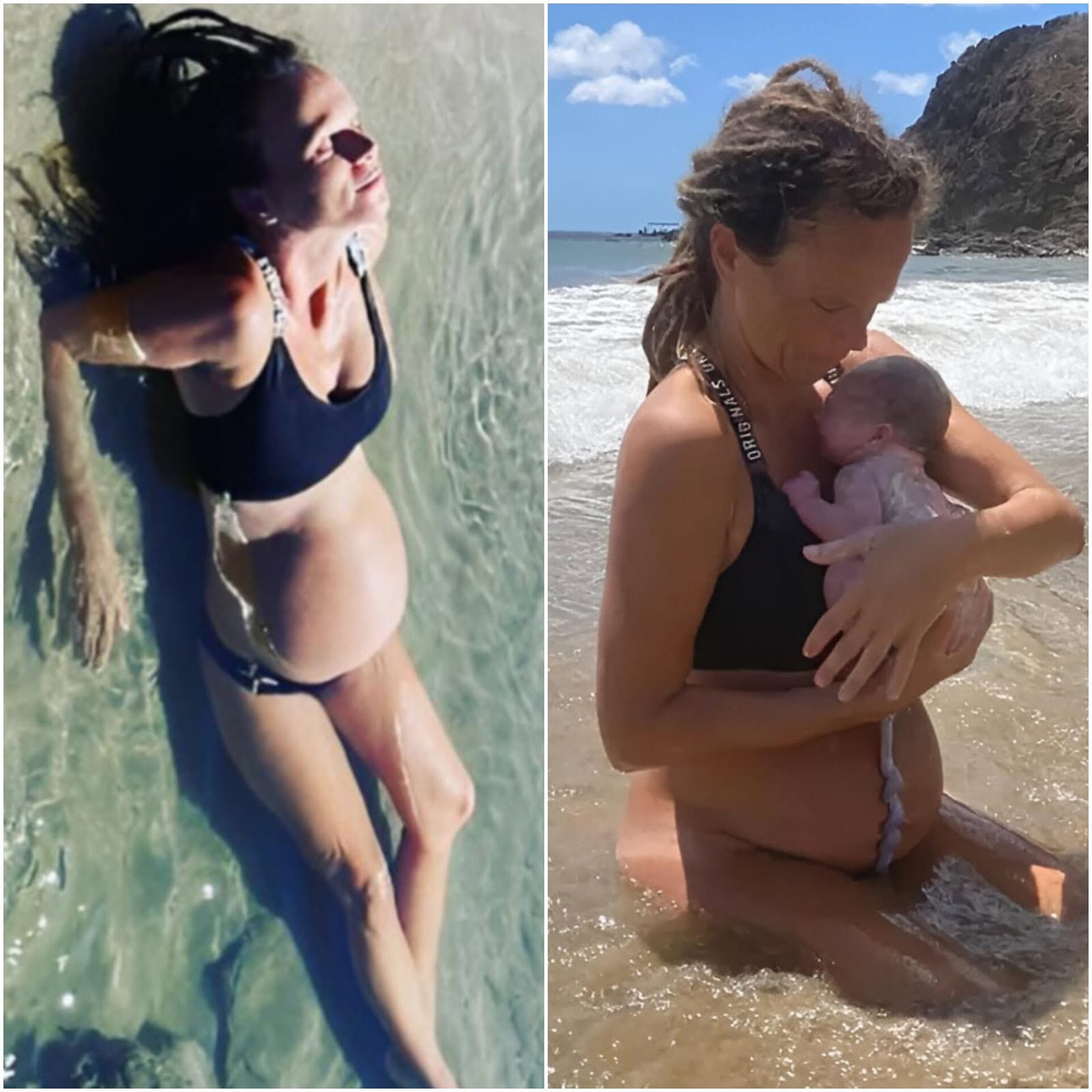
Josy Peukert, a 37-year-old mother, ignited a fierce global debate after sharing video footage of herself giving birth in the Pacific Ocean. Without medical professionals, midwives, or clinical monitoring, she welcomed her son while standing in the surf at Playa Majagual in Nicaragua. The images, which went viral, drew a stark divide between those who viewed the act as an empowering return to nature and those who criticized it as reckless.
For Peukert, the decision was deeply intentional. Influenced by previous, less satisfactory hospital experiences, she sought a free birth—a delivery entirely devoid of medical intervention. She rejected scans and due dates, choosing to listen to the rhythm of her own body. The rhythm of the ocean felt connected to her contractions, she explained. Accompanied only by her partner, Benni Cornelius, she navigated the labor as the waves rolled in, collecting the placenta before returning home to rest.
This approach stands in opposition to standard medical protocols. Physicians warn against unassisted births, citing the unpredictability of childbirth and the importance of preparedness for medical emergencies. Critics argue that delivering in an ocean environment exposes both mother and child to risks, including potential infections.
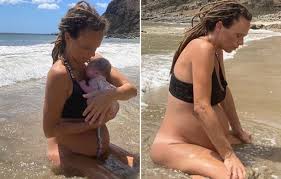
Peukert remains unmoved by the backlash. She researched the process extensively and felt a sense of safety and spiritual grounding in the water. While her son, Bodhi, has thrived since his 2022 birth, her story fuels an enduring conversation: how much control should a mother have over her birth experience, and where is the line between autonomy and medical necessity? The debate surrounding her decision underscores the tension between the desire for untethered natural freedom and the established safety nets of modern medicin