The Ultimate Sacrifice: How a Polish Friar Exchanged His Life for a Stranger in the Shadows of Auschwitz
The Ultimate Sacrifice: How a Polish Friar Exchanged His Life for a Stranger in the Shadows of Auschwitz
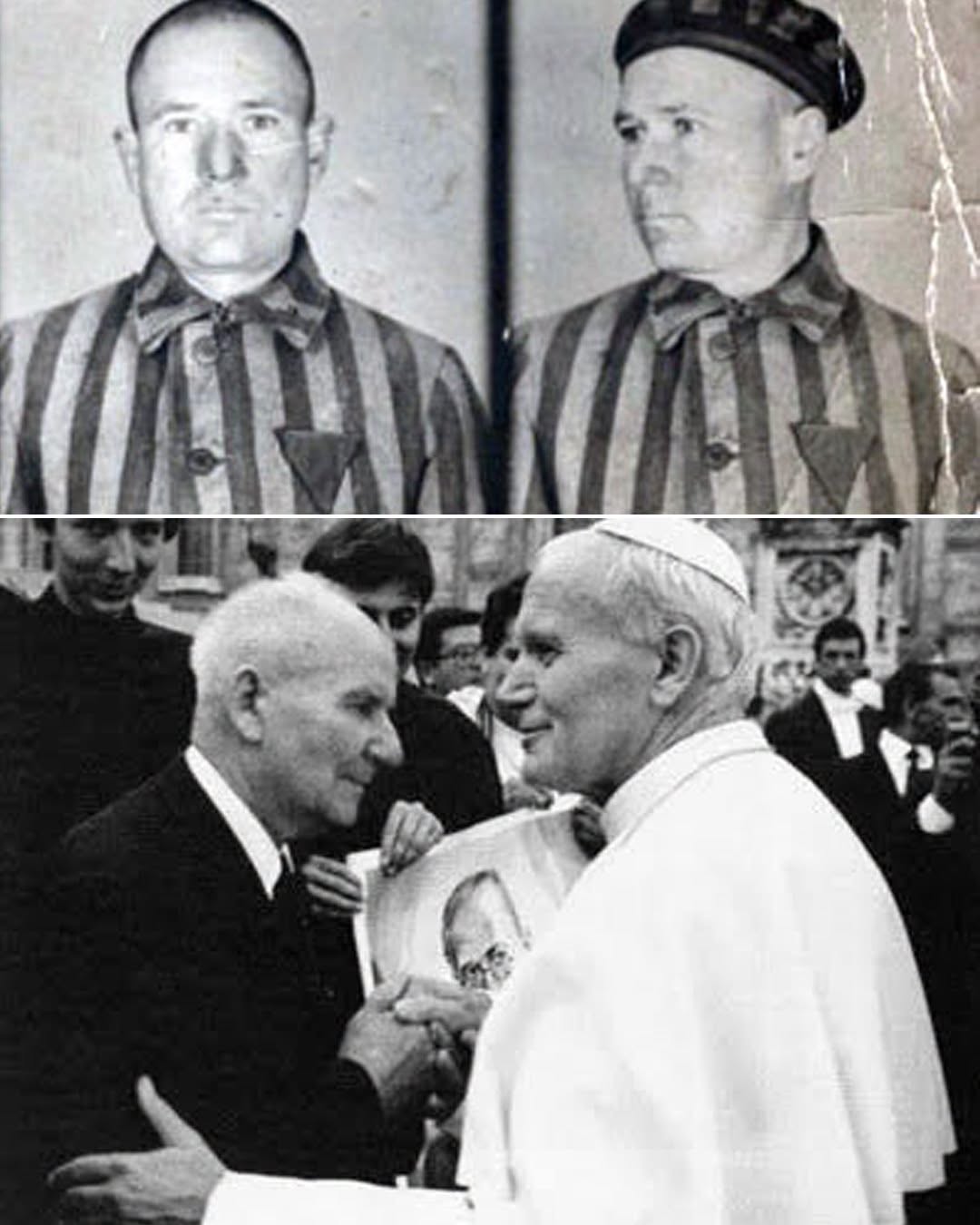
In the summer of 1941, within the grim confines of the Auschwitz concentration camp, one of the darkest chapters of human history witnessed an unparalleled act of light and selflessness. Following the escape of a prisoner, the camp guards implemented a brutal retaliatory policy, selecting ten men completely at random to be condemned to death by starvation in an underground bunker. Among the chosen was Franciszek Gajowniczek, a Polish army sergeant. Upon hearing his name called, the devastated soldier wept openly, crying out for the wife and children he feared he would never see again.
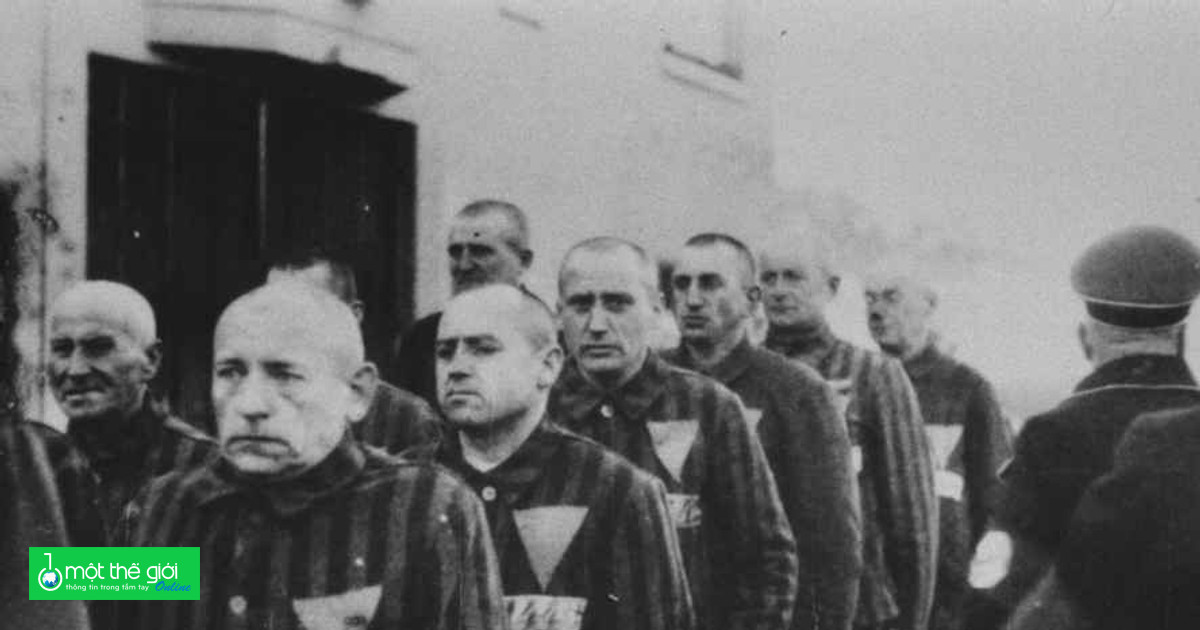
It was in this moment of absolute despair that Maximilian Kolbe, a Polish Franciscan friar who had been imprisoned for sheltering refugees and publishing anti-Nazi literature, calmly stepped forward from the ranks. He approached the camp commander and made an unthinkable request: to take the place of the weeping sergeant. Astonishingly, the guards accepted the exchange. Kolbe was led away to the starvation cell alongside the other nine condemned men. Eyewitnesses later recalled that instead of echoing with cries of agony, the bunker was transformed by Kolbe, who led the dying prisoners in hymns, offered prayers, and provided profound spiritual comfort during their final, agonizing days.
After two weeks of deprivation, Kolbe was one of the last few remaining alive, facing his end with serene composure until guards terminated his life via a lethal injection on August 14, 1941. Because of this sacrifice, Franciszek Gajowniczek survived the horrors of the Holocaust, lived to the age of 93, and spent the rest of his life traveling the world to share the story of the man who died so that he might live. Decades later, in 1982, Pope John Paul II canonized Saint Maximilian Kolbe as a martyr of charity, with Gajowniczek himself present in the crowd—a living testament to an extraordinary act of love that proved human compassion could never be fully extinguished, even in the depths of hell.