Shark Summer 2026 Has Already Begun with a Vengeance: Why US Waters Are Seeing Near-Double-Digit Attacks Before Summer Even Truly Kicks Off – Experts Warn of Warmer Seas, Earlier Migrations and Hungry Predators Closer to Shore
Shark Summer 2026 Has Already Begun with a Vengeance: Why US Waters Are Seeing Near-Double-Digit Attacks Before Summer Even Truly Kicks Off – Experts Warn of Warmer Seas, Earlier Migrations and Hungry Predators Closer to Shore
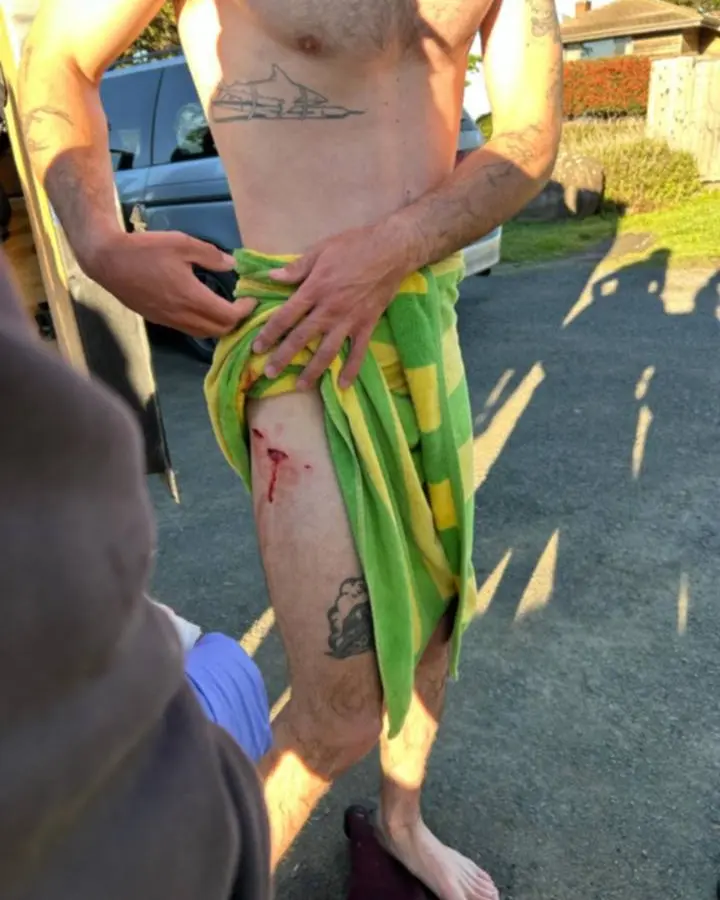
Beachgoers across America are being urged to stay vigilant as shark attacks in U.S. waters are surging far earlier than usual this summer – with the number of reported incidents already approaching double figures while many families are just unpacking their beach umbrellas and coolers for the season.
According to the latest tracking data and expert analysis, the United States has recorded a concerning spike in shark activity and bites in the opening weeks of summer 2026. From Florida’s busy coastlines to New York beaches, California shores, and beyond, encounters that typically peak in late July and August are appearing much sooner, raising alarms among marine biologists and safety officials.
The reasons behind this early surge are a perfect storm of environmental changes and human behavior. Warmer ocean temperatures, fueled by ongoing climate shifts and lingering El Niño effects, are drawing sharks closer to shore earlier in the year. Juvenile great whites and other species are migrating north sooner, following abundant food sources like seals and fish that are also shifting with the currents. Add in record crowds hitting the beaches right after the July 4th holiday, and the odds of close encounters naturally rise.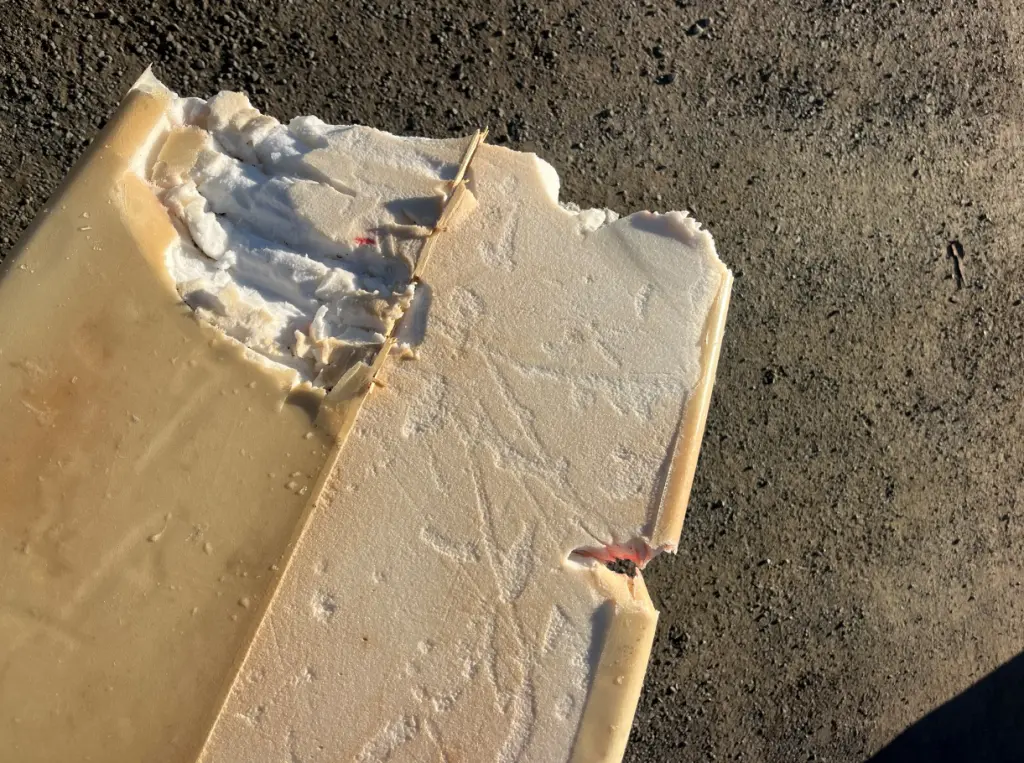
Experts at institutions like Cal State Long Beach’s Shark Lab have been monitoring the trend closely. They note that persistent marine heat waves have brought baby white sharks into coastal waters as early as February – months ahead of the usual April timeline. Warmer conditions could keep elevated sightings and potential interactions high throughout the season.
“Sharks are following their food, and unfortunately, that food is now closer to where people are swimming,” one researcher explained. “Combined with more people in the water enjoying the early summer heat, we’re seeing encounters happen sooner than in past years.”
Florida remains the undisputed shark bite capital, but reports from New York, California, South Carolina, Hawaii, and North Carolina show the issue is widespread. While the vast majority of incidents are non-fatal “investigatory bites” rather than predatory attacks, the sheer volume so early in the season has many wondering if 2026 will break records.
The International Shark Attack File and similar trackers confirm that unprovoked bites in the U.S. have already reached levels that normally don’t appear until mid-summer. In previous years, the country averaged around 25-30 unprovoked bites annually, with Florida accounting for a large share. This year’s early numbers suggest a potentially busier season ahead.
Beach safety advocates are reminding the public that shark attacks remain statistically rare – far rarer than lightning strikes or car accidents on the way to the shore. Still, the psychological impact of seeing “shark warning” signs and viral videos is real, and officials are stepping up patrols, drone surveillance, and education campaigns.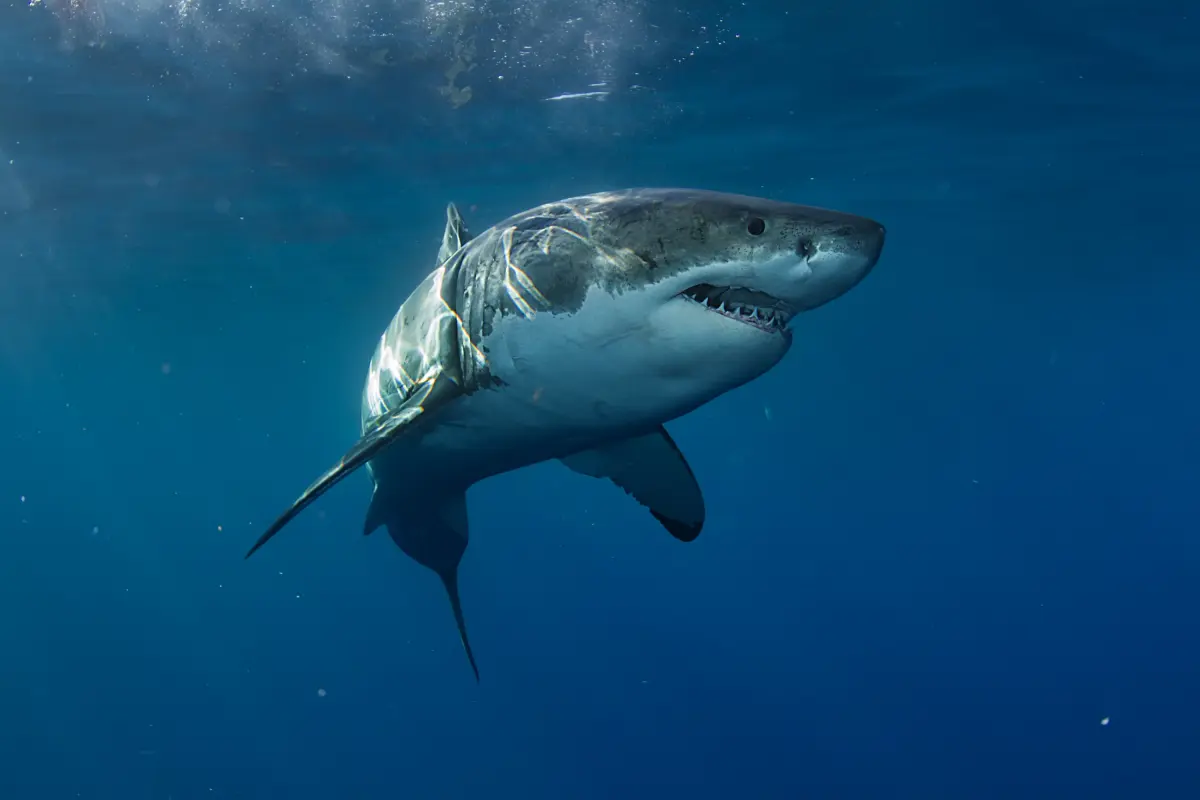
What can beachgoers do to stay safe? Experts recommend swimming in groups, avoiding areas with seals or fishing activity, steering clear of murky water or dawn/dusk times, and not wearing shiny jewelry that mimics fish scales. Splashing and erratic movements can also attract curious sharks, so calm, steady swimming is advised.
Local authorities in hotspots like Florida and California are posting updated advisories and working with lifeguards to monitor for increased activity. Some beaches are even using new technology like AI-powered shark detection systems to provide real-time alerts.
As summer heats up – literally and figuratively – this early surge serves as a timely reminder that our oceans are changing, and with those changes come new realities for those who love them.
Pack your sunscreen, your snacks… and a healthy respect for the sharks sharing the water. The ocean is their home – we’re just visiting.
Have you noticed more shark sightings or warnings at your local beach this year? Share your experiences and stay safe out there!