The Human Puppet Effect: Why a Newborn Baby’s Arms Kept Moving on a Hilarious Loop While He Was Sound Asleep
The Human Puppet Effect: Why a Newborn Baby’s Arms Kept Moving on a Hilarious Loop While He Was Sound Asleep
There is nothing quite as peaceful as watching a newborn baby sleep soundly in their crib. For Gabriel Moore and his wife, looking in on their newborn son, Tyler, was a daily ritual filled with affection. Like most new parents, they frequently snuck into the nursery just to admire their infant child. On one particular evening, they witnessed a baffling yet hilarious phenomenon that they luckily caught on video, a clip that eventually took the internet by storm.
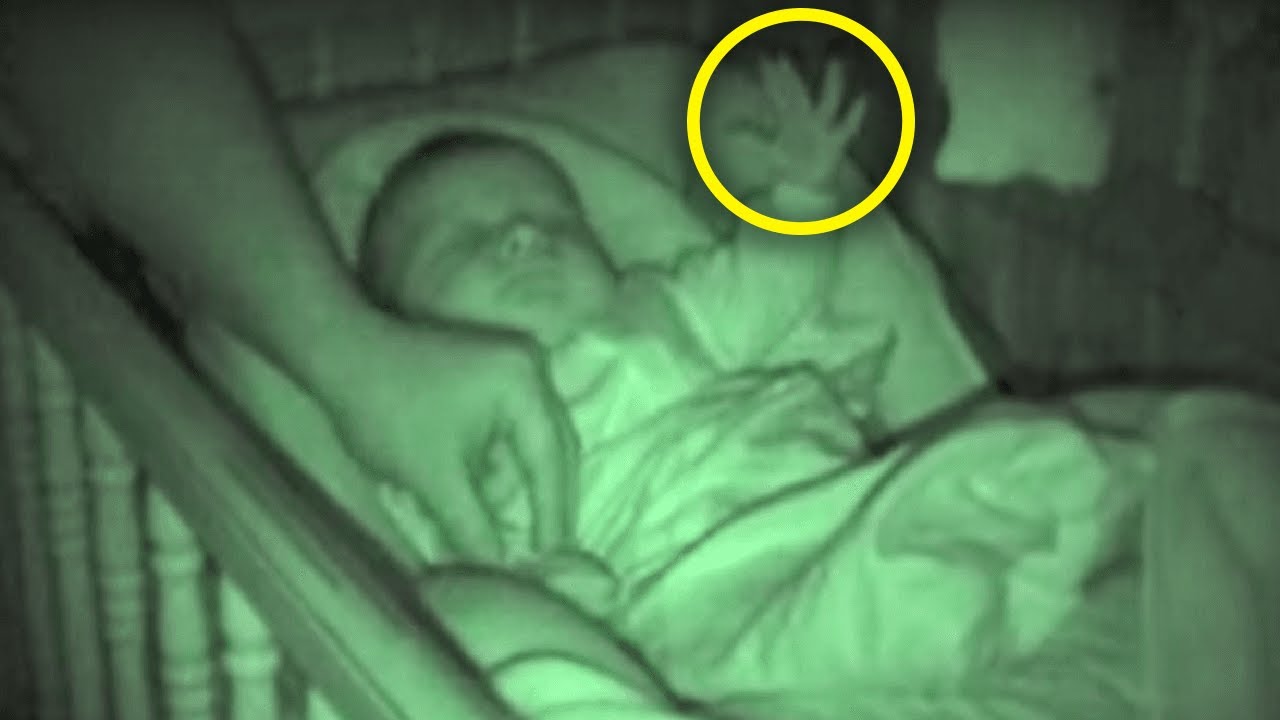
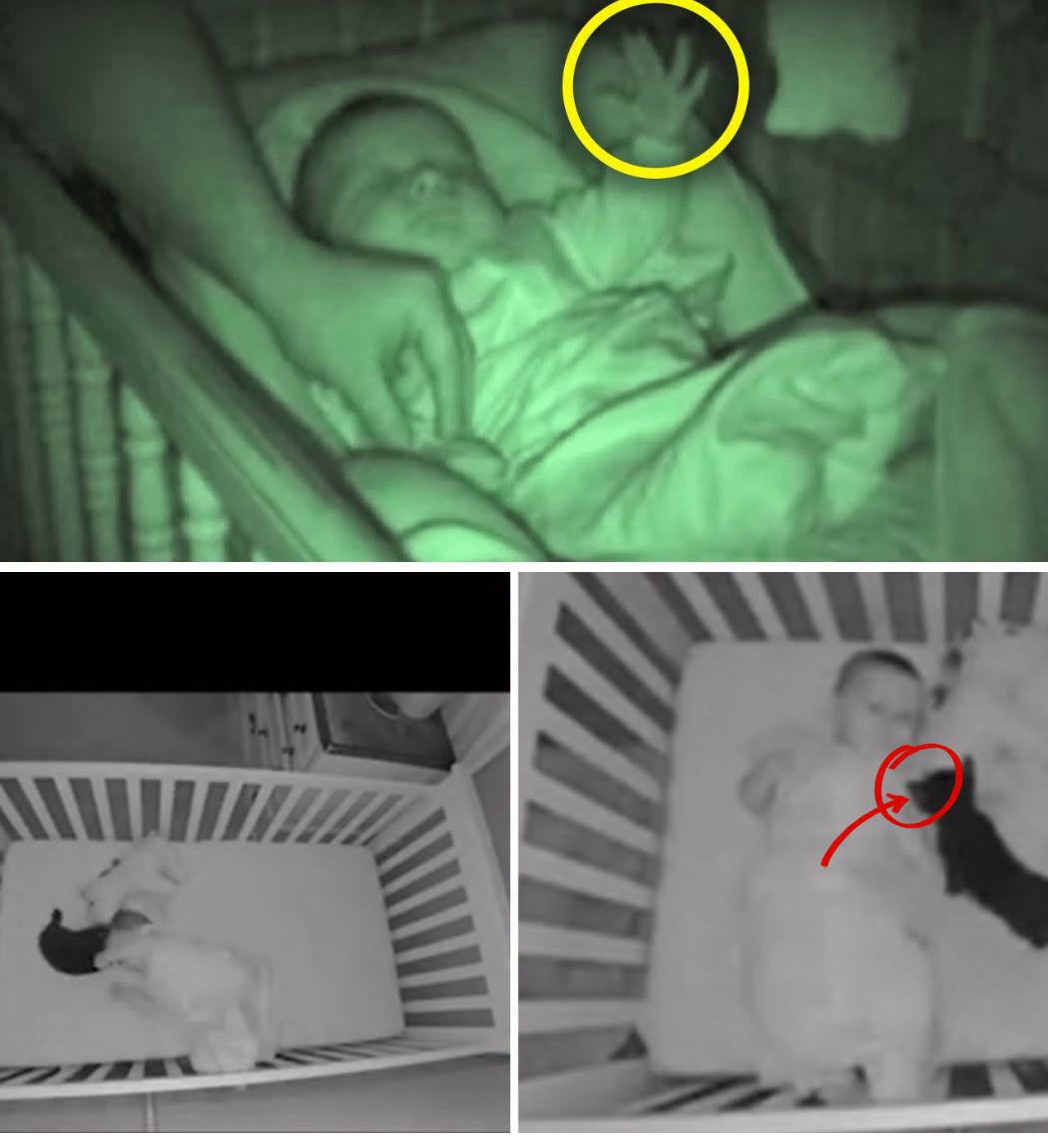
When the couple walked into the room, Tyler was fast asleep with his right arm resting comfortably up by his face. Enamored by the sight, Moore instinctively reached out to gently adjust his son’s tiny hand. As he lowered the baby’s right arm down to rest by his side, the left arm instantly flipped up into the air. Intrigued, Moore moved the left arm back down to the mattress, only to watch the right arm immediately spring back up toward the baby’s face, acting like a perfectly balanced, mechanical lever.
The parents found the automatic routine absolutely hilarious. They had to actively stifle their laughter to avoid waking the sleeping infant, giggling quietly as the baby’s limbs alternated up and down like a human puppet. Every single time Moore pushed one arm down, the opposite one lifted into the air without fail. The couple was so completely enthralled by this strange, seesaw-like reaction that they continued to gently test the mechanism for nearly a minute.
What Tyler’s parents were witnessing was actually a completely normal, primitive infant reflex. Known scientifically as the Asymmetric Tonic Neck Reflex, or simply the “fencing reflex,” this involuntary movement is a crucial sign of healthy neurological development in newborns. When a baby’s head turns to one side, the arm on that side straightens while the opposite arm bends. By manipulating the limbs, the father was inadvertently triggering this natural, automated neural pathway, turning a simple moment of parental affection into a fascinating and viral display of human biology.