A Choice in the Rubble: How One Man Saved Thirty-Eight Lives in the Wake of a Devastating Disaster
A Choice in the Rubble: How One Man Saved Thirty-Eight Lives in the Wake of a Devastating Disaster
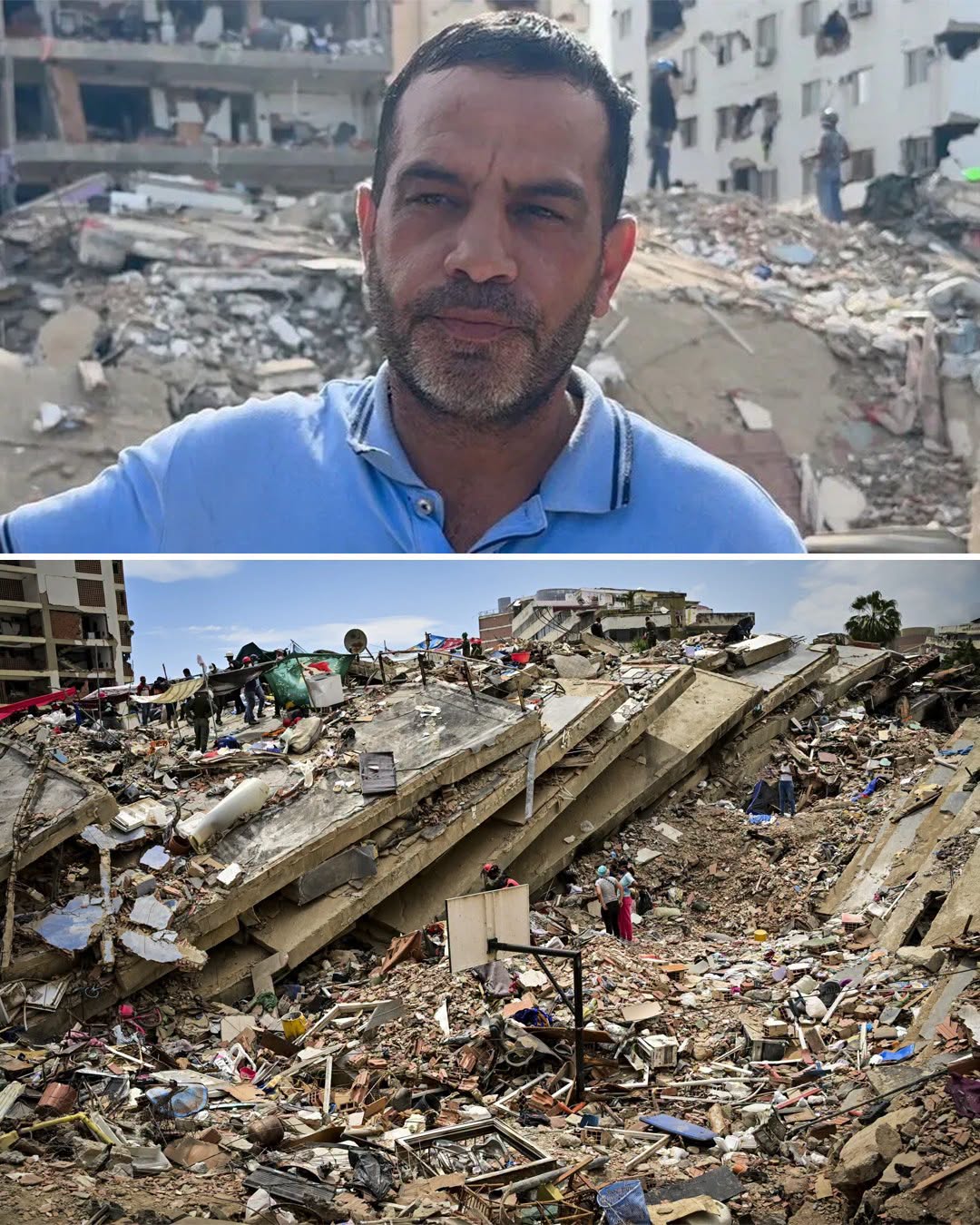
When chaos strikes, human instinct dictates a single, immediate priority: protect the ones you love. For Ibrahim Eser, that instinct was no different when two powerful earthquakes shattered the peace of La Guaira, Venezuela, striking just thirty-nine seconds apart. As he sat in his office, the world around him began to violently fracture. Heavy furniture, massive cabinets, and appliances crashed to the floor as the ground bucked. His immediate thought flew to his wife and children, whose home stood perilously close to a building that had completely pancaked. He raced out into the dust-choked streets, dodging falling debris and witnessing the sheer terror of people trying to escape crumbling structures.
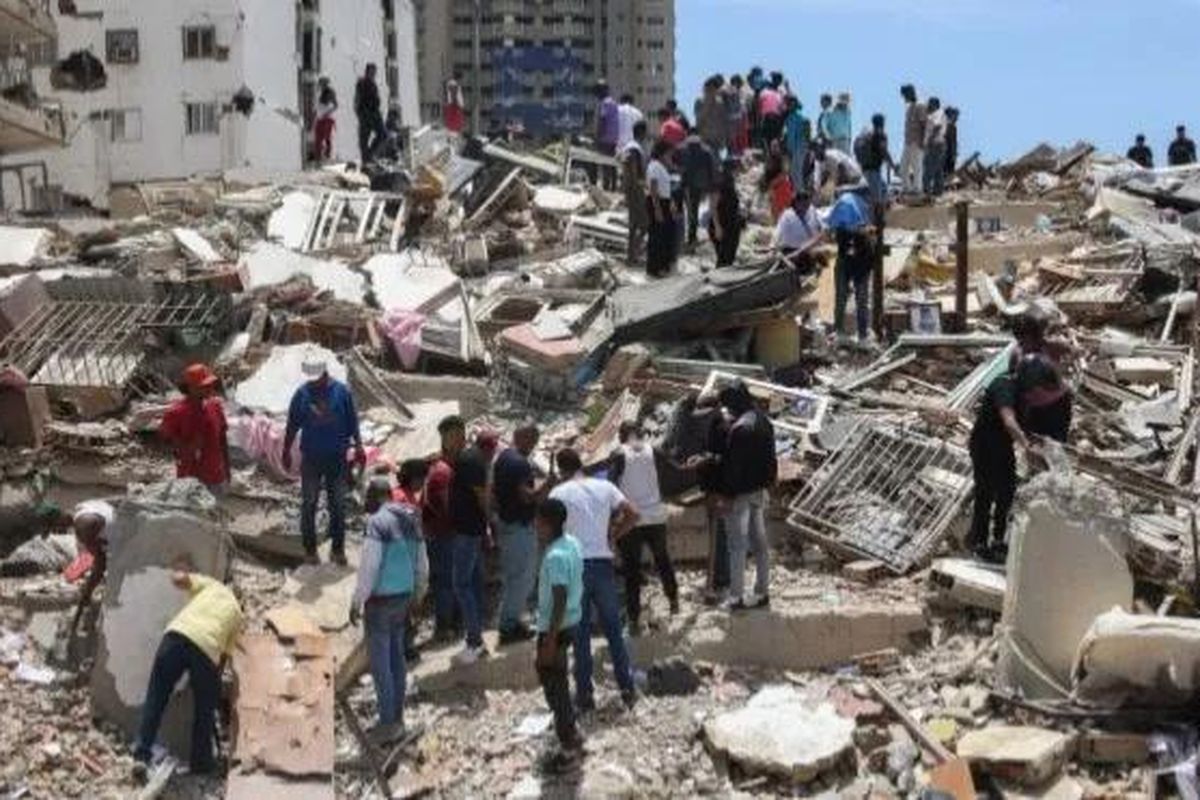
When Ibrahim finally reached his family, the overwhelming wave of relief was instantaneous—they were completely unharmed. At that moment, most individuals would have pulled their loved ones close and stayed put, seeking safety together. But as Ibrahim looked back at the rising plumes of dust and heard the distant cries for help, he made a defining choice. Leaving his family in a safe zone, he turned around and ran directly back into the heart of the destruction.
Without specialized tools, safety gear, or heavy rescue equipment, Ibrahim began clawing through the concrete rubble with his bare hands. For hours on end, he moved heavy stones and twisted metal, guided only by the muffled voices fading beneath the debris. By the dawn of the following morning, his sheer determination had pulled thirty-eight people out of the ruins alive. Among those he saved was the stranded crew of a Turkish Airlines flight, who had become trapped inside a buckling hotel nearby.
Yet, the night was also marked by profound heartbreak. Ibrahim spent over an hour desperately trying to breach a slab of concrete to reach a trapped man named Santiago. He could hear the man’s voice clearly, but without machinery, the debris was an immovable fortress. Santiago did not survive, a painful reminder of what Ibrahim later described as a scene resembling a war zone rather than a natural disaster. In the darkest moments of catastrophe, fear can paralyze, but the courage of ordinary citizens like Ibrahim proves that heroism is not defined by a uniform, but by the willingness to run toward danger when others are running away.