Dignity and Compassion: Why Every Child Navigating a Medical Journey Deserves Our Full Acceptance
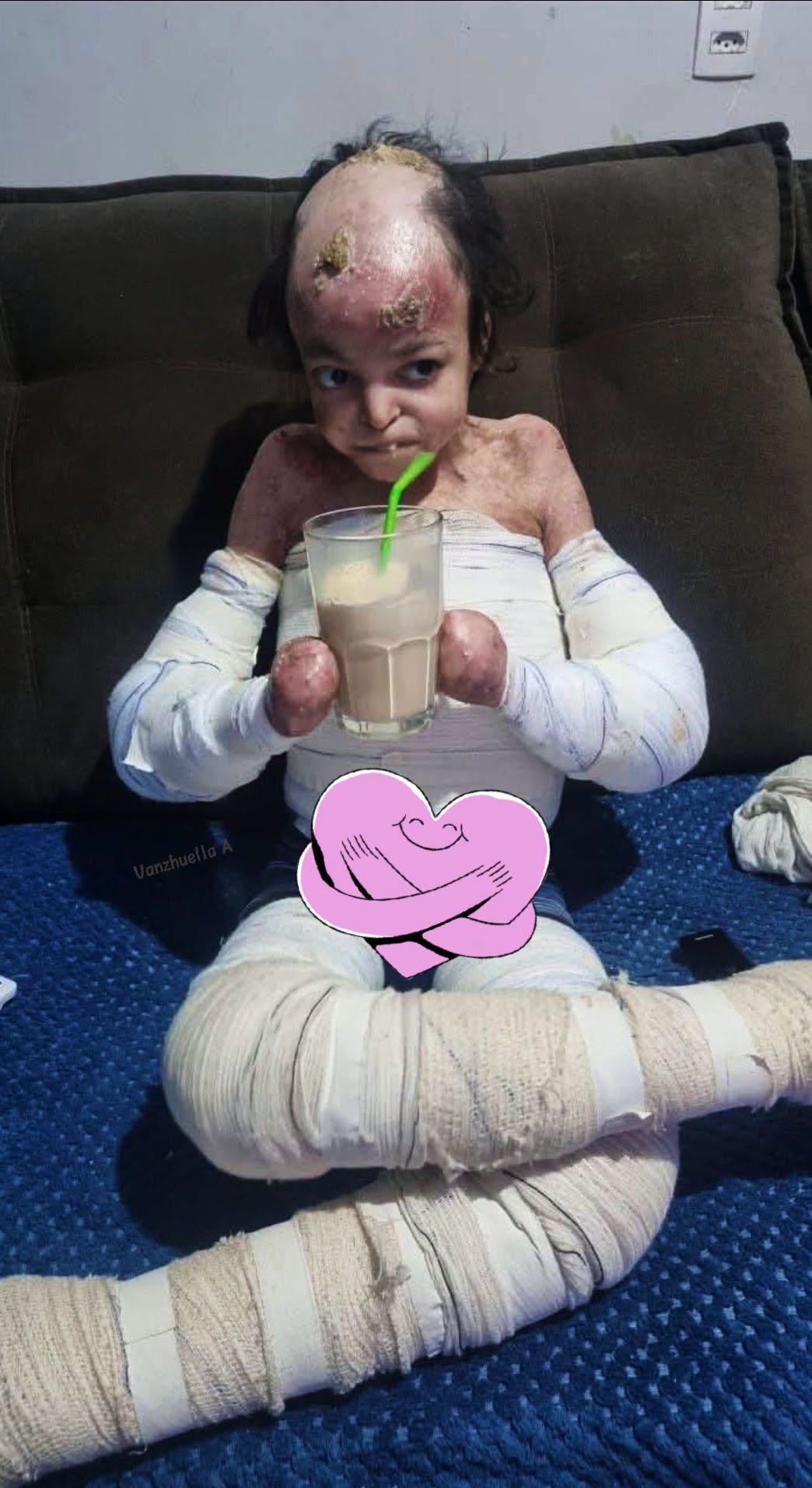
Dignity and Compassion: Why Every Child Navigating a Medical Journey Deserves Our Full Acceptance
Behind every complex medical chart, every sterile hospital corridor, and every demanding treatment journey, there is a child. This child is not a diagnosis, a statistic, or a collection of physical symptoms; they are a human being with dreams, fears, and an inherent worth that should never be overshadowed by their health condition. Navigating a serious illness or a long-term treatment plan is an incredibly heavy burden for anyone to carry, but for a child, it can be entirely overwhelming. It alters their perception of the world and threatens their sense of safety. This is why it is absolutely vital that our healthcare systems, our communities, and our families consciously commit to treating these young warriors with deep dignity, profound empathy, and unwavering compassion.
Unfortunately, children undergoing extensive medical treatments or living with visible conditions often face an invisible barrier: social stigma. This stigma manifests in the whispered comments on playgrounds, the uncomfortable stares from strangers, or the unintended isolation that happens when peers do not know how to react to a physical difference or a prolonged absence from school. Stigma does not just hurt a child’s feelings; it actively hinders their emotional development and psychological healing. When a child feels defined solely by their illness, their self-esteem fractures. By actively raising awareness about the realities of pediatric health challenges, we can dismantle these misconceptions and foster an environment where compassion replaces judgment.

Creating a supportive society means recognizing that medical care must extend far beyond the physical body. True healing requires an emotional sanctuary where children feel accepted exactly as they are. Every child, regardless of the challenges they face, deserves the opportunity to live with dignity and the reassurance that they belong. When we embrace these young individuals with empathy, we give them the strength to look beyond their current struggles and imagine a bright future. It is our collective responsibility to ensure that no child ever walks their treatment path feeling invisible, isolated, or ashamed. By standing together to reduce stigma, we can build a world where support and acceptance are given freely, allowing every child the freedom to just be a child.