Understanding Congenital Spinal Conditions: A Call for Awareness, Support, and Early Medical Intervention
Understanding Congenital Spinal Conditions: A Call for Awareness, Support, and Early Medical Intervention
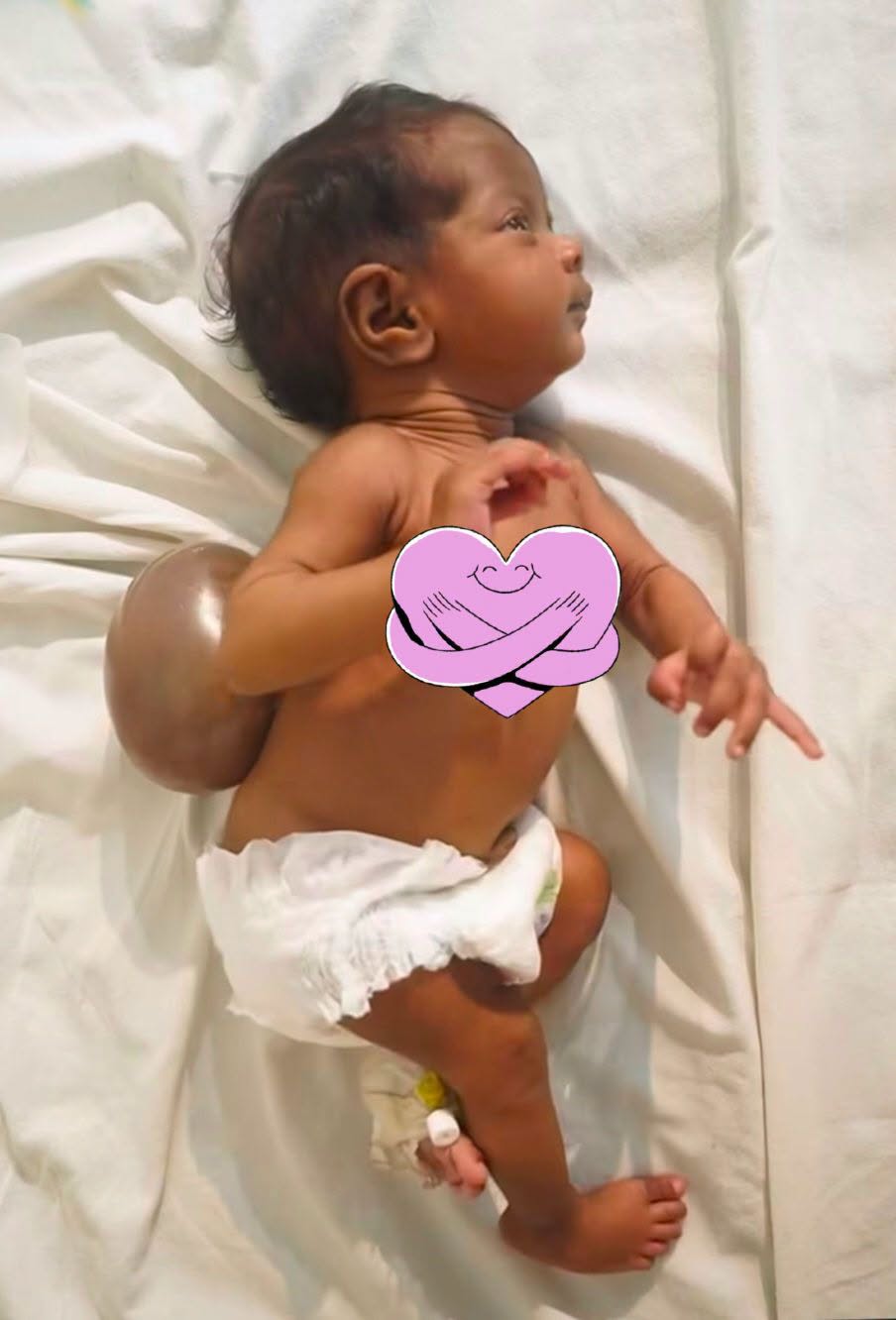
When parents notice an unexpected lump on a baby’s lower back, it can immediately cause a wave of anxiety and concern. In the medical field, a protrusion or visible mass in this specific area can point to several distinct diagnoses, each requiring unique clinical pathways. One of the most prominent congenital conditions associated with this physical presentation is spina bifida. This neural tube defect occurs during early embryonic development when the spinal column and the protective neural tube surrounding the spinal cord fail to close completely. Depending on the severity of the malformation, the condition can lead to a broad spectrum of physical challenges, ranging from mild mobility issues to complex neurological impairment.
While the medical aspects of congenital conditions require precise diagnostic imaging and specialized neurosurgical interventions, the social reality for affected families presents an entirely different set of hurdles. Historically, visible birth defects have been misunderstood, leading to unhelpful misconceptions. Raising public awareness and fostering a deep, scientifically grounded understanding of these conditions is an essential step toward dismantling the persistent social stigma that many individuals still encounter today. Education transforms fear into familiarity, ensuring that families do not have to navigate the complexities of a rare diagnosis in isolation.
Every child, regardless of the physical or neurological differences they are born with, inherently deserves an environment rich in support, proactive medical care, and empathy. True compassion goes beyond mere sympathy; it involves creating accessible communities, funding inclusive healthcare systems, and establishing robust early-intervention programs. By focusing on the unique strengths and individual needs of every newborn, society can ensure that children facing congenital spinal conditions are given the exact tools necessary to grow, adapt, and thrive.