PART 2: For a moment, I could hear nothing but the quiet hum of the ventilation system.
- LongVo
- June 26, 2026
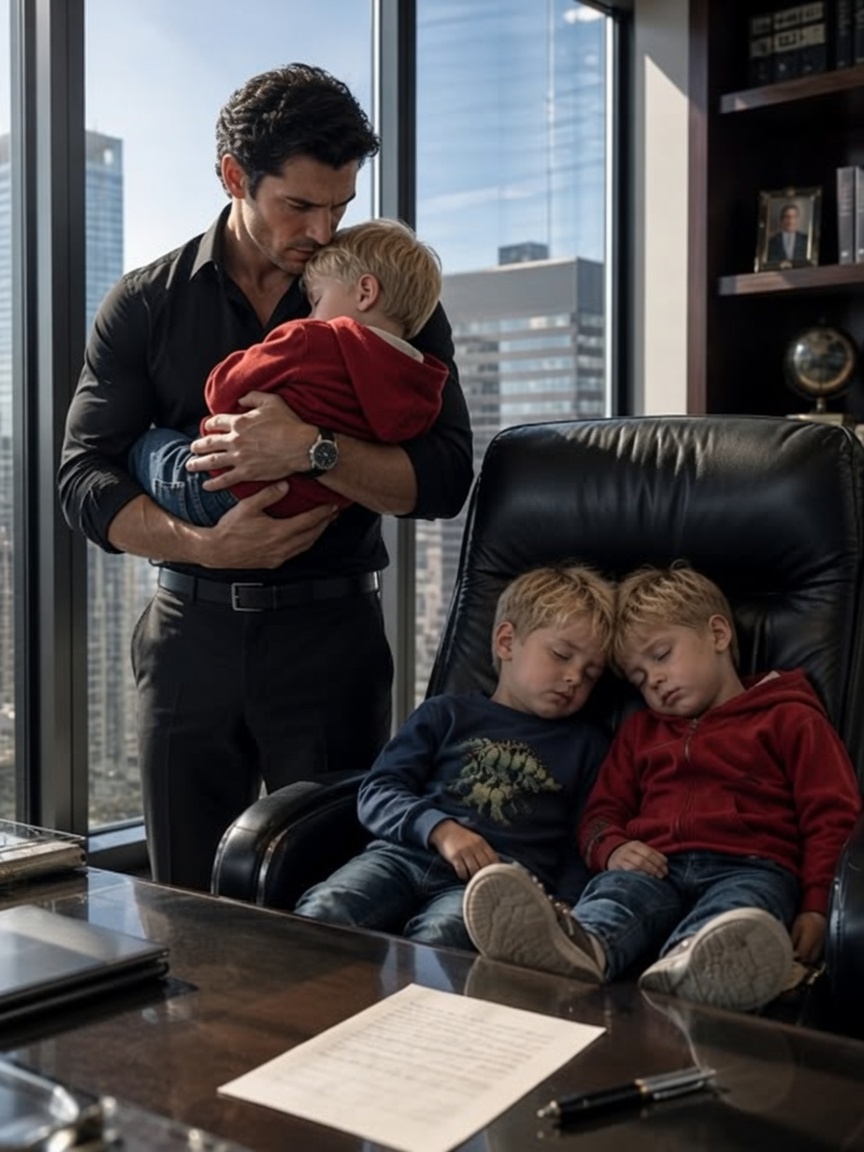
For a moment, I could hear nothing but the quiet hum of the ventilation system.
It filled the space between thoughts, between breaths, between everything I had spent years carefully stacking on top of what came before. The sound wasn’t loud, but it was relentless in the way silence can be when it refuses to behave like silence.
Emma.
The name didn’t arrive so much as it returned.
It moved through me like something I had once learned to live with, then spent a long time pretending I had unlearned. Like a song you don’t realize you still know until it starts playing in a place you can’t leave.
My eyes dropped without permission.
Liam’s small hand was still open in front of me, steady in the way only children can be when they don’t yet understand the weight of what they’re holding. Resting in his palm was the locket.
It looked ordinary at first glance. Unremarkable metal, slightly worn at the edges, the kind of object that might have been mistaken for jewelry if it didn’t feel so deliberate.
Inside it, the photograph caught the light.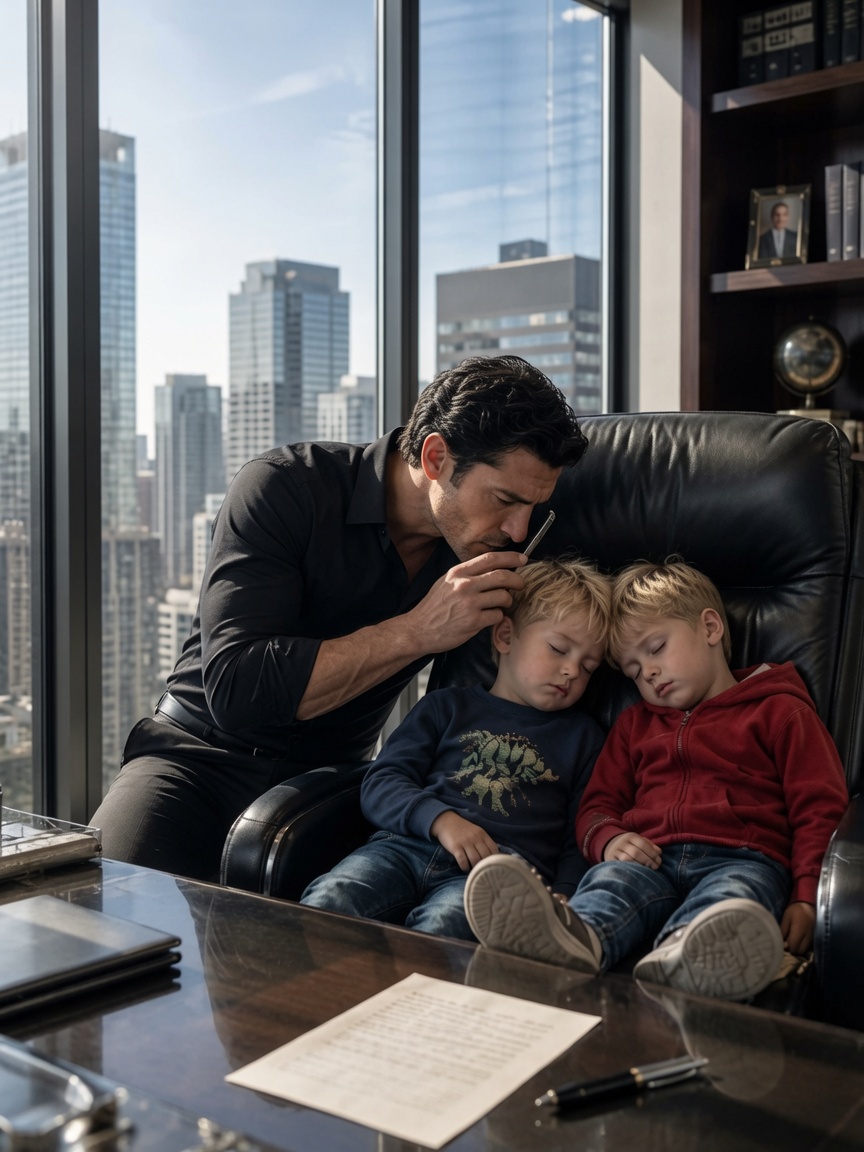
Brooklyn.
A rainy afternoon that had no right to still exist as clearly as it did in my memory.
The bookstore behind us had already been erased by time—or by rent increases, or by whatever quiet violence turns places into absence—but in that image it was still there, pressed into existence by a single frame.
Emma stood just outside the entrance, half sheltered beneath a narrow awning that was too small for both of us. Her hair was damp, darkened by the rain, curling slightly at her cheeks in a way she always pretended she found inconvenient but never actually tried to fix.
I remember complaining about the weather.
I remember the exact tone of my own voice—annoyed, careless, already thinking about what came next instead of what was happening.
Emma had laughed.
Not politely. Not for my benefit.
The kind of laugh that didn’t ask permission to exist.
She grabbed my wrist, tugged me closer beneath the awning, as if the solution to rain was simply refusing to stand in it alone. Then, without warning, she turned toward a passing stranger on the sidewalk and asked them—brightly, casually, as if it were the most natural thing in the world—to take our picture.
I remember hesitating.
Just for a second.
And then I remember not hesitating at all.
The click of the camera had been small.
But the moment it captured had not been.
Now, years later, that same image sat inside a locket in a child’s hand, as if time had folded itself into something I could finally touch without it breaking apart completely.