BABY BOY 3 MONTHS, LOSES HIS HAND AFTER ROUTINE HOSPITAL LEAVING A FAMILY QUESTIONS WHAT WENT WRONG
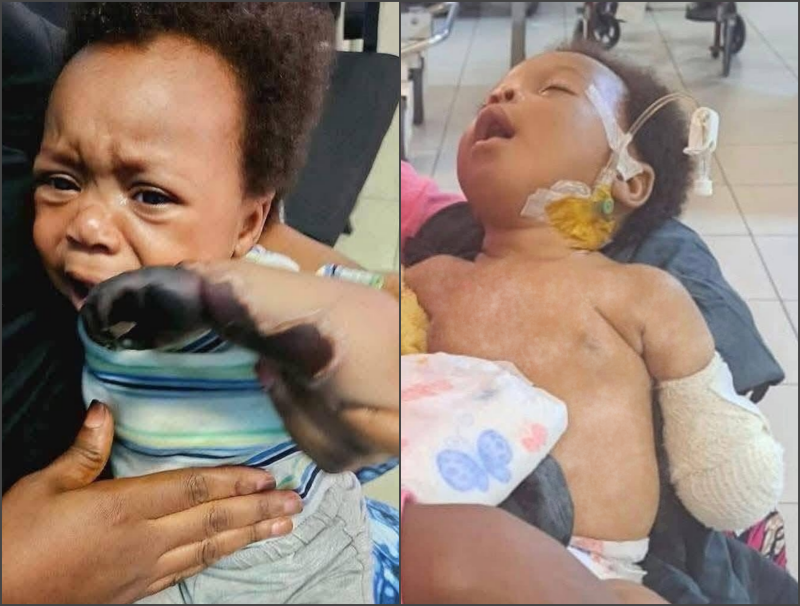
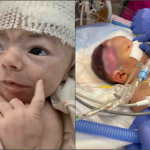
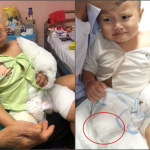
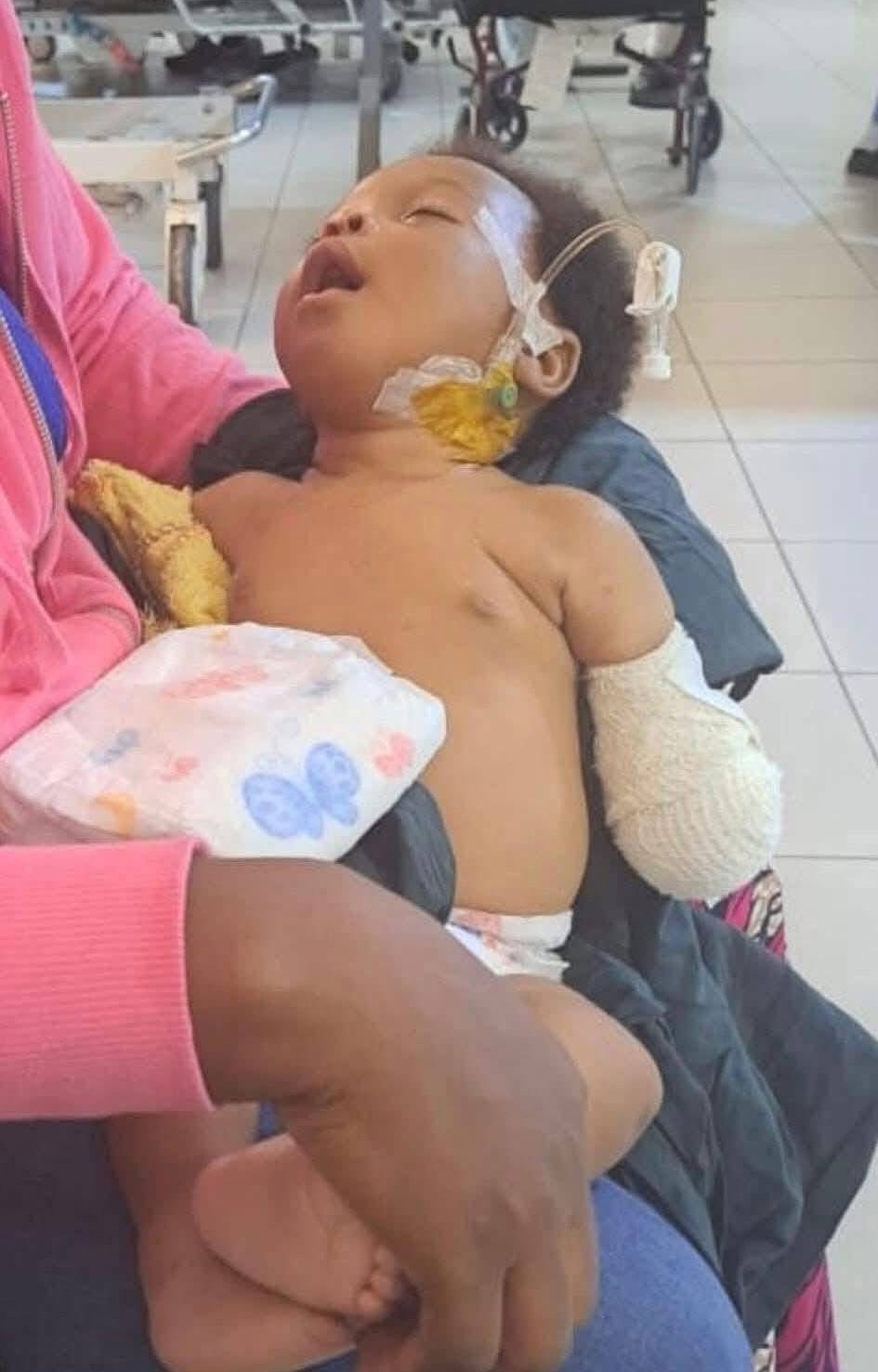
A three-month-old Liberian baby boy has lost his left hand—an amputation that reportedly followed a serious medical incident rather than a congenital condition.
An injection administered at James Davis Hospital in Monrovia is said to have severely affected the infant’s tiny limb. His mother, alarmed by the swelling and discoloration, repeatedly alerted medical staff. She says her concerns were not addressed in time. By the time further action was taken, the hand could no longer be saved.
This is more than a medical incident. It highlights concerns about patient care and the importance of listening to families when urgent warning signs appear. It is a heartbreaking situation that deserves careful attention.
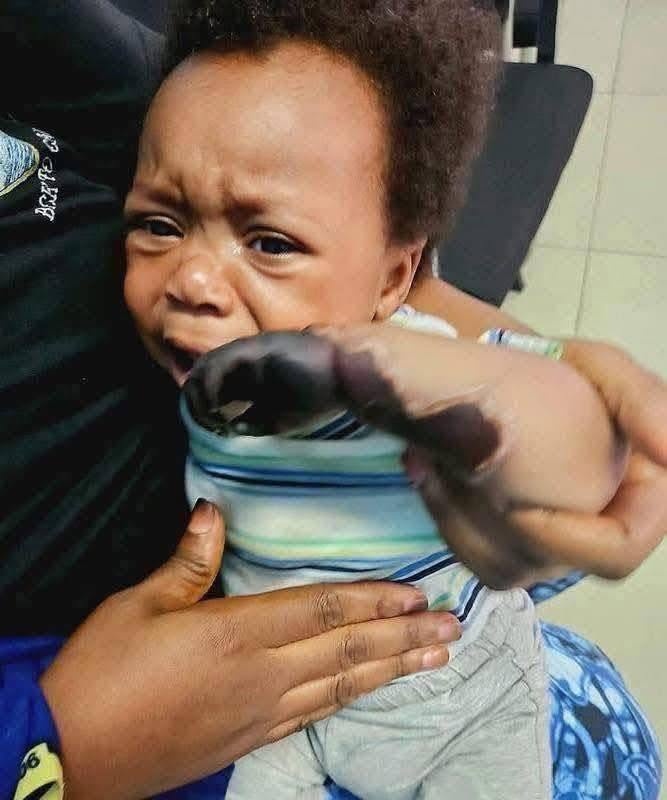
Liberia’s healthcare challenges are well known. But the loss of a baby’s hand after a mother says her concerns went unheard is a painful reminder of why timely care and communication matter. In a country where disability can still carry social stigma, this little boy now faces additional challenges before he has even learned to crawl. His future has been changed by an experience no family should have to face.
The deeper concern is that many families say they have experienced similar moments of feeling unheard during medical care. Some describe overwhelmed healthcare workers, limited resources, and difficult conditions that can affect patient outcomes. This baby’s story has sparked broader conversations about improving healthcare services.
The situation highlights three important concerns:
- Patient care — When a parent raises urgent concerns, every minute matters.
- Transparency — Families often hope for clear communication and a thorough review when serious incidents occur.
- Disability awareness — Every child deserves equal respect, opportunity, and support, regardless of physical challenges.
Many people believe preventable suffering should never become accepted as normal. Families deserve confidence that their concerns will be heard and that every patient will receive attentive, compassionate care. This case has prompted calls for a transparent review of what happened, with careful attention to medical procedures and the family’s experience.
More importantly, it has renewed conversations about how children with disabilities are treated within their communities. A child who loses a limb should never lose the opportunity to grow, learn, and thrive. Greater awareness, understanding, and inclusion can help ensure every child is valued and supported.
Rather than becoming another forgotten story, many hope this case encourages meaningful discussions about patient safety, stronger communication, and continued improvements in healthcare. It also serves as a reminder of the importance of listening when parents raise concerns about their children’s well-being.
A baby’s hand is gone. His life has been altered. His mother’s trust has been shattered.
Source: Public Agenda