Autopsy Findings in Louis Case Reveal the Severity of His Head Injuries
Topic sentence: Newly reported forensic findings have provided investigators with a clearer understanding of the injuries suffered by Louis before his death in a Perpignan hospital.
The investigation into the death of 17-year-old Louis in Narbonne entered an important new stage after French media reported the findings of a forensic examination.
Louis was found unconscious at a construction site on the morning of June 20, 2026, after an alleged group assault the previous night. He was transported to Narbonne hospital before being transferred to a medical center in Perpignan because of the seriousness of his condition.
Doctors performed emergency treatment for injuries affecting his brain. However, Louis died on June 23.
According to information published by La Dépêche du Midi on July 10, the autopsy confirmed that Louis had sustained particularly serious trauma to the head. The examination reportedly identified bruising toward the back of his skull and a fracture in the frontal area.
Louis had also undergone an operation after developing cerebral edema, a dangerous condition involving swelling around the brain.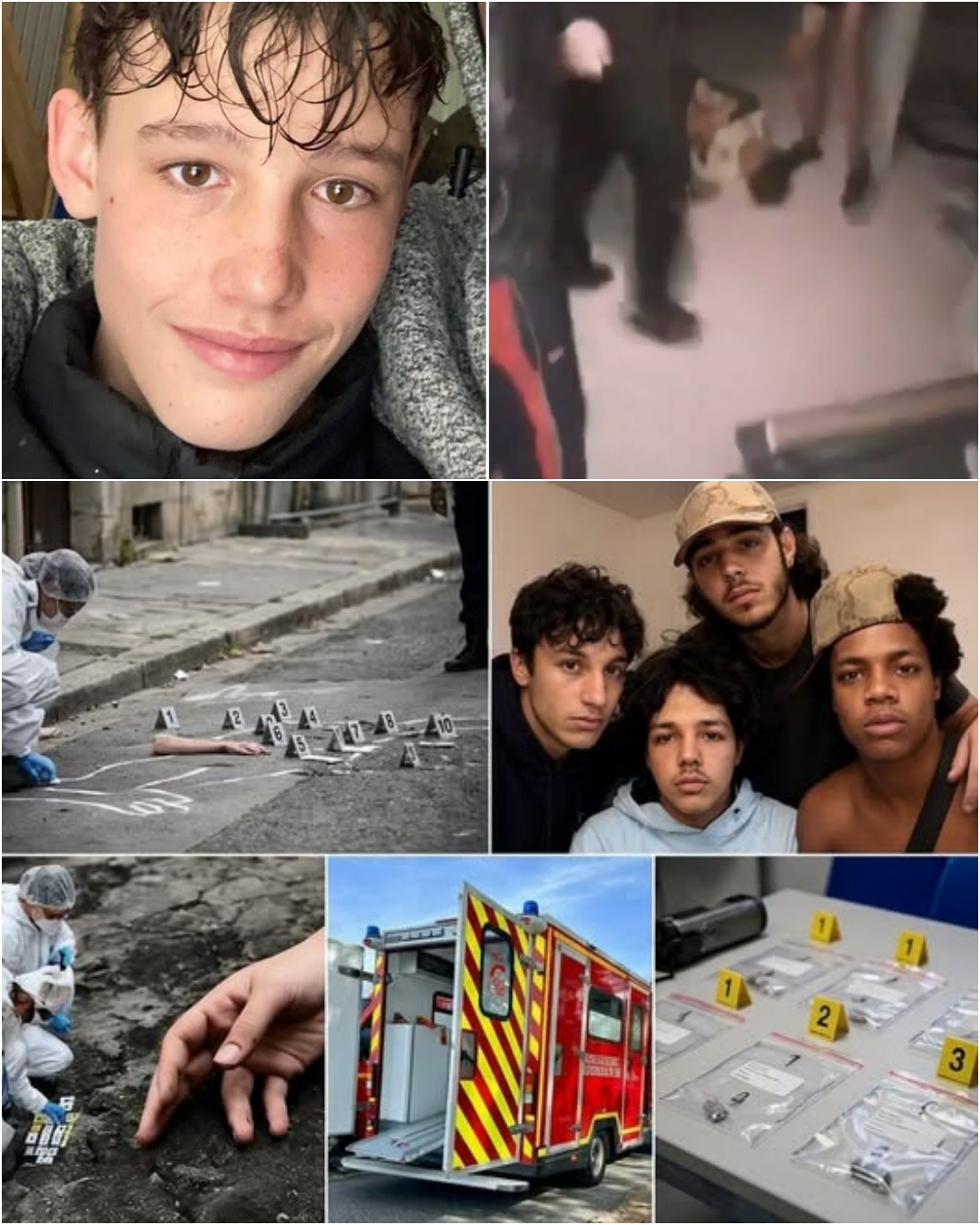
Why the forensic findings matter
The autopsy findings are likely to play a central role in the criminal investigation.
Forensic specialists can help investigators determine which injuries were most serious, how they may have been caused and whether the medical evidence is consistent with videos and witness statements.
The findings may also help establish the sequence of events. Investigators will examine whether the injuries occurred during one continuous confrontation or during multiple stages of the incident.
French reporting has indicated that several people appeared in recordings made at the construction site. However, determining who was responsible for particular injuries requires more than identifying who was visible in a video.
Authorities must establish the actions of each person, whether anyone attempted to stop the incident and whether individuals returned to the location after leaving.
These distinctions could influence how responsibility is assessed during future legal proceedings.
Five suspects remain in custody
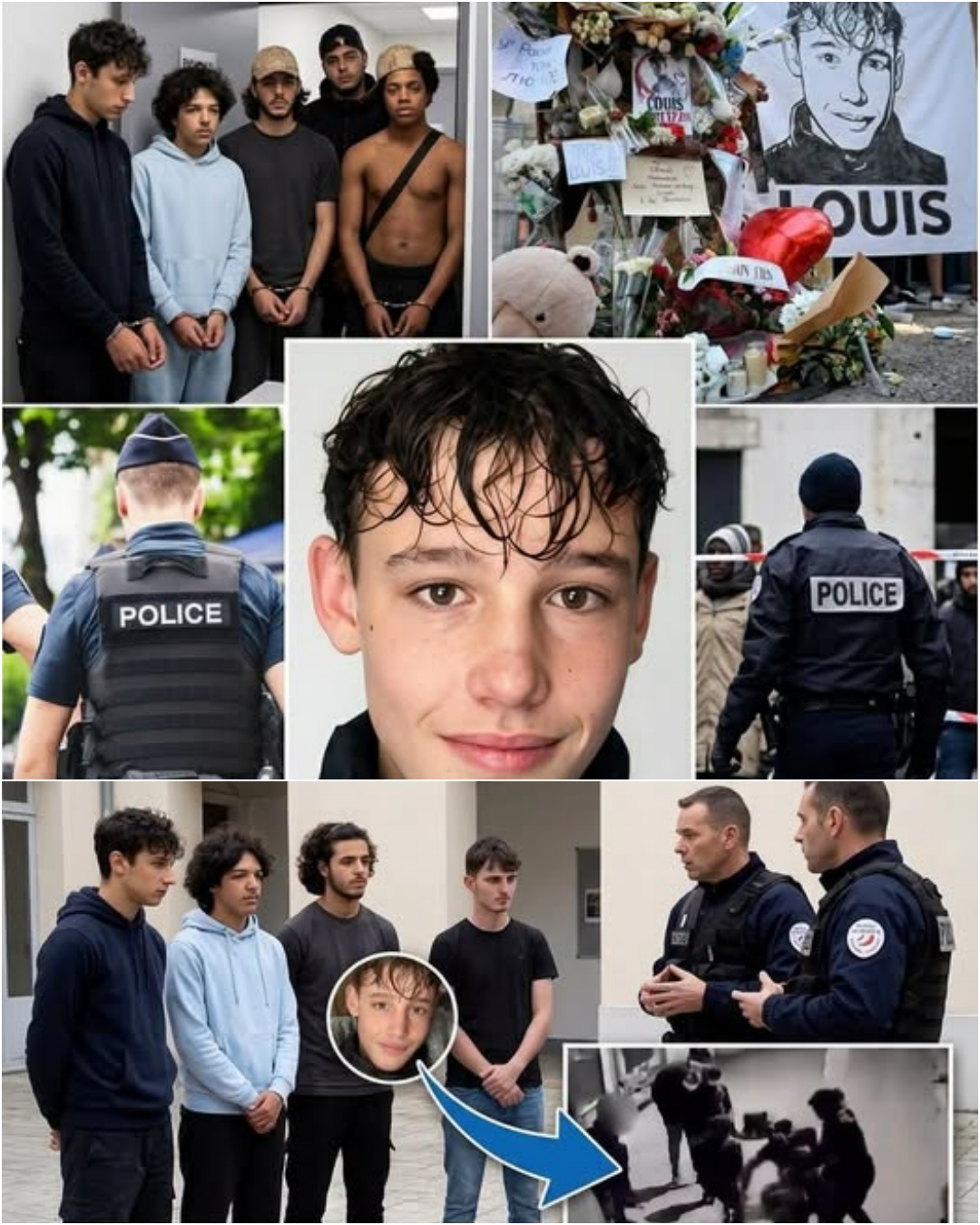
Five young suspects, including three minors, have been placed under formal investigation and held in pretrial detention.
Reports published after Louis’s death said the investigation was proceeding under the legal classification of assassination. In French criminal law, that classification generally requires prosecutors to establish an intentional killing involving prior planning or premeditation.
The existence of serious injuries does not automatically prove that every suspect had the same intention or level of participation. That is one of the main questions the investigating magistrates must resolve.
Authorities are expected to compare the autopsy findings with digital evidence, surveillance recordings, messages and statements provided during questioning.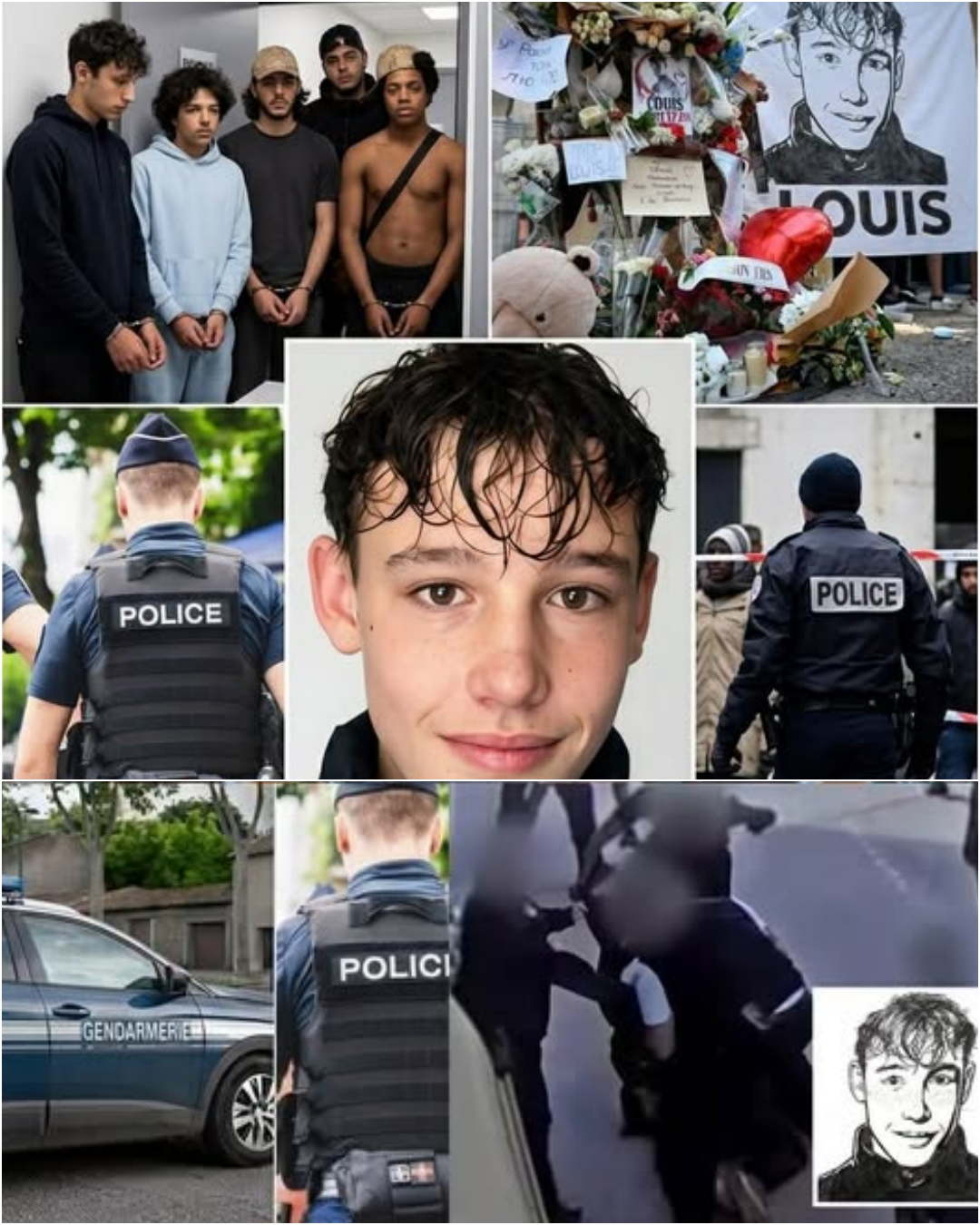
Questions remain unanswered
The exact motive has not been publicly established.
Prosecutor Jean-Philippe Rey previously stated that the evidence did not support claims of a racial motive. Officials have urged the public to avoid repeating rumors that could interfere with an already sensitive investigation.
Other unanswered questions include how Louis was persuaded to go to the construction site, whether the meeting had been planned and why emergency services were unable to locate him on the night the first video was reported.
For Louis’s relatives, the forensic findings confirm the seriousness of what happened but cannot answer the most painful question: why a 17-year-old teenager was left without immediate help at an isolated construction site.
The legal process is still at an early stage. All suspects remain entitled to the presumption of innocence, and no individual has yet been convicted.
Sources: La Dépêche du Midi, RTL and information attributed to investigators and forensic authorities.