Steps of Love: How One Mother’s Innovation Created a New Path of Movement for Children with Mobility Differences
Steps of Love: How One Mother’s Innovation Created a New Path of Movement for Children with Mobility Differences
When Debby Elnatan first received the diagnosis that her young son had cerebral palsy, the news came with a heavy weight of limitations. Medical professionals explained the vast challenges her child would face, particularly with the fundamental milestone of learning to walk. For many parents, such a diagnosis can feel like a definitive boundary, a sudden narrowing of the world and the experiences their child will be allowed to have. But instead of letting those predictions define her son’s future, Elnatan looked at her little boy and chose to focus entirely on what was possible.
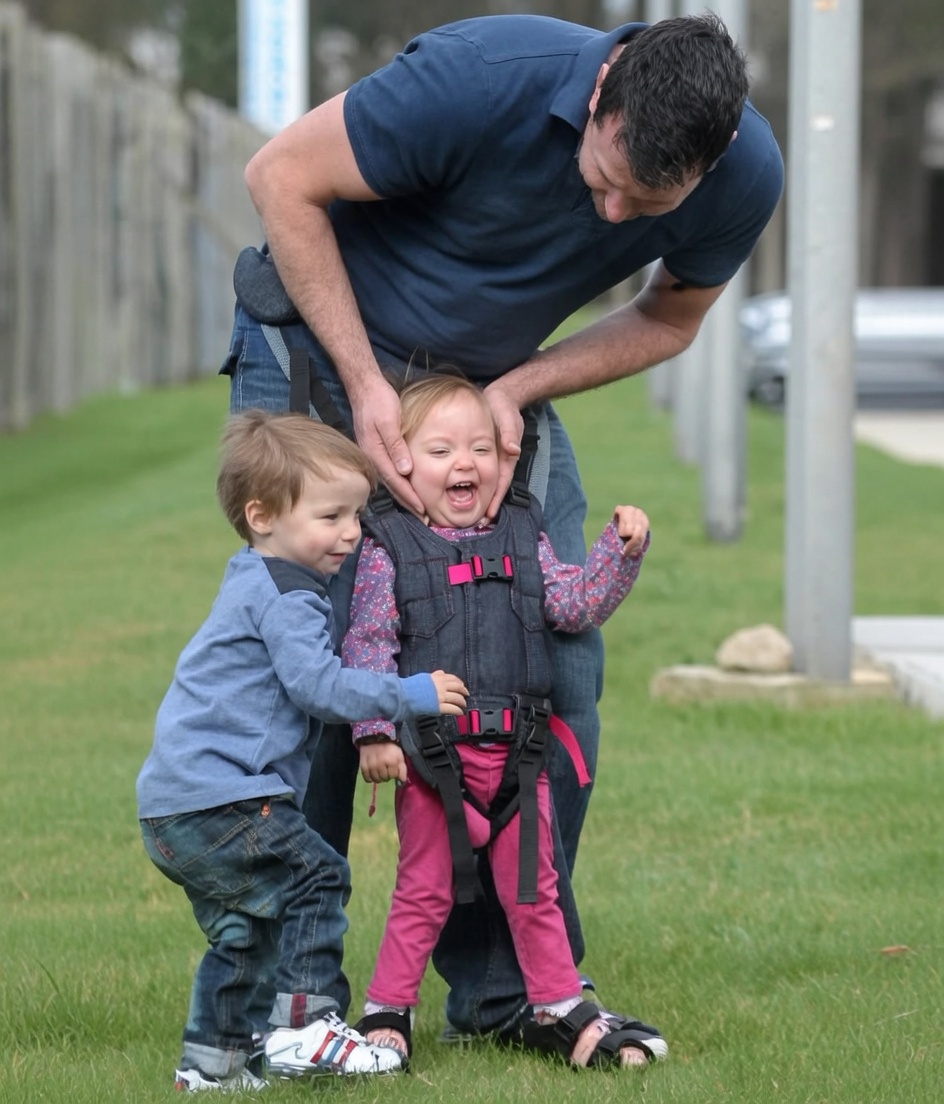
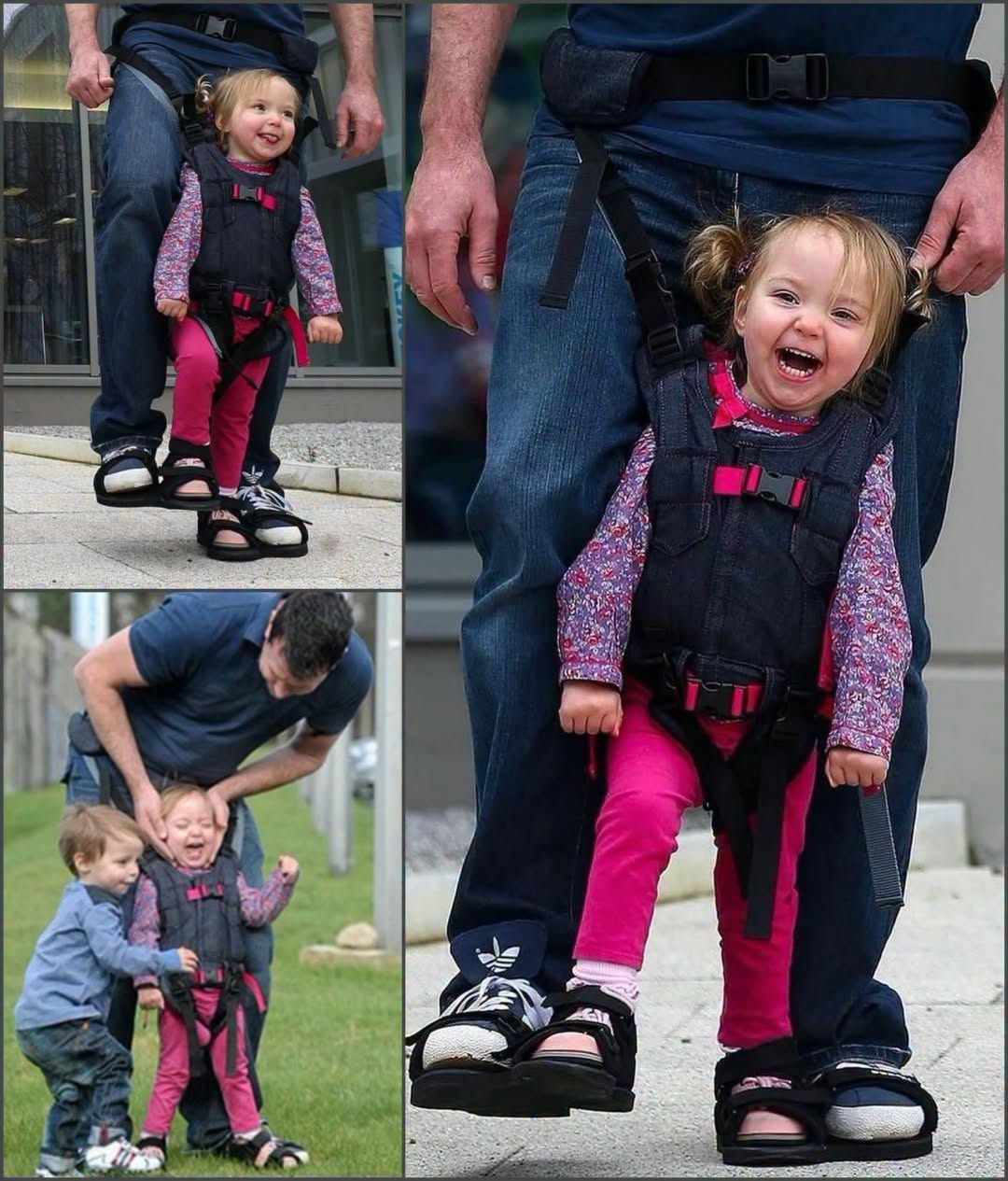
Rather than accepting a sedentary lifestyle for her son, she sought a way to let him experience the world from an upright perspective. She wanted him to feel the sensation of taking steps, of standing tall, and of exploring his surroundings not from a wheelchair, but side-by-side with his family. Driven by a mother’s fierce love, Elnatan began experimenting with various designs in her home. She eventually created a simple yet revolutionary harness system that bound her own legs to her son’s, allowing him to stand upright and walk in perfect sync with her own footsteps.
For the first time, her son was able to look people in the eye, kick a ball, and walk down the street, sharing in the everyday moments that most families take for granted. The sheer joy and physical benefits of this home invention were too profound to keep to herself. Elnatan’s brilliant, compassionate idea eventually caught the attention of clinical experts and was developed into a commercial product known as the Upsee.
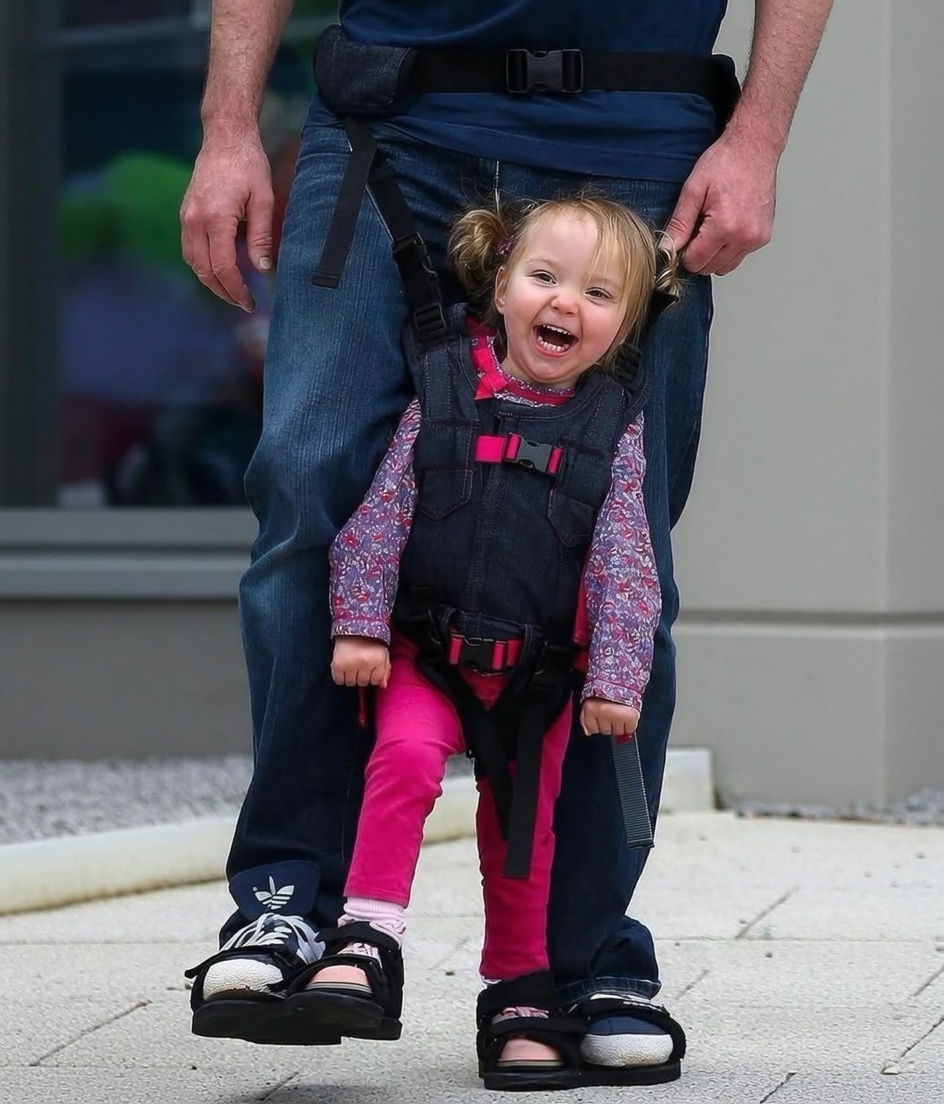
Today, this simple harness helps children with motor impairments all over the world take their very first steps. By enabling upright movement, the device does far more than improve physical mobility; it fosters a deep sense of emotional confidence, social inclusion, and independence. It stands as a beautiful testament to the power of a mother’s refusal to give up, proving that when we refuse to accept limitations, we can pave a brand-new path for those we love to explore the world.