The Quiet Legacy of Ann Dunham: How a Mother’s Belief in the Overlooked Shaped History
The Quiet Legacy of Ann Dunham: How a Mother’s Belief in the Overlooked Shaped History
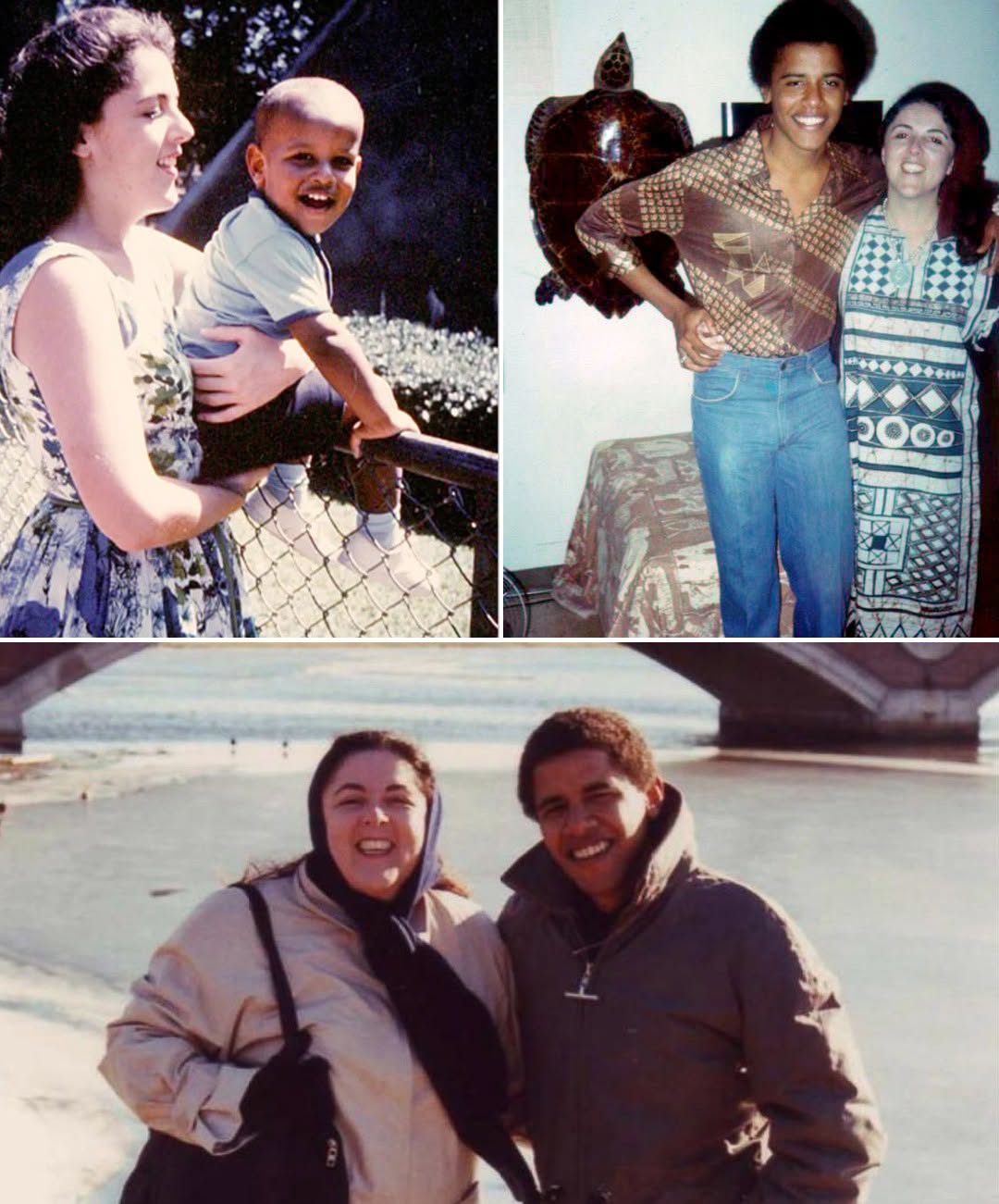
Long before Barack Obama became the 44th President of the United States, his mother, Stanley Ann Dunham, was quietly forging a path of her own. Giving birth to Barack in Honolulu at just eighteen, few could have anticipated the historic future awaiting her son, or the profound legacy she would leave behind in some of the world’s most overlooked corners.
In 1967, Ann moved to Jakarta, Indonesia, with her six-year-old son. Rather than retreating into expatriate insulation, she immersed herself deeply in local life. As an anthropologist, she spent years sitting in dusty village workshops beside blacksmiths, weavers, and market sellers, observing how resourceful families survived. Through this, she realized a fundamental truth: poor people were not lacking in intelligence, discipline, or ambition; they simply lacked access to opportunity.
Traditional banks ignored these hardworking individuals because the small loans they needed to buy tools or expand their market stalls were deemed unprofitable. Ann dedicated her career to changing this narrative, pioneering microfinance initiatives with organizations like the Ford Foundation and Bank Rakyat Indonesia to empower those who had long been excluded from the financial system.
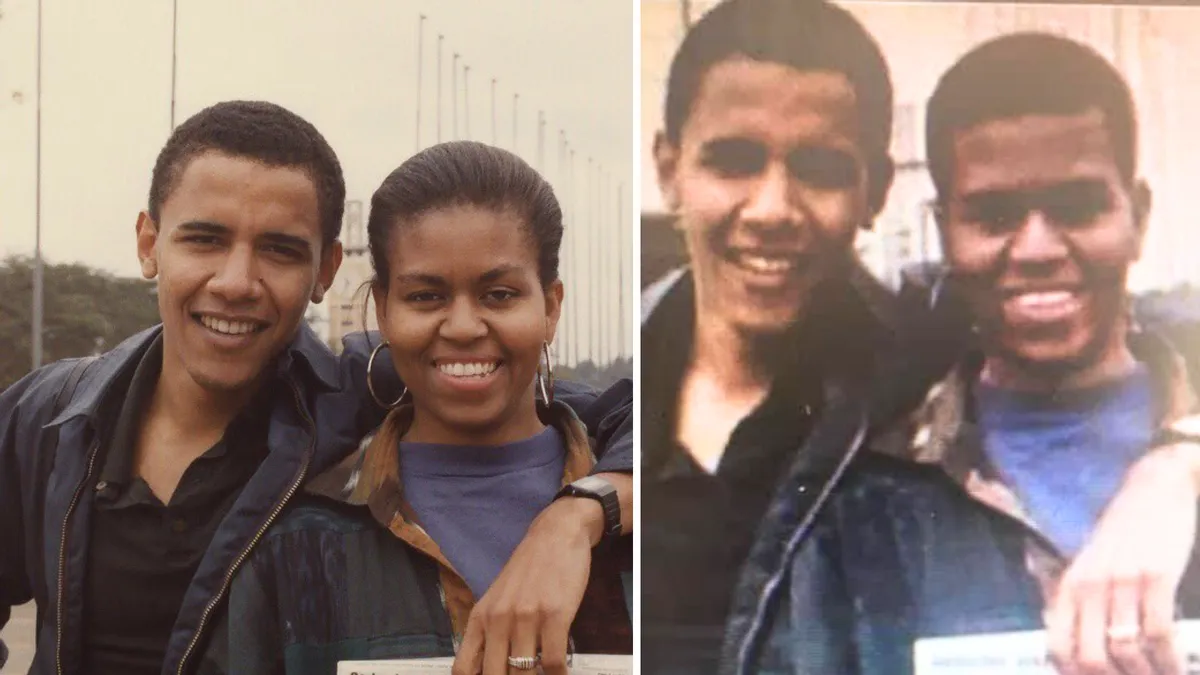
Ann earned her PhD in 1992 after years of balancing rigorous fieldwork with raising Barack and his sister Maya, but tragically passed away from cancer in 1995 at just 52. Though she never lived to see her son’s historic presidency, the values she lived—seeing dignity in everyone and never equating poverty with failure—became the very foundation of his journey, proving that a parent’s quiet convictions can shape history.