The Incredible Choice of Parents Who Refused to Give Up on Conjoined Twins Given a Five Percent Chance of Survival
The Incredible Choice of Parents Who Refused to Give Up on Conjoined Twins Given a Five Percent Chance of Survival
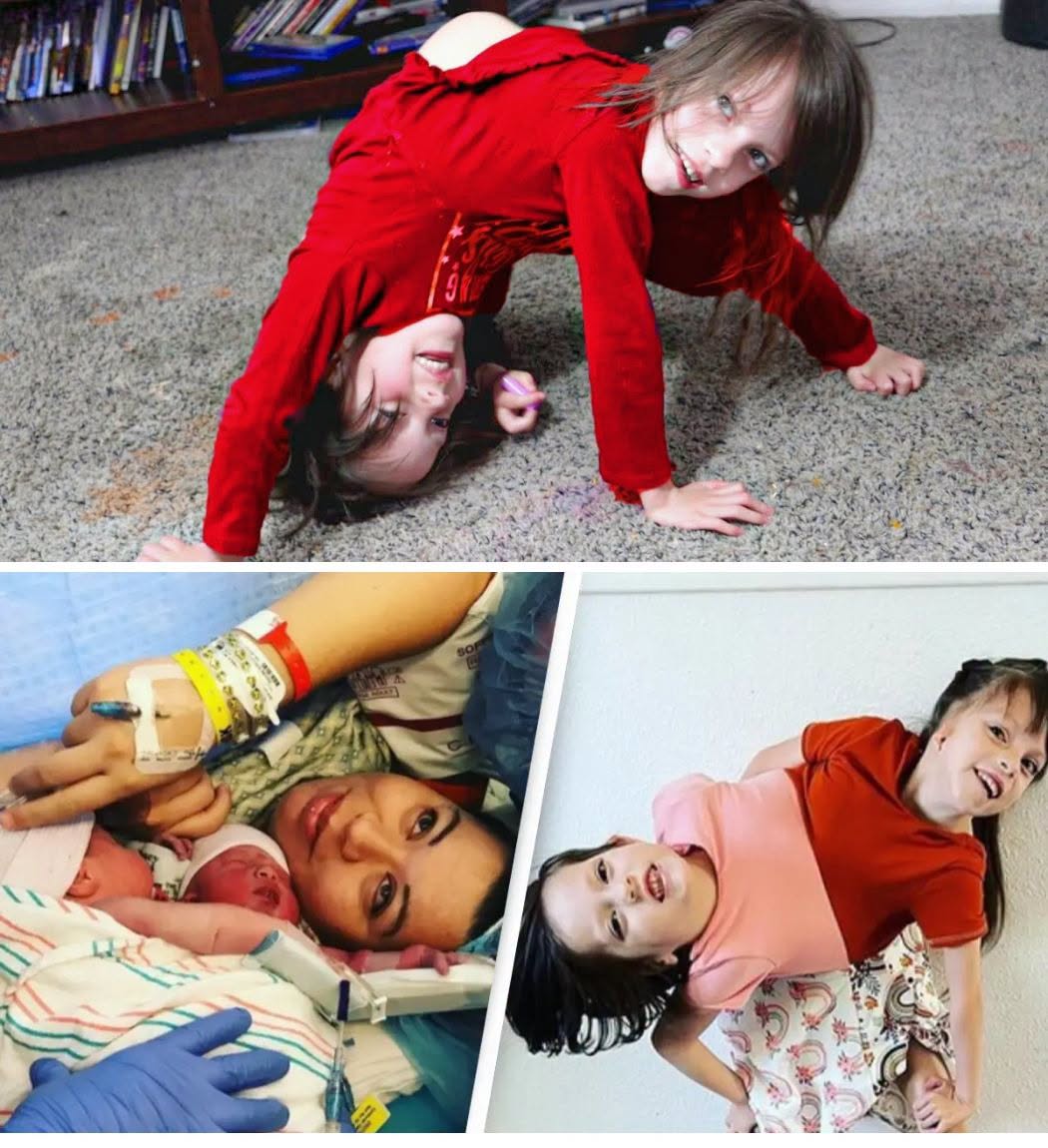
Nine years ago, a young couple from the small town of Blackfoot, Idaho, faced a medical reality that would completely shatter most families. Chelsea Torres, a twenty-three-year-old veterinary technician student, and her twenty-two-year-old husband, Nick, discovered they were expecting twins. However, the initial joy of the pregnancy was instantly eclipsed by a devastating diagnosis. The babies were conjoined, specifically presenting a condition known as omphalo-ischiopagus, an incredibly rare form of connection that affects fewer than five percent of all conjoined twins worldwide. Medical professionals offered a bleak prognosis, stating that only forty to sixty percent of such twins survive birth, and gave the girls a mere five percent chance of living past their first twenty-four hours.
The emotional journey leading up to this point had already been a grueling rollercoaster. Early in the pregnancy, Chelsea was mistakenly told she was miscarrying, only to discover a heartbeat weeks later. The relief was short-lived when follow-up ultrasounds at ten weeks confirmed the babies were fused together. Facing the impossible, Nick later admitted that they briefly considered terminating the pregnancy, crushed by the agonizing thought of carrying babies for nine months only to watch them pass away immediately. Yet, Chelsea felt a profound maternal instinct pulling at her heart. She resolved that if her babies were fighting to exist, she would fight alongside them.
Choosing life did not mean living in denial. Out of sheer self-protection against potential grief, the couple refused to buy a single baby item—no clothes, no blankets, no onesies—dreading the thought of returning to an empty nursery. The logistical and financial toll was immense. Chelsea put her education on hold, and because their local medical facilities were unequipped for such a complex delivery, the family had to relocate to Texas Children’s Hospital in Houston at twenty weeks. They uprooted their three-year-old son, Jason, who had previously survived his own traumatic, near-fatal birth, and navigated the terrifying financial reality of out-of-state medical care, knowing their previous NICU experiences had easily racked up hundreds of thousands of dollars.
On January 30, 2017, at thirty-six weeks and six days, Chelsea underwent a specialized C-section. The moment Callie and Carter Torres arrived, they defied the grim twenty-four-hour expiration date doctors had predicted. Though Carter required a ventilator for just two hours to stabilize, both girls were breathing, fighting, and thriving. In those early days, the original roadmap for the family seemed clear: undergo separation surgery at the specialized Houston facility, navigate the recovery, and eventually return home to Idaho.

However, as the medical team began detailed anatomical mapping to prepare for the operation, the specialists uncovered a structural reality that changed everything. Callie and Carter shared an incredibly intricate web of vital organs and vasculature, making a physical separation far more dangerous than staying together. Confronted with the choice between a highly risky surgery that could claim the life of one or both daughters, or embracing a life uniquely intertwined, the parents made another monumental decision. They chose to skip the separation, dedicating themselves to raising their daughters just as they were born. Today, Callie and Carter continue to grow, outliving every statistical limitation and proving that the fiercest victories often come from a mother’s refusal to surrender.