Empowering the Future of Prosthetics: How Tilly Lockey Defied the Odds to Help Design the Next Generation of Bionic Technology
Empowering the Future of Prosthetics: How Tilly Lockey Defied the Odds to Help Design the Next Generation of Bionic Technology
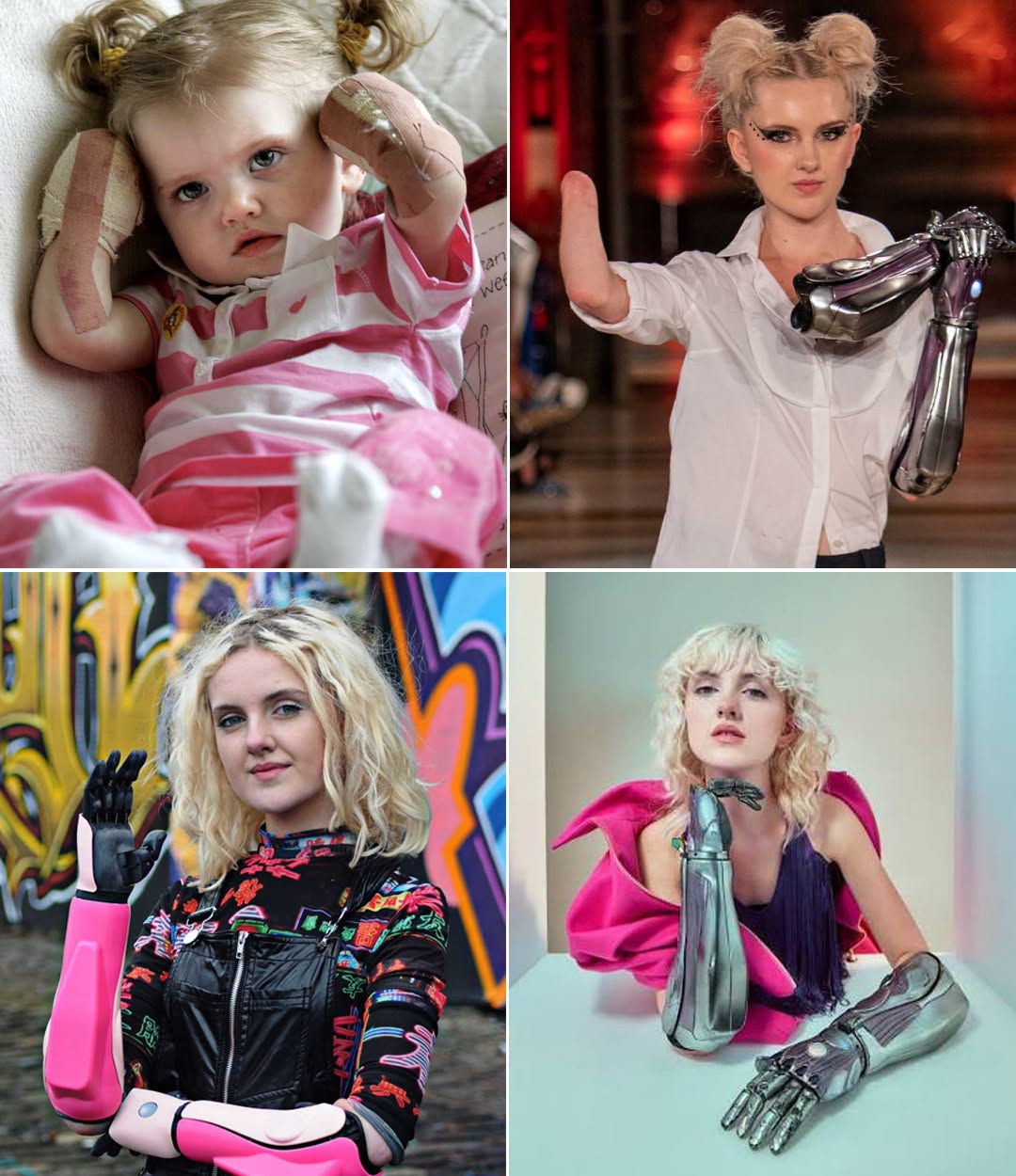
At just fifteen months old, Tilly Lockey was given almost no chance of survival after contracting meningococcal septicaemia. The severe illness ultimately led to the amputation of both of her forearms and her toes. While her family was warned to prepare for the worst, Tilly survived. As she grew, she made a conscious choice never to hide her limb difference, embracing her reality with a fierce sense of independence. The early prosthetic options available to her as a child were frustratingly limited, offering basic open-and-close mechanisms that lacked the nuance needed for everyday tasks.
Determined to find a better solution, Tilly began a decade-long partnership with the British robotics company Open Bionics. Serving as a dedicated tester and advocate, she provided engineers with crucial, real-world feedback on comfort, speed, and weight—nuances that could only be understood by someone using the technology daily. This collaborative effort culminated in the unveiling of the Hero PRO, a groundbreaking bionic system that seamlessly bridges the gap between human intent and robotic execution.
The advanced system operates via wireless sensors embedded inside the prosthetic socket, which detect the natural electrical signals generated when Tilly contracts her arm muscles. These signals are instantly translated into fluid, intuitive finger movements without the need for invasive brain implants. The technology is so sophisticated that the wireless connection allows Tilly to remove a hand, place it on a surface, and continue controlling it from a distance. During live demonstrations, the detached hand can even respond to her muscle commands across a room, showcasing a level of responsiveness previously confined to science fiction.
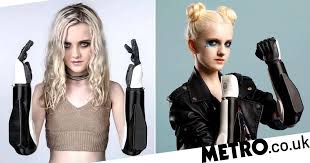
Engineered with seven distinct grip modes and a manual rotating wrist, the Hero PRO can close its fingers in a mere 0.6 seconds. Furthermore, the design is water-resistant, allowing users to engage in daily activities without the constant fear of damaging delicate electronics. Open Bionics spent four years refining this model, utilizing data from nearly 1,000 prosthetic users, with Tilly at the forefront of the development process. Her journey from a toddler fighting for survival to a young woman co-authoring the future of assistive technology serves as a powerful testament to human resilience and collaborative innovation.