‘YOU ARE NEVER TOO OLD TO HAVE A BABY’: THE DOCTOR WHO HELPED A 72-YEAR-OLD WOMAN WELCOME HER MIRACLE BABY
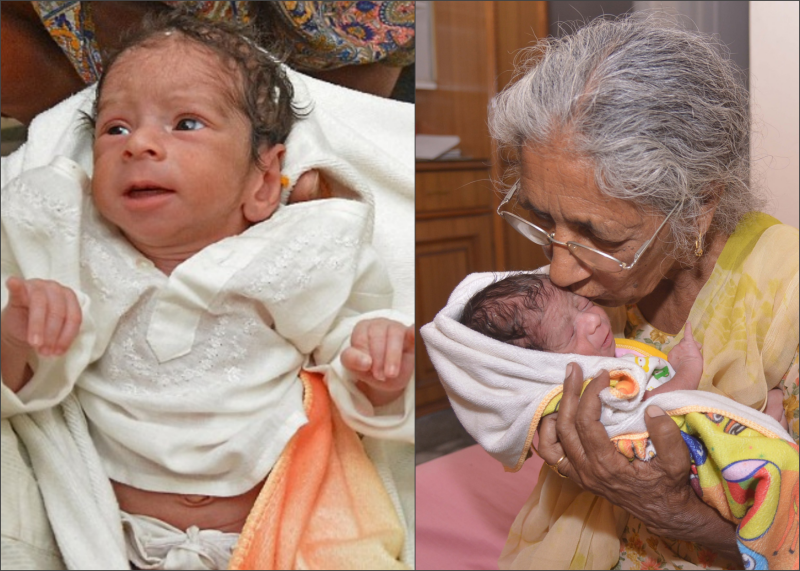
Doctors in India have raised concerns about IVF treatment after a couple in their 70s welcomed their first child following 46 years of marriage.
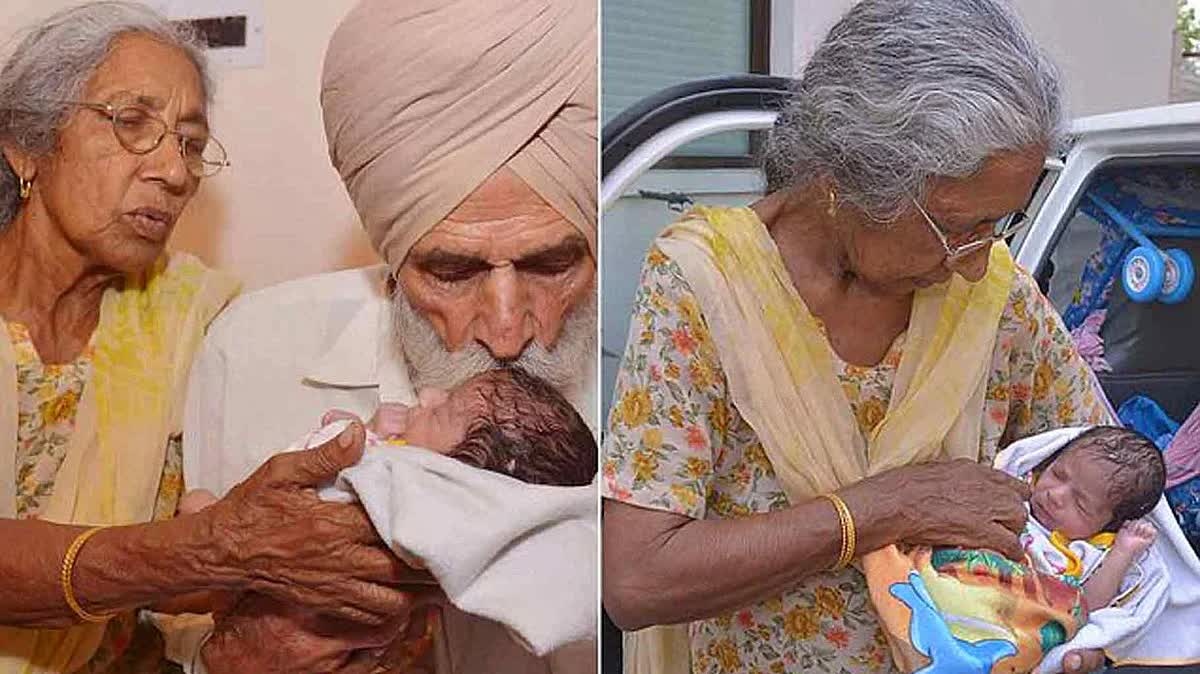
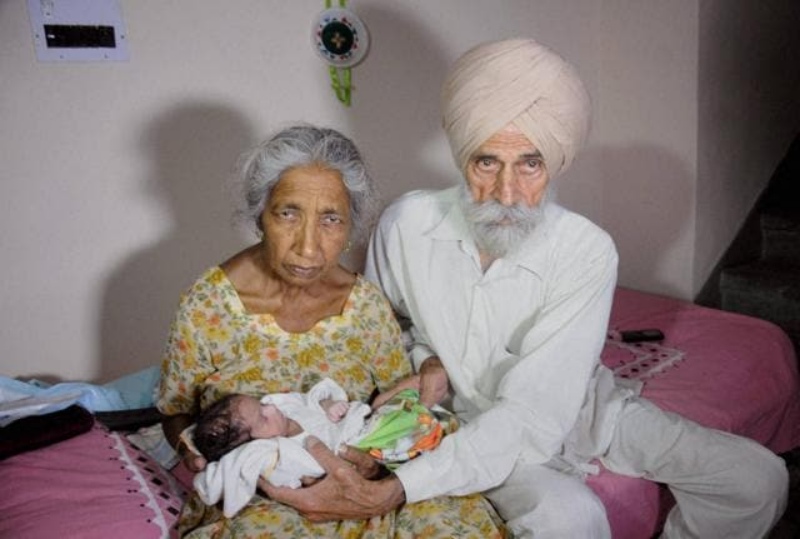
Daljinder Kaur, who had no birth certificate but was believed to be 72 at the time, gave birth to a healthy baby boy after two years of fertility treatment using a donor egg at a clinic in the northern state of Haryana.
Mrs. Kaur and her husband, Mohinder Singh Gill, named their son Arman, who was born healthy, weighing 2kg.
India has no legal age limit for couples seeking IVF treatment, although the government-funded Indian Council of Medical Research (ICMR) recommends that embryos should not be transferred to women over the age of 50.
Dr. Kamini Rao, a leading obstetrician and gynecologist, said she would not have performed the procedure for Mrs. Kaur.
“At Kaur’s age, the body faces enormous challenges during pregnancy. And even if the pregnancy is successful, what will her quality of life be like? Will she be able to wake up in the middle of the night to change her baby’s diaper?” she said.
“Doctors should not provide IVF treatment in a way that may compromise a child’s future. It can also create unrealistic expectations for other couples who may spend large amounts of money on these costly procedures. Apart from the doctors, who truly benefits?”
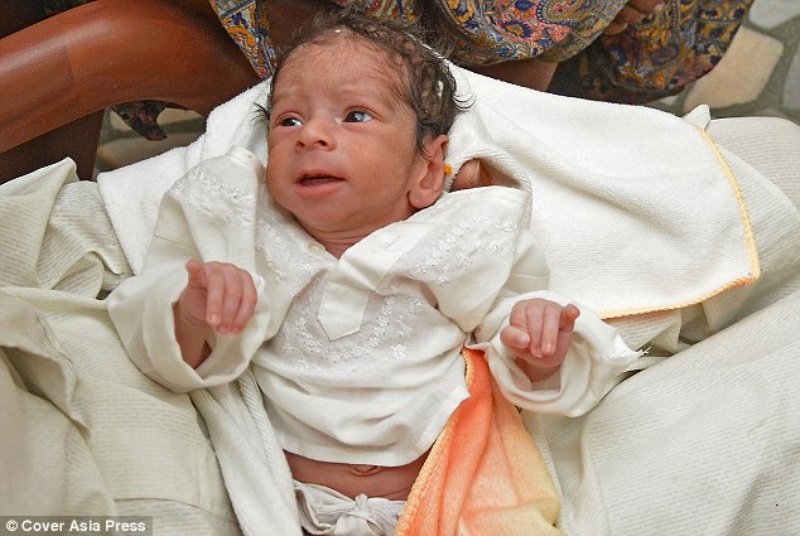
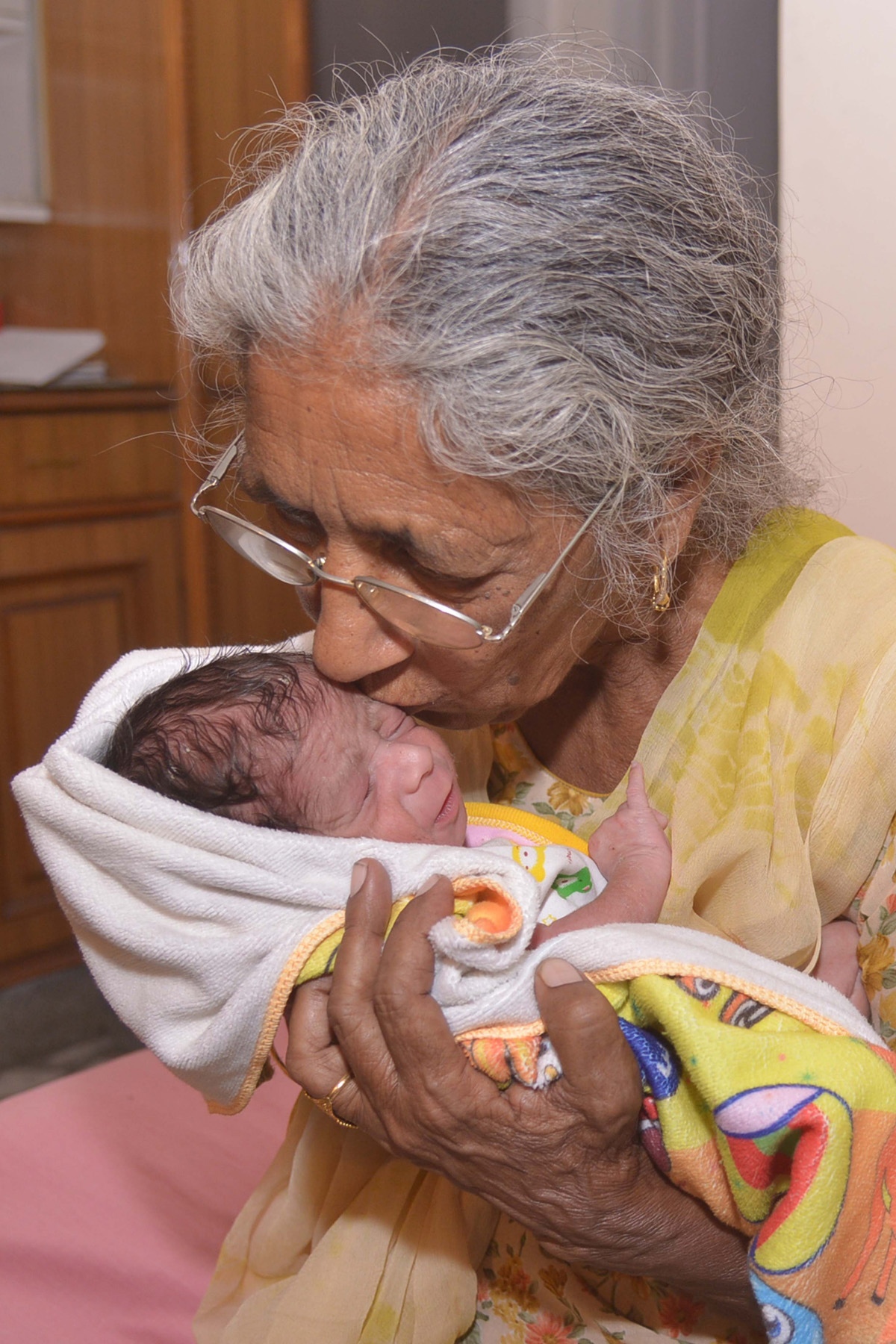
One year after the widely discussed birth, the woman who became a mother in her 70s admitted that parenthood was far more demanding than she had expected.
The 73-year-old told Cover Asia Press that she had developed high 𝖻𝗅𝗈𝗈𝖽 pressure and weakened joints after giving birth. However, she said she had no regrets about welcoming her son.
“Ever since he started crawling, I’ve had to crawl on my hands and knees to keep up with him. It’s exhausting. My body just can’t handle it. It’s much harder than I ever imagined. My blood pressure has been affected, and now I get tired very easily. I’ve seen many doctors, but they can only give me medication and recommend a healthy diet. I worry about Armaan. I have to look after my own health while also taking care of him.”

Mrs. Kaur and her husband, Mohinder Singh Gill, an 80-year-old farmer, welcomed their son through IVF after 46 years of trying unsuccessfully to have a child without medical assistance.
For most of their lives, they could not afford fertility treatment and had almost given up hope of becoming parents.
But when Mrs. Kaur was in her late 60s, she saw an advertisement for IVF. After receiving money from inherited land, she felt hopeful once again.
“When we saw the advertisement for IVF, we thought we should try because I had always wanted a child of my own,” Mrs. Kaur said.
Their fertility specialist, Dr. Bishnoi, said he was initially hesitant to help the couple because they appeared too physically fragile to take on a pregnancy. However, comprehensive medical evaluations showed otherwise.
“At first, I wanted to avoid taking this case because she seemed very weak,” he said. “But after extensive medical examinations, all of her results were normal, and she was considered medically fit for pregnancy.”
He added that the pregnancy did not present any greater medical risk for Mrs. Kaur than it would for many middle-aged women.
IVF age guidelines around the world
Rules surrounding IVF treatment vary from country to country.
In the UK, the National Institute for Health and Care Excellence (NICE) recommends that NHS fertility clinics do not offer IVF to women over the age of 43—a guideline similar to those followed in Japan, Israel, and several European countries. However, women who are not eligible for NHS treatment may choose private clinics, which are not bound by NICE recommendations and often provide donor eggs.
The Human Fertilisation and Embryology Authority (HFEA), which regulates fertility treatment in the UK, does not set a strict upper age limit. Instead, clinics make decisions based on the health and wellbeing of both the mother and baby, meaning treatment is generally provided to women under 45. There have been exceptions, including Sharon Cutts, who welcomed triplets at the age of 55 after reportedly receiving treatment at a private clinic in London.
In the United States, fertility treatment is subject to relatively few regulations and is generally not publicly funded. Physicians typically make decisions based on their professional judgment, ethical considerations, and medical suitability.
Source: The Guardian, Independent