BABY GIRL IDA LOCK LOST AFTER A 𝖡𝖱𝖠𝖨𝖭 𝖨𝖭𝖩𝖴𝖱𝖸, CORONER SAYS BASIC CARE WAS MISSED DURING BIRTH
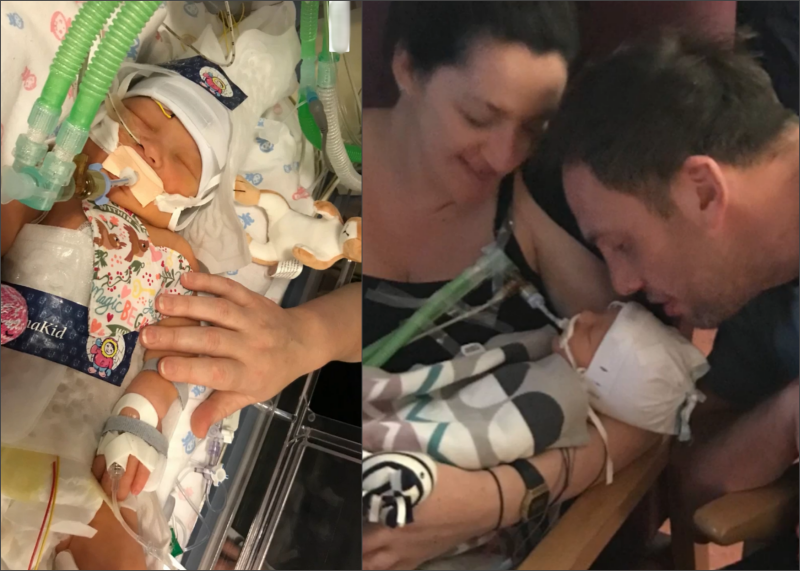
A baby girl passed away after suffering a serious brain injury because basic medical care was not provided, a coroner has concluded.
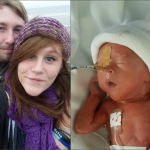
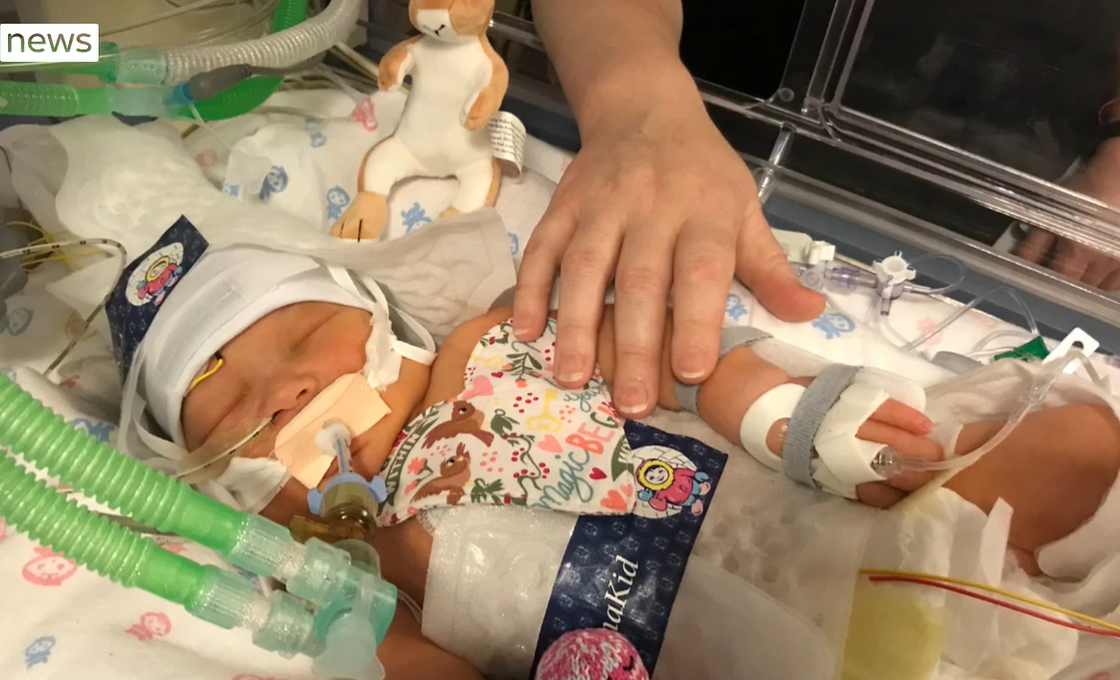
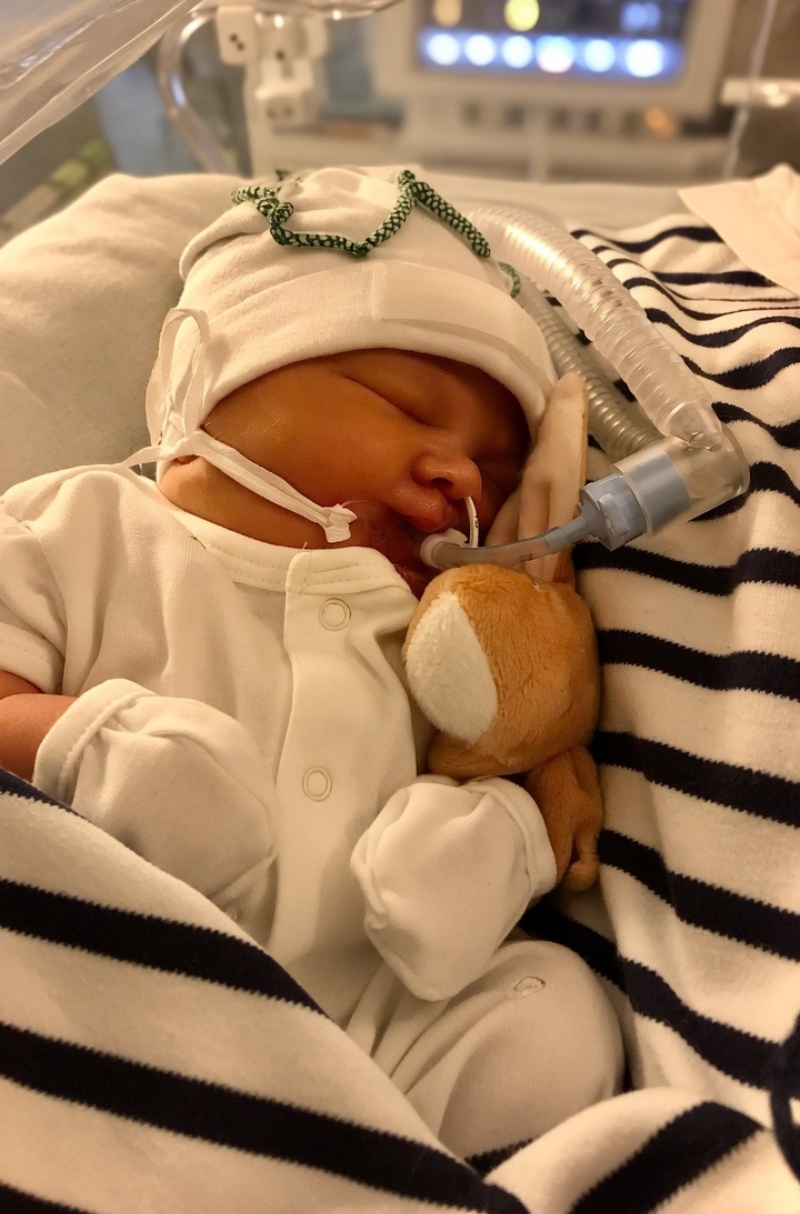
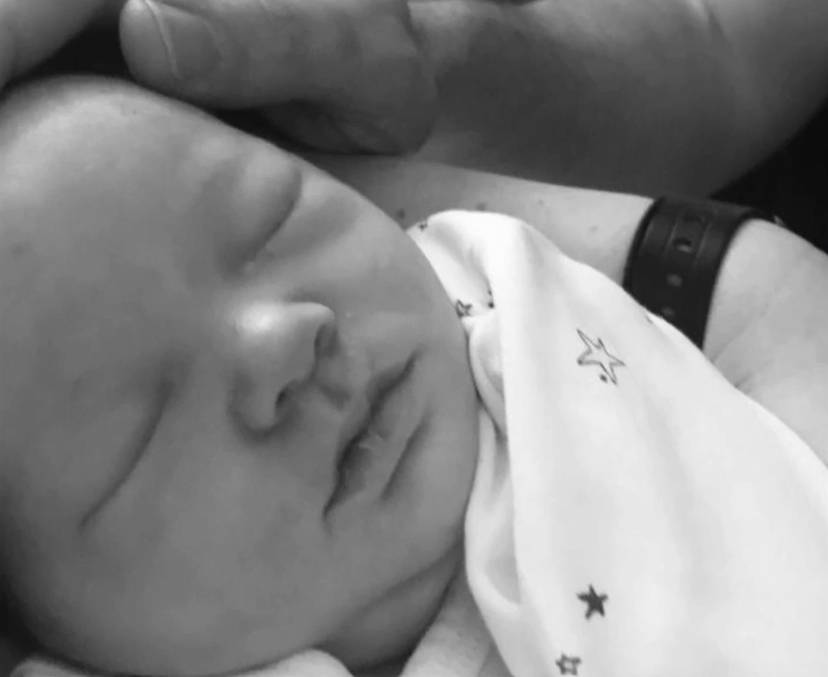
Ida Lock, who lived for just seven days, was born at the Royal Lancaster Infirmary in November but experienced a brain injury caused by a lack of oxygen.
She was transferred to intensive care at Royal Preston Hospital’s neonatal unit, where she passed away a week later on November 16.
Ever since her passing, Ida’s heartbroken parents, Ryan Lock and Sarah Robinson, have been searching for answers.
Mr. Lock said the hospital trust “put up a huge wall” when they tried to understand what had happened.
Ms. Robinson said she was made to feel as though she was to blame.
“It was awful. It was so tough. My world had fallen apart, and I couldn’t figure out what had gone wrong or what I’d missed.”
An initial investigation carried out by the University Hospitals of Morecambe Bay NHS Trust found no concerns with her delivery.
However, in April, a report from the independent Healthcare Safety Investigation Branch (HSIB) identified numerous shortcomings in Ida’s care that contributed to her passing, the hearing at County Hall, Preston, had previously heard.
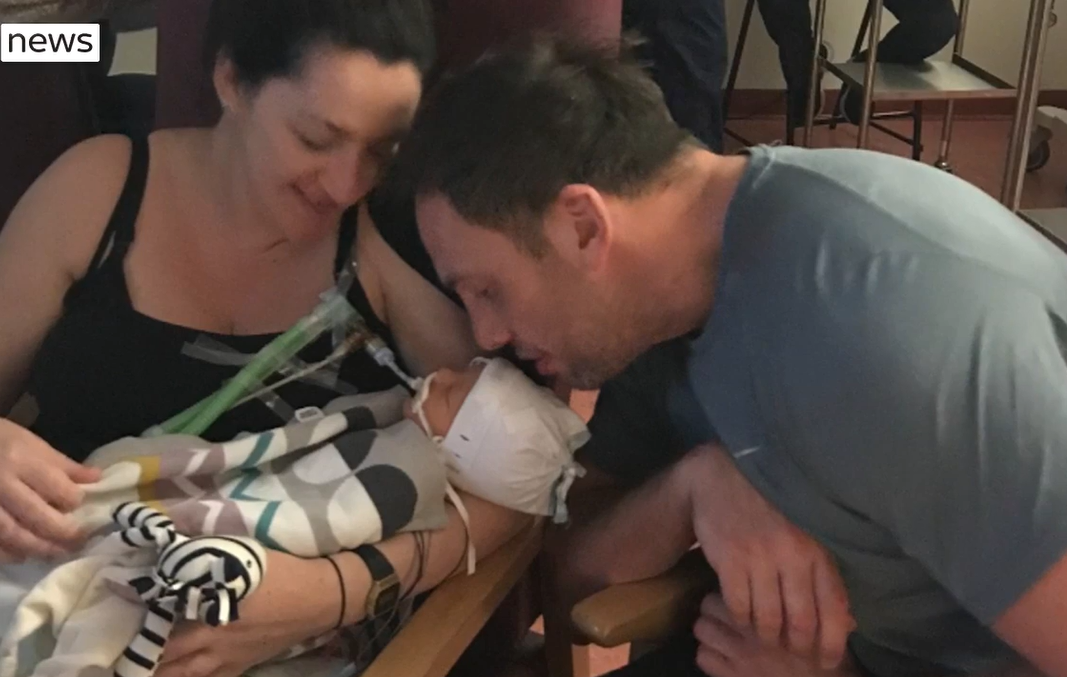
Ms. Robinson said: “That’s what hurts, because of all the time we’ve spent trying to get these answers. All along, people had those answers. People knew, but they didn’t share them with us.”
The HSIB concluded that midwives did not identify an abnormally slow fetal heart rate after Ms. Robinson attended in early labor, and that the care provided immediately after birth was not effective.
This trust has faced significant criticism in the past.
A review into maternity care at Morecambe Bay in 2015 found that 11 babies and one mother had lost their lives following inadequate care.
The report’s author, Dr. Bill Kirkup, gave evidence at the inquest and told Sky News it is “unforgivable” that lessons have not been learned.
He also chaired an investigation into maternity services in East Kent and identified repeated and significant shortcomings.
“These are not problems of isolated units, and it’s not a particular rogue unit that we’re talking about here. It’s a very widespread failure of culture in maternity services,” said Dr. Kirkup.
The national maternity inspection programme carried out by the healthcare regulator, the Care Quality Commission (CQC), assessed more than 130 units.
Its safety ratings found that 65% were rated either “inadequate” or “requires improvement.”
Mr. Lock believes there must be a change in culture.
He said: “There needs to be more accountability. If people feel they can get away with hiding the truth and avoiding responsibility, then they’re going to continue doing that.”
Ms. Robinson has since welcomed another baby daughter but says her mental well-being has been deeply affected.
“It’s changed me as a person. Five years on, the anxiety and stress are still constant. No one was open and honest with us. No parent should have to go through that.”
Source: News Sky