AEON Mall Kumamoto Faces New Disaster a Decade After the 2016 Earthquakes
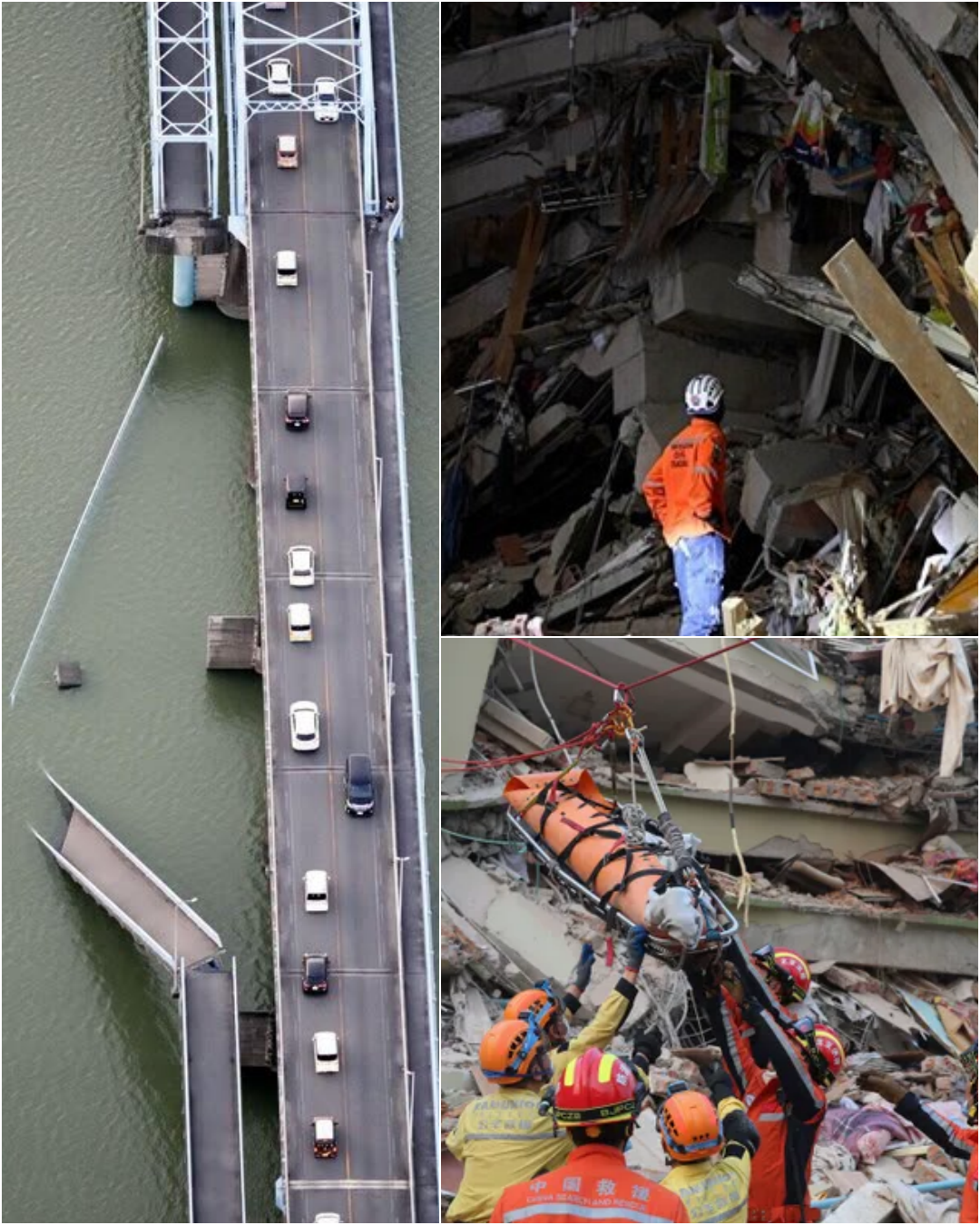
AEON Mall Kumamoto, a major shopping and community center that previously survived the destructive 2016 Kumamoto earthquakes, has again suffered severe damage following a powerful new earthquake.
For residents of Kumamoto Prefecture, AEON Mall Kumamoto is more than a collection of shops and restaurants. The center has served as a major commercial and community destination since opening in 2005.
The property contains around 200 stores and is located in Kashima, south of Kumamoto City. Like many buildings in the region, it was affected by the major Kumamoto earthquakes of April 2016 and was forced to close temporarily.
After repairs and years of continued operation, the mall underwent further renewal work. In 2024, AEON announced a major renovation involving dozens of stores, with improvements scheduled to continue into the following year.
The company presented the work as part of the mall’s continuing development after years of support from the local community.
That recovery was shattered on July 28, 2026.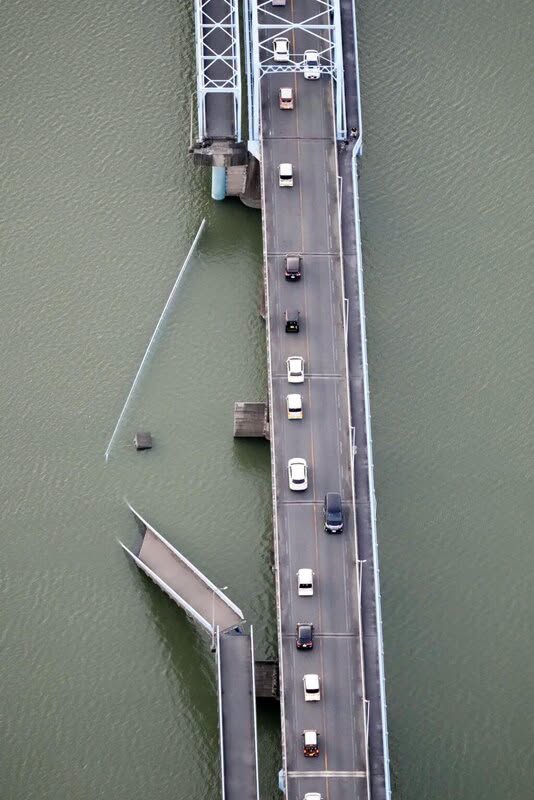
At approximately 4:27 p.m., a powerful earthquake struck Kumamoto Prefecture. The Japan Meteorological Agency measured the event at magnitude 7.1, with a shallow depth of around 10 kilometers.
The earthquake reached level 7, the highest category on Japan’s seismic intensity scale, in the hardest-hit areas.
Customers and employees were evacuated from AEON Mall Kumamoto following the initial shaking. Later, an explosion tore away a large section of one side of the building.
Images showed exposed structural beams, collapsed walls and debris spread across the parking area. The damage transformed a familiar regional landmark into one of the central scenes of the disaster.
Emergency crews searched the damaged building overnight. Eight people were brought out during the operation.
Two women in their twenties were confirmed to have lost their lives. Another person was reported to be in cardiopulmonary arrest, while five injured people were not considered to be in life-threatening condition.
Questions remain about why the explosion occurred after the earthquake. Authorities were examining the possibility that damaged gas equipment or leaking gas contributed to the incident.
However, both AEON and emergency officials said the precise cause had not been established. A complete investigation will require inspections of gas systems, electrical equipment and the mall’s structural condition.
The incident has revived memories of the 2016 Kumamoto earthquake sequence. Those earthquakes claimed 275 lives, injured thousands and damaged homes, roads and historic structures, including sections of Kumamoto Castle.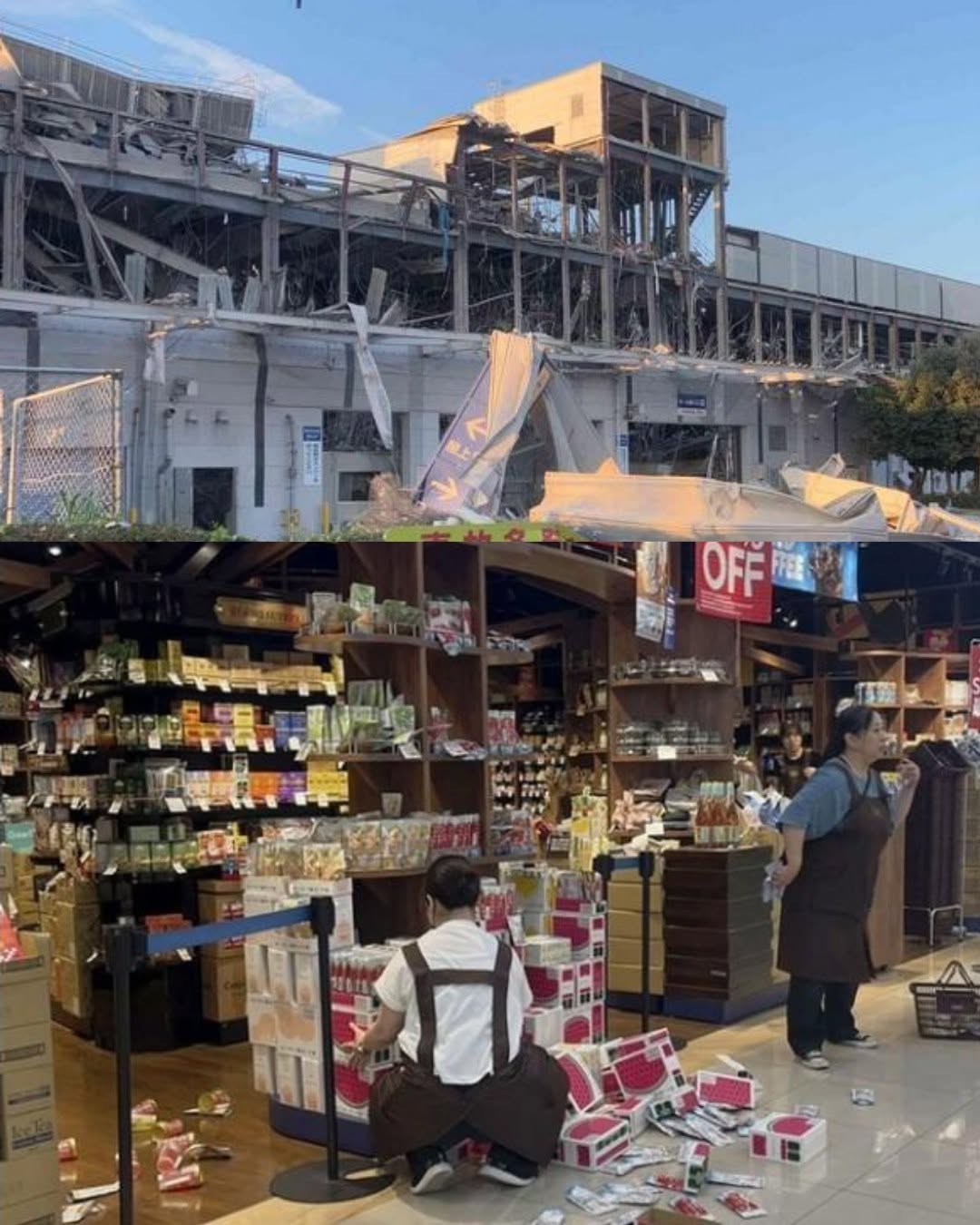
AEON Mall Kumamoto was among the businesses that had to suspend operations after the earlier disaster.
The mall’s future is now uncertain. Before any reopening can be considered, authorities will need to complete rescue operations and determine whether surviving sections of the building remain structurally stable.
Engineers will also need to assess foundations, support columns, ceilings, exterior walls and utility systems. Areas that appear intact from outside may still contain hidden damage caused by severe ground movement.
Beyond its commercial role, the mall provided employment and daily services to surrounding communities. A prolonged closure could affect store employees, local suppliers and families who depend on the center for shopping and essential services.
The disaster may also renew national debate about earthquake resilience in large public buildings. Japan maintains some of the world’s strictest seismic construction standards, but powerful earthquakes can damage gas lines, ceilings, exterior panels and equipment even when a building’s primary frame remains standing.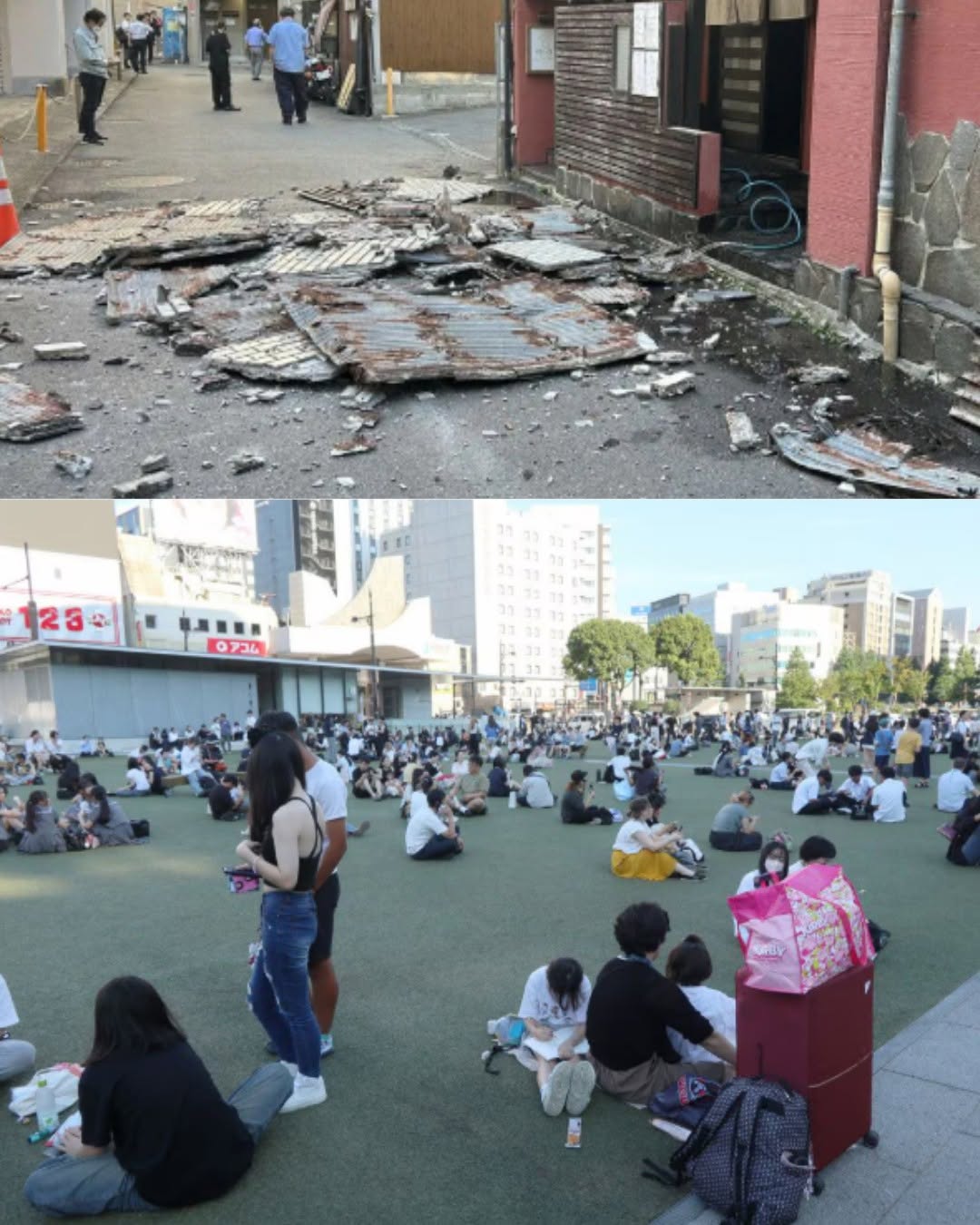
For now, the focus remains on the people affected by the disaster. Emergency workers are continuing their searches, families are waiting for information and thousands of residents remain under evacuation instructions.
AEON Mall Kumamoto once represented recovery from the earthquakes of 2016. After the events of July 28, 2026, the shopping center and the surrounding community face another difficult period of rescue, investigation and rebuilding.