When a Heated Political Confrontation Went Viral, America Found Itself Arguing About More Than Just Immigration
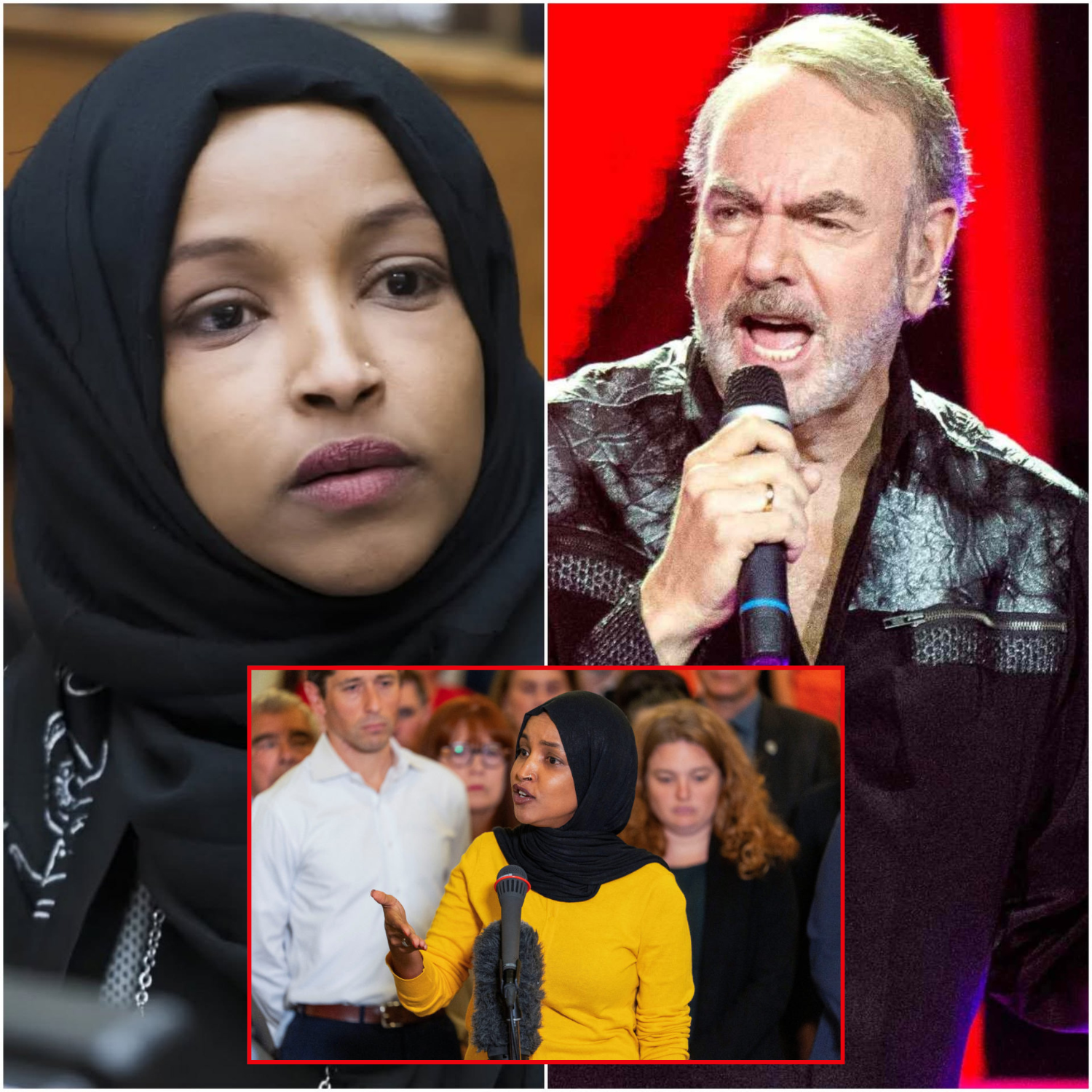
What began as a tense political exchange quickly turned into something much larger. Within hours, clips, screenshots, and passionate commentary spread across social media, transforming a single confrontation into a nationwide conversation about patriotism, immigration, and the limits of free expression.
For supporters, the moment represented a forceful defense of national identity and civic responsibility. For critics, it raised concerns about who gets to define patriotism and whether political disagreement is increasingly being framed as disloyalty.
As the debate intensified, it became clear that the controversy was no longer just about the individuals involved. Instead, it reflected some of the deepest political and cultural divisions shaping the United States today.
At the center of the dispute were outspoken conservative voices and Representative Ilhan Omar, the Somali-born congresswoman from Minnesota who has long been one of the country’s most polarizing political figures. Her positions on immigration, foreign policy, and American institutions have frequently drawn both admiration and fierce criticism.
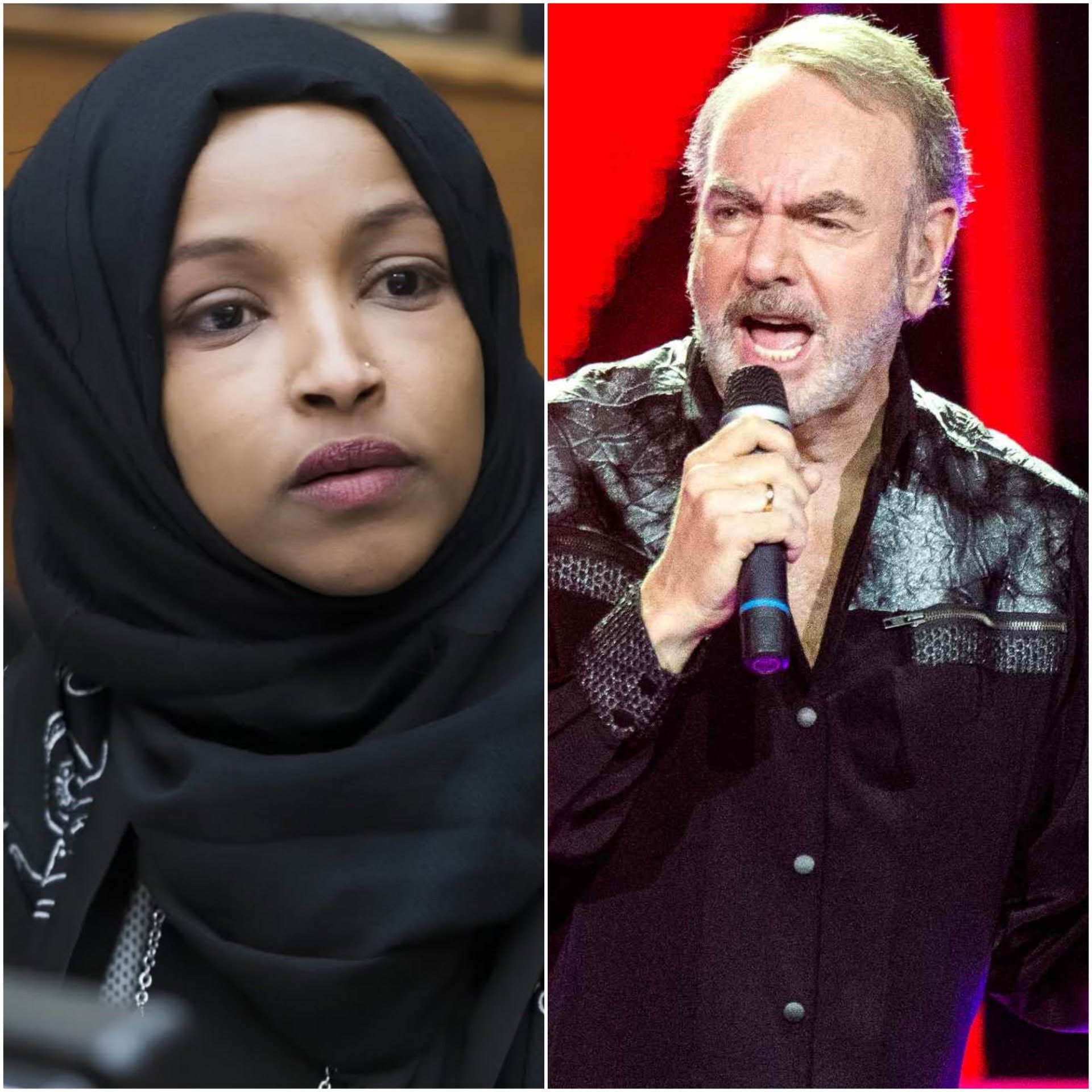
The viral confrontation focused on those longstanding disagreements.
During the exchange, criticism centered on immigration, national identity, and whether elected officials who sharply criticize the United States are undermining the country they serve. Strong language about loyalty, American values, and civic responsibility quickly became the focus of online discussion, with short video clips spreading rapidly across multiple platforms.
Supporters praised the remarks as an unapologetic defense of the nation.
Many argued that loving one’s country includes expecting public officials to respect the institutions and freedoms that make democratic debate possible. To them, patriotism means protecting constitutional values, national traditions, and the country’s cultural foundation even while discussing difficult political issues.
Others viewed the confrontation very differently.
Critics argued that questioning someone’s loyalty because of their political views or immigrant background risks deepening social divisions. They maintained that democratic societies depend on the freedom to criticize government policies without having a person’s patriotism placed on trial.
That disagreement became the heart of the story.
The argument was never limited to immigration policy alone. Instead, it quickly expanded into broader questions that have increasingly dominated American politics.
What does it really mean to be patriotic?
Can someone deeply criticize the country while still loving it?
Where is the line between political disagreement and personal attacks?
And how should public figures use the enormous influence that comes with national attention?
Those questions fueled hours of debate across television programs, podcasts, comment sections, and social media feeds.
Immigration has remained one of America’s most emotionally charged political issues for years.
The United States has long described itself as a nation built by immigrants, while also maintaining ongoing debates about border security, legal immigration, cultural integration, and national sovereignty.
That combination has made immigration one of the country’s most politically sensitive subjects.
Representative Omar has often stood near the center of those discussions.
As one of the first Muslim women elected to Congress and a refugee who became a U.S. citizen, she symbolizes different things to different Americans. Supporters see her as evidence of the opportunities offered by the American system. Critics frequently challenge her positions on foreign policy, national security, and her public criticism of U.S. institutions.
Those opposing interpretations once again collided during the viral exchange.
The controversy also highlighted another modern reality: the extraordinary power of social media.
Within minutes, short clips began circulating online.
Many viewers encountered only brief excerpts rather than the broader discussion surrounding them. Individual lines were reposted thousands of times, often separated from the larger conversation in which they were originally delivered.
As a result, people frequently responded to isolated moments rather than the complete exchange.
This rapid cycle of sharing, reacting, and commenting helped transform a political disagreement into a national cultural flashpoint.
Supporters described the remarks as courageous and overdue.
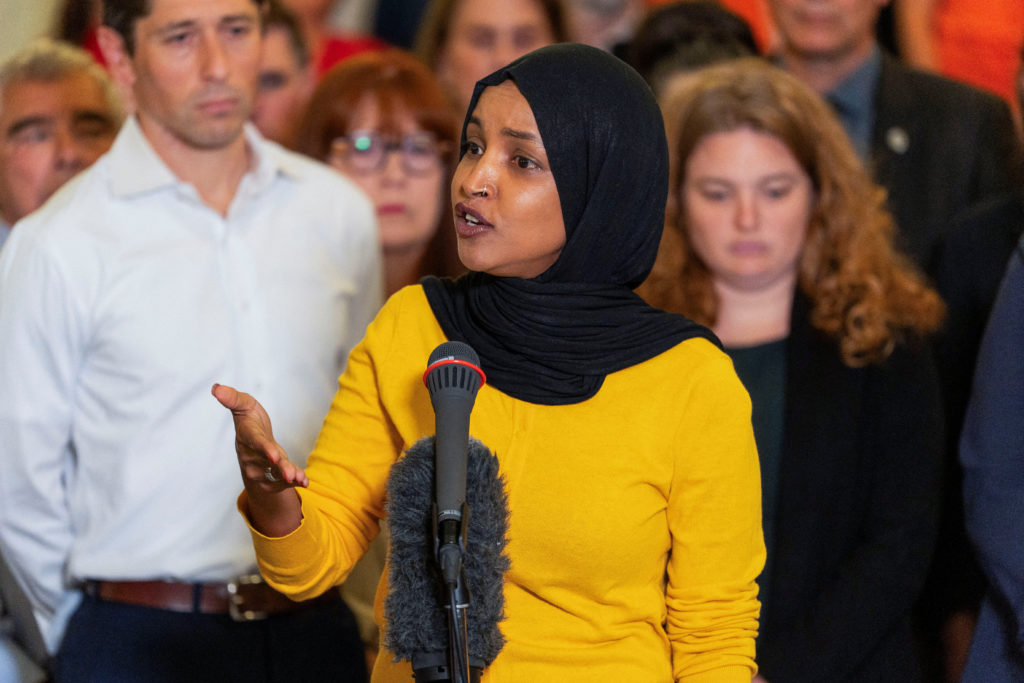
Some argued that many Americans have grown frustrated with what they see as increasing political correctness surrounding discussions of immigration and national identity. They viewed the confrontation as giving voice to concerns they believe are often dismissed or ignored.
Critics reached the opposite conclusion.
They argued that rhetoric focused on immigrants or public officials’ backgrounds risks inflaming existing tensions while making productive debate even more difficult. For them, democracy depends not only on free speech but also on maintaining respect for people with opposing political views.
That contrast illustrated just how differently Americans often interpret the same event.
Beyond the immediate controversy, the exchange reflected broader changes in modern political communication.
Public figures today speak before audiences that number in the millions. A single sentence can become a headline within minutes, while brief video clips can reach audiences far larger than any traditional television broadcast.
That reality has dramatically changed how political debates unfold.
Rather than ending when a speech concludes or a hearing adjourns, discussions continue online for days as supporters and critics analyze every word, gesture, and reaction.
The viral confrontation demonstrated how quickly political moments can evolve into cultural symbols.
For some Americans, it became a defense of patriotism.
For others, it became a warning about the dangers of equating dissent with disloyalty.
In either case, the conversation extended well beyond the individuals involved.
It touched on immigration, citizenship, belonging, freedom of expression, and the responsibilities carried by elected officials and public personalities alike.
The intense reactions also revealed how questions of identity remain among the country’s most emotionally powerful political issues.
Americans continue to disagree over immigration policy, cultural values, and the meaning of national pride. Yet those disagreements increasingly unfold in an environment where every exchange can be recorded, shared, debated, and amplified within minutes.
Whether viewed as a passionate defense of American values or an example of growing political polarization, the confrontation succeeded in one undeniable way: it sparked a conversation that reached far beyond the original moment.
Long after the clips stopped trending, the larger questions remained.
How should political opponents challenge one another?
Can fierce disagreement coexist with mutual respect?
And in a nation built on both freedom and diversity, who ultimately gets to define what patriotism looks like?