The Secret Experiment That Shook Psychiatry: Did Fake Patients Expose Institutional Blindness or Create Their Own Mirage?
The Secret Experiment That Shook Psychiatry: Did Fake Patients Expose Institutional Blindness or Create Their Own Mirage?
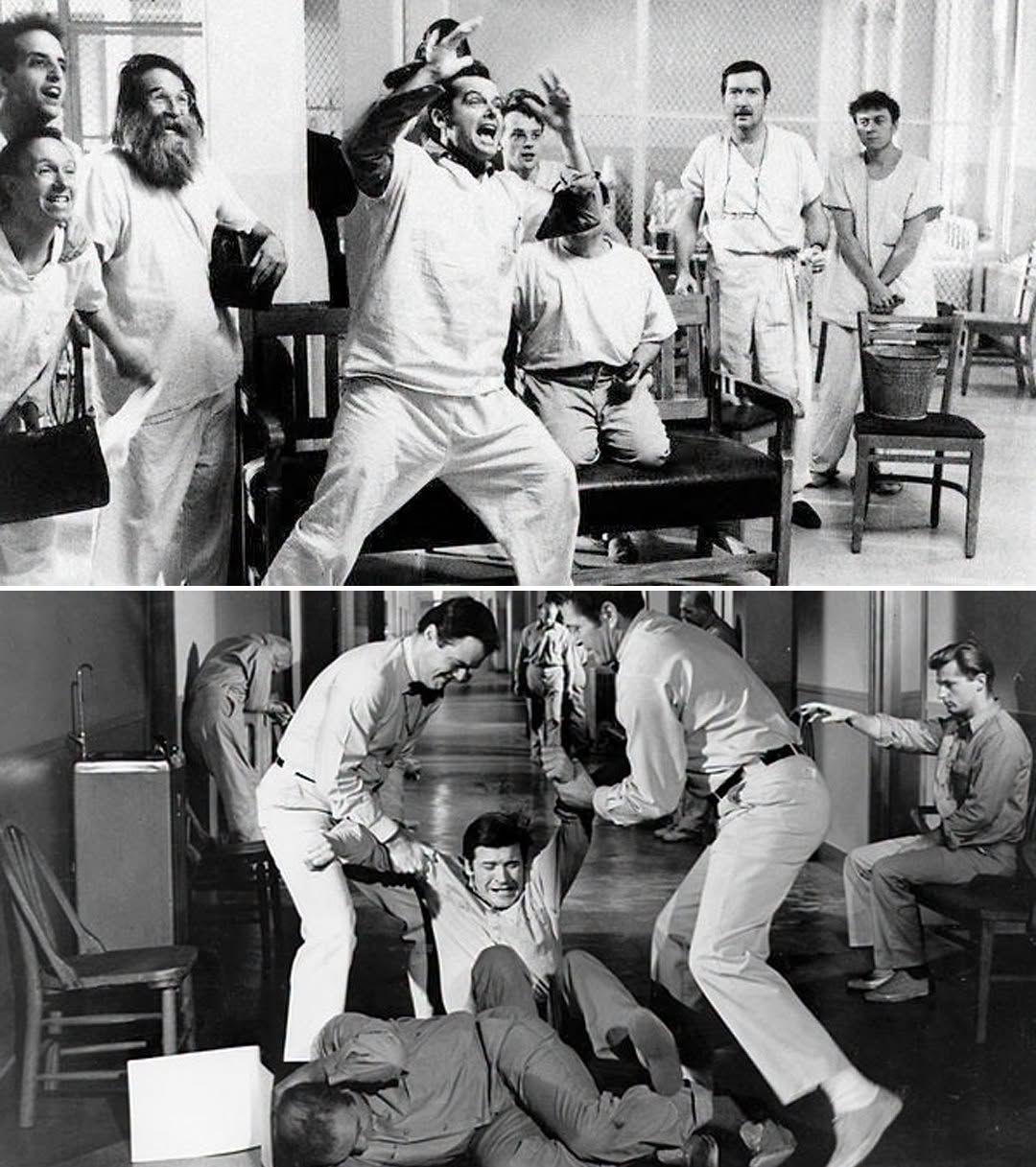
In 1973, Stanford psychologist David Rosenhan published one of the most shocking and controversial studies in the history of psychology. According to his landmark paper, eight healthy individuals—including Rosenhan himself—gained admission to various psychiatric hospitals across the United States simply by claiming they heard a single whispered word: “empty,” “hollow,” or “thud.” Aside from inventing that solitary symptom, the participants answered all intake questions honestly and described their personal histories truthfully. Yet, every single one was admitted, with seven diagnosed with schizophrenia and one with manic-depressive psychosis.
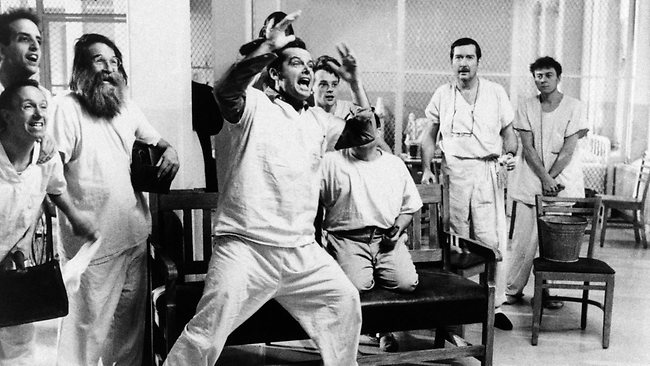
Once inside the wards, the fake patients ceased pretending altogether. They spoke normally, behaved cooperatively, and informed the medical staff that the auditory hallucinations had completely vanished. Paradoxically, behaving normally was no longer enough to prove their sanity. Hospital staff began interpreting ordinary, everyday actions through the lens of their assigned diagnoses; for instance, when participants took personal notes about their surroundings, nurses documented the behavior in medical records as compulsive “writing behavior.” Their stays ranged from seven to 52 days, averaging nearly three weeks. When eventually discharged, they were not pronounced cured; instead, their records noted that their schizophrenia was merely “in remission.”
Curiously, while doctors and nurses failed to spot the impostors, the real patients saw right through them. Several genuine patients approached the pseudopatients, openly speculating that they were undercover journalists or professors inspecting the facility. The people officially labeled as mentally ill recognized a truth that the trained professionals completely overlooked.
To further challenge the system, Rosenhan announced a follow-up test. A prestigious teaching hospital, confident its staff would never fall for such a ruse, was warned that impostors would attempt to gain entry over the next three months. During that period, staff flagged 41 prospective patients as suspected fakes. Rosenhan then revealed the ultimate twist: he had not sent a single pseudopatient. Every individual evaluated was an actual person seeking genuine medical help.
The study profoundly reshaped public perception, raising disturbing questions about medical labeling and institutional bias. However, decades later, the experiment itself faced intense scrutiny. In 2019, investigative journalist Susannah Cahalan examined Rosenhan’s surviving archives and uncovered glaring inconsistencies, including mismatched medical records, potentially fabricated quotes, and the deliberate exclusion of a participant who reported positive hospital conditions. Despite extensive efforts, she could not verify the identities of most claimed participants. The legendary experiment that once accused psychiatry of confusing fiction with reality may itself have relied on a carefully constructed narrative, leaving a enduring question: once a label is applied, do we ever truly see the person behind it?