The Fact Behind the Viral Quote: Did Erling Haaland Really Speak Out on Shared Household Duties?
The Fact Behind the Viral Quote: Did Erling Haaland Really Speak Out on Shared Household Duties?
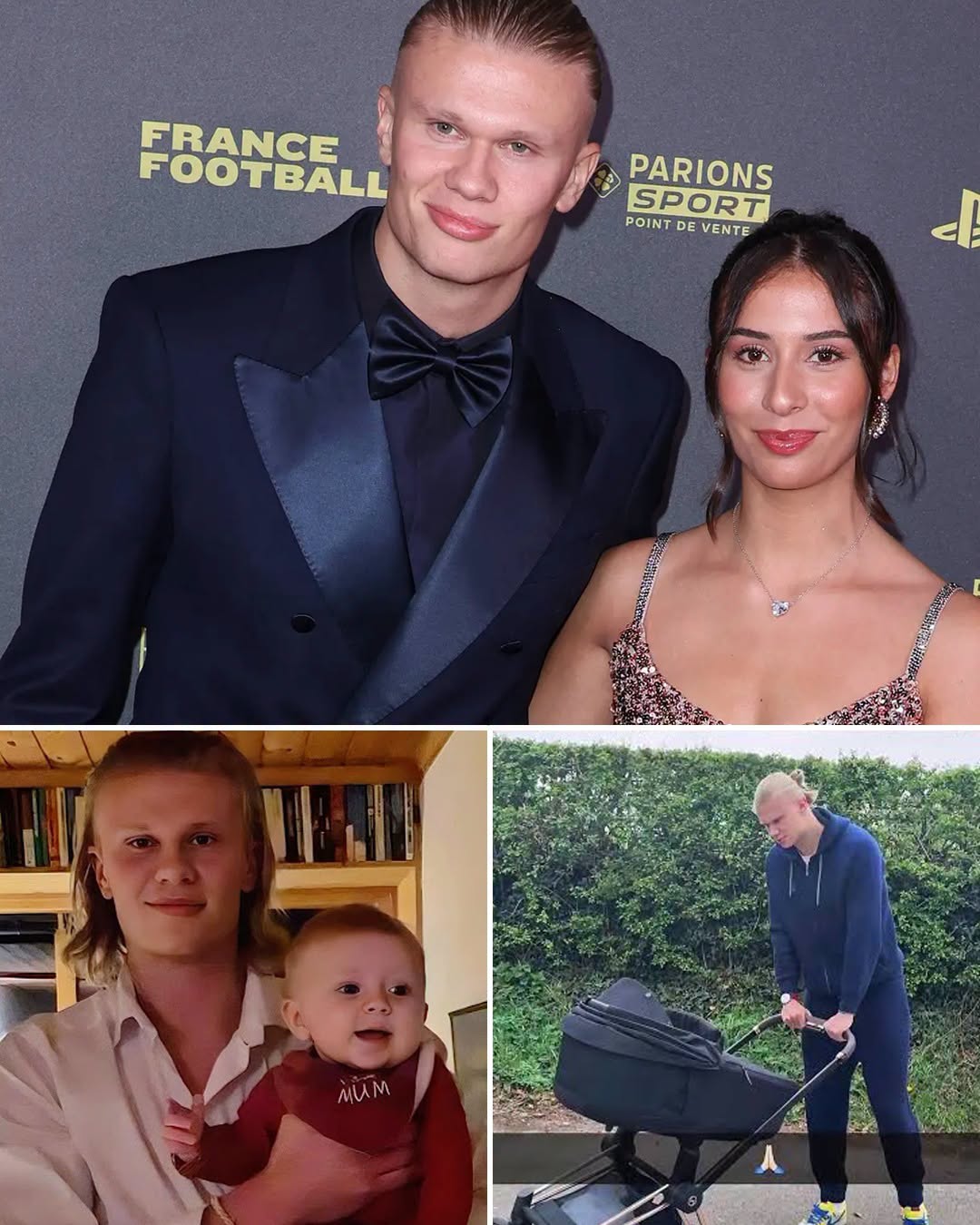
A powerful message about marriage and domestic responsibility attributed to Manchester City superstar Erling Haaland has been circulating widely across social media platforms. The statement directly addresses life outside of football, challenging the common phrase used by many men: “I help my wife at home.” According to the viral posts, Haaland argued that doing the dishes, cleaning the house, and caring for one’s own child are not special favors performed for a partner. Instead, they are basic, shared responsibilities inherent to building a life and family together.

While thousands of readers praised the young forward for advocating equality and mature fatherhood, a critical detail has been overlooked: there is no record of Haaland ever saying this. Despite numerous posts claiming the statement originated from an interview with Sky Sports, no original video footage, official media transcript, or reliable journalistic source has ever been produced to verify the quote. The earliest articles sharing the text offer no links or references to an actual broadcast or article.
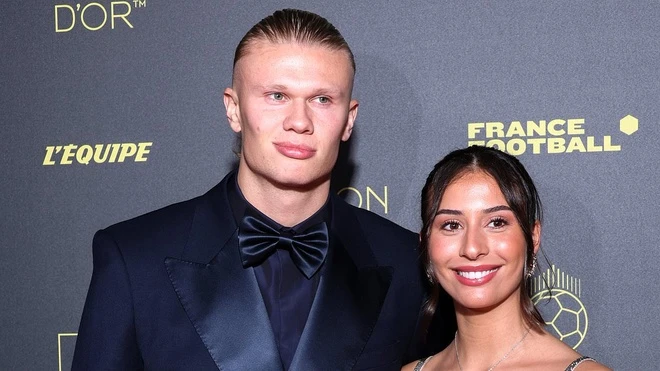
Certain elements of the surrounding narrative are grounded in reality. Haaland and his partner, Isabel Haugseng Johansen, welcomed a baby boy in late 2024, and the striker has publicly noted that fatherhood reshaped his perspective by separating his profession from his home life. He also left home early to pursue his career, though viral posts incorrectly claim he moved to Austria at age sixteen. In truth, he joined Red Bull Salzburg in January 2019, when he was already eighteen.
The core message itself remains a valid topic of discussion. A father caring for his children is simply parenting, and maintaining a shared living space is a collective responsibility rather than an act deserving of exceptional praise. However, attributing meaningful social commentary to a public figure without verification distorts public discourse. The principle behind the quote is widely supported, but accurate attribution remains essential when sharing media content online.