Why Did Bryan Kohberger Choose That House? The Question Still Haunting the Idaho Murders
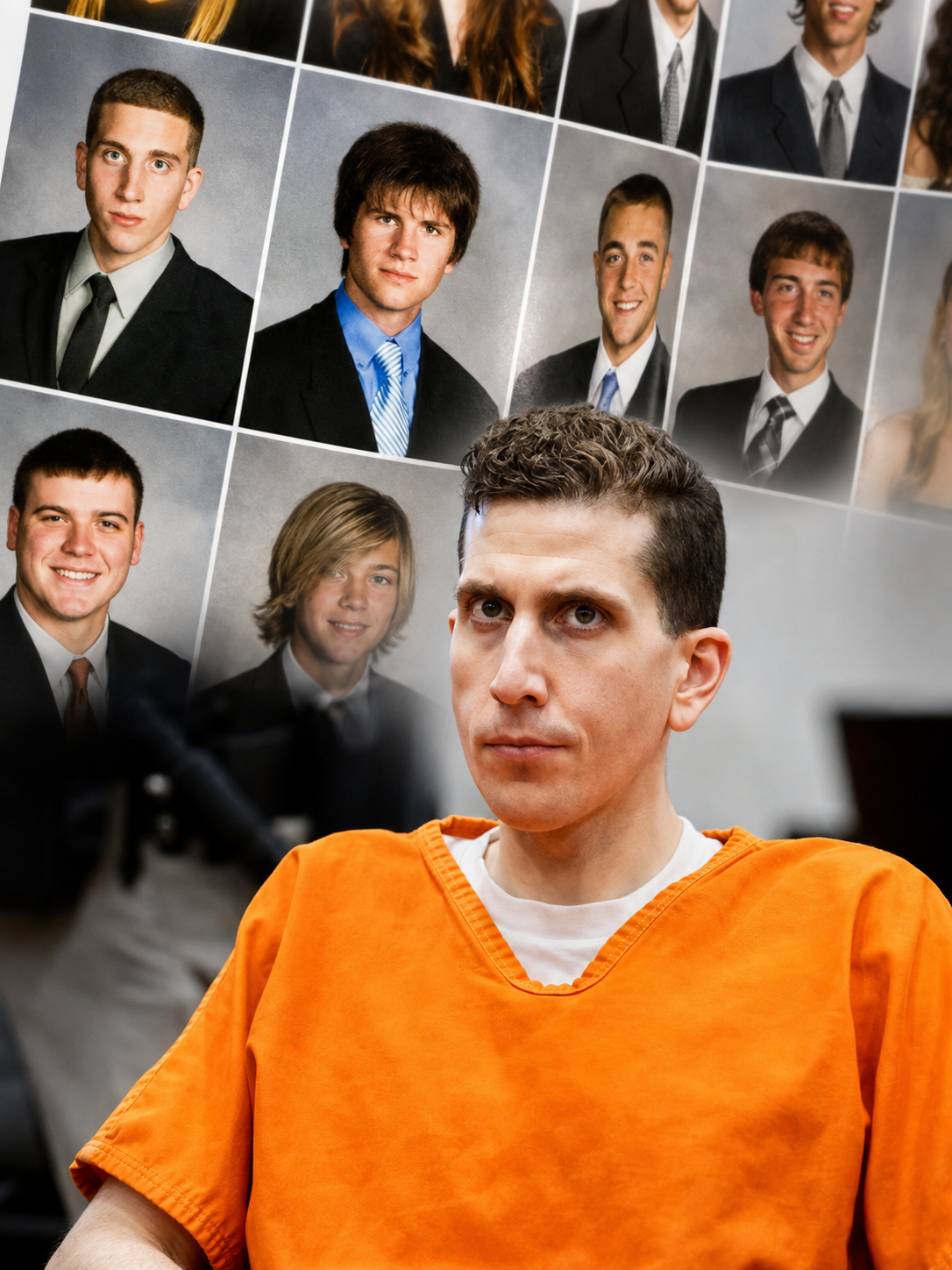
The legal case ended with four life sentences, but the most important question surrounding the murders of four University of Idaho students remains unanswered.
Why did Bryan Kohberger choose the house on King Road?
Filmmaker Skye Borgman believes the answer may be connected to the people who lived there. The off-campus rental in Moscow, Idaho, was home to five women. Although Ethan Chapin was visiting his girlfriend, Xana Kernodle, on the night of the killings, Borgman said the residence was fundamentally a house filled with young women—and she believes that may have made it a target.
Kohberger, now 31, pleaded guilty to murdering Kernodle, Chapin, Kaylee Goncalves and Madison Mogen in the early morning hours of November 13, 2022. He is serving four consecutive life sentences without the possibility of parole.
His guilty plea established responsibility, but it did not provide the victims’ families with the explanation many desperately wanted. Kohberger never publicly revealed what drew him to the house, whether he knew any of the victims personally or what he hoped to accomplish.
That silence has left investigators, relatives and the public searching through his history for possible clues.
A House He Appeared to Watch
Borgman, director of the Netflix docuseries The Idaho Murders: College Nightmare, said Kohberger’s selection of the residence could be central to understanding the crime.
She noted that he had reportedly been near the property repeatedly during the days, weeks and months before the murders. To her, that suggested the attack was not a random decision made in a single moment. The house appeared to have been observed before it was entered.
Borgman believes the victims’ gender may have mattered. She said Kohberger seemed to have difficulty forming relationships with women and may have viewed them with resentment or hostility.
The documentary examines whether he identified with the so-called incel movement, an online culture associated with men who describe themselves as unable to obtain romantic or sexual relationships and sometimes direct their anger toward women.
However, former FBI special agent Ed Jacobson, who was involved in the murder investigation, said authorities never found evidence proving that Kohberger belonged to that movement. Jacobson also noted that Kohberger appeared skilled at concealing his online activity.
Without a confession explaining his thinking, the possibility that misogyny played a role remains a theory rather than a confirmed motive.
Women Reported Uncomfortable Encounters
Accounts from Kohberger’s life before the murders have added to questions about how he viewed and treated women.
Former classmates described him as argumentative, socially detached and determined to have things his own way. Several students featured in the documentary said he regularly spoke down to women, became aggressive during disagreements and made people around him uncomfortable.
Former Washington State University Police Chief Gary Jenkins recalled an account from a female student who felt cornered during a forceful interaction with Kohberger. She also believed he sometimes followed her toward her vehicle.
Kohberger was eventually removed from his teaching assistant position. None of the incidents reported at the university were sent to police, Jenkins explained, because they did not rise to the level of criminal conduct.
Moscow Police Chief Anthony Dahlinger nevertheless characterized the reported behavior as unusual and troubling.
Lilly Karaban, who had attended school with Kohberger, remembered him as someone who seemed isolated in his own world. She later said she believed the violence inflicted on the three female victims suggested that he harbored anger toward women.
Other allegations extended beyond the university environment.
Author James Patterson, who investigated the case for a book, said his reporting uncovered multiple stories involving unwanted interactions between Kohberger and women.
At Seven Sirens Brewing Company in Bethlehem, Pennsylvania, Kohberger allegedly inserted himself into conversations with female employees and customers. According to accounts cited in Patterson’s reporting, he sometimes asked women where they lived. Complaints were eventually made to the brewery’s owner about a man patrons considered unsettling.
Patterson said people who encountered Kohberger frequently described a sharp divide between the way he viewed himself and the way others perceived him.
A Disturbing Memory From 2019
One of the most alarming accounts came from an exotic dancer who later spoke with investigators.
The woman said a man she now believes was Kohberger visited the Pennsylvania club where she worked in 2019. During her performance, he allegedly said that he wanted to kill people.
When she jokingly asked whom he wanted to kill, she recalled him answering that it could be anyone he chose.
At the time, she believed he was attempting to provoke a reaction or gain her attention. She alerted security personnel and asked them to watch him.
The encounter apparently faded from her mind until Kohberger’s photograph appeared on television after his arrest in December 2022. She then became fairly certain that he was the same man she had seen at the club.
The report does not establish that the exchange was connected to the Idaho murders. Still, it became another disturbing piece of the history now being examined for signs that may help explain what happened years later.
Silence as a Form of Control
Borgman believes Kohberger may have imagined he could commit a flawless crime.
He did not.
Investigators connected him to the killings, and his guilty plea ultimately removed the possibility of a lengthy trial in which prosecutors would have publicly presented their complete case.
But Borgman suggested that his refusal to explain himself could still provide him with a sense of control. By keeping the motive hidden, Kohberger ensures that attention remains focused on him and on the mystery inside his mind.
That unanswered question has been particularly painful for the victims’ families. Borgman said relatives wished the plea agreement had required Kohberger to explain why he entered the house and killed four young people.
Instead, the agreement allowed him to avoid the death penalty in exchange for pleading guilty.
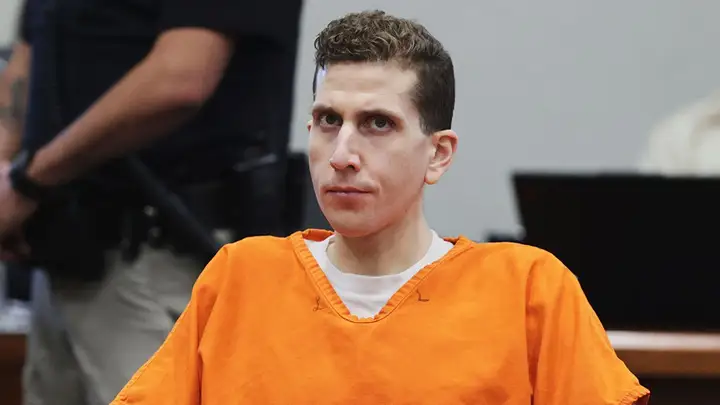
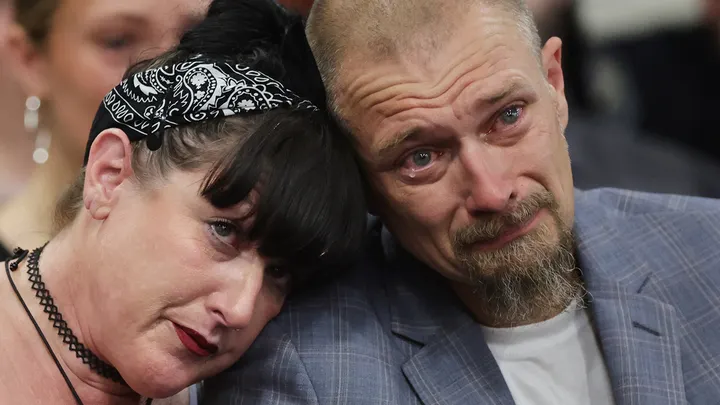
At his July 23, 2025, sentencing hearing in Boise, Kohberger received four consecutive life terms without parole. Images from the courtroom captured the grief that remained nearly three years after the murders, including Madison Mogen’s father, Benjamin Mogen, crying as the proceedings unfolded.

A New Attempt to Undo the Plea
Two days before Borgman’s documentary premiered on July 29, Kohberger made a dramatic effort to withdraw his guilty plea and seek a trial.
He alleged that his attorneys pressured him into accepting the agreement by making promises about improved prison conditions and warning him about what he could face on death row. He claimed that the plea had resulted from threats and promises that were not kept.
Those assertions stood in contrast to what Kohberger told the court in 2025.
At the time of his plea, he said he was acting freely and voluntarily. He confirmed that he understood the punishment, waived his appeal rights and stated that no attorney or other person had forced him to plead guilty. Prosecutors agreed not to pursue the death penalty as part of the deal.
His attempt to reopen the case has again forced the families to confront a tragedy they had hoped was legally settled.
Carrying the Victims’ Love Forward
The killings profoundly affected Moscow, a small college community that once seemed far removed from a crime of such magnitude.
Borgman said the case also took a lasting emotional toll on investigators. Some law enforcement personnel who worked on it were so deeply shaken that they later left the profession.
Even those closest to the investigation continue to struggle with the absence of a clear motive. One FBI agent interviewed for the documentary said people may simply have to accept that the reason will never be known.
For the families, that acceptance has not meant forgetting.
Borgman said they no longer expect Kohberger to speak honestly about what drove him. Rather than allowing anger to define the rest of their lives, many have shifted their energy toward honoring the victims and helping other families facing similar devastation.
They cannot change what happened inside the King Road house. They may never learn why it was selected or why four lives were taken.
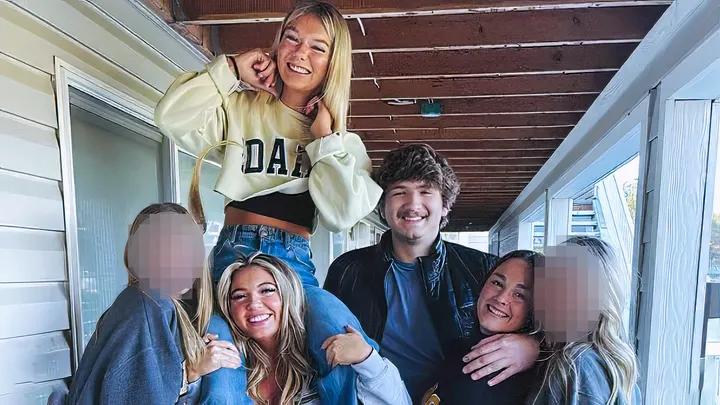
What they can preserve are the people at the center of the story—not the killer who refuses to explain himself, but Ethan Chapin, Madison Mogen, Kaylee Goncalves and Xana Kernodle.
The mystery of Kohberger’s motive remains. Their families, however, are determined that his silence will not become the final word.