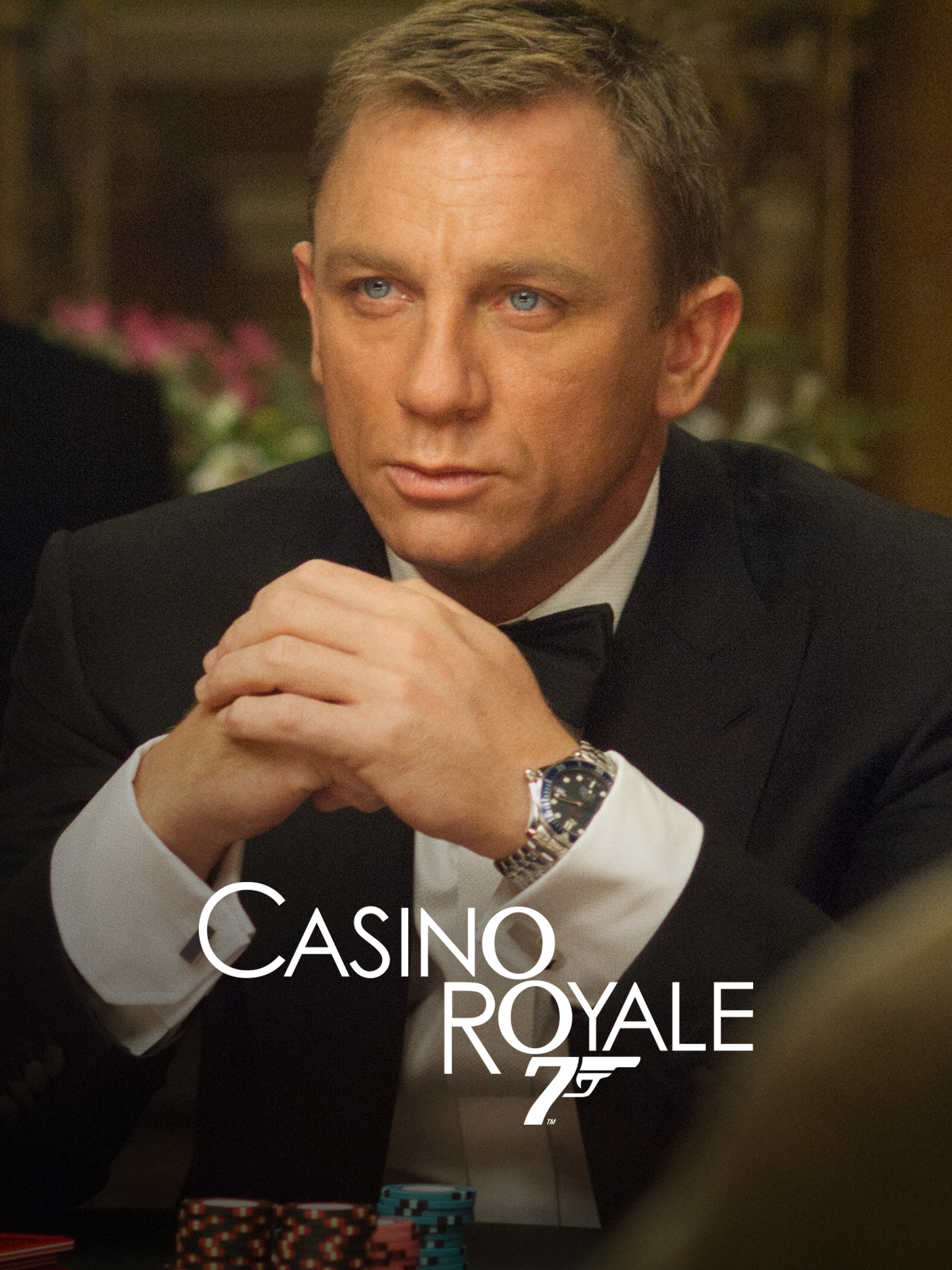
Every Official James Bond Movie Ranked: From 007’s Weakest Mission to His Finest Hour
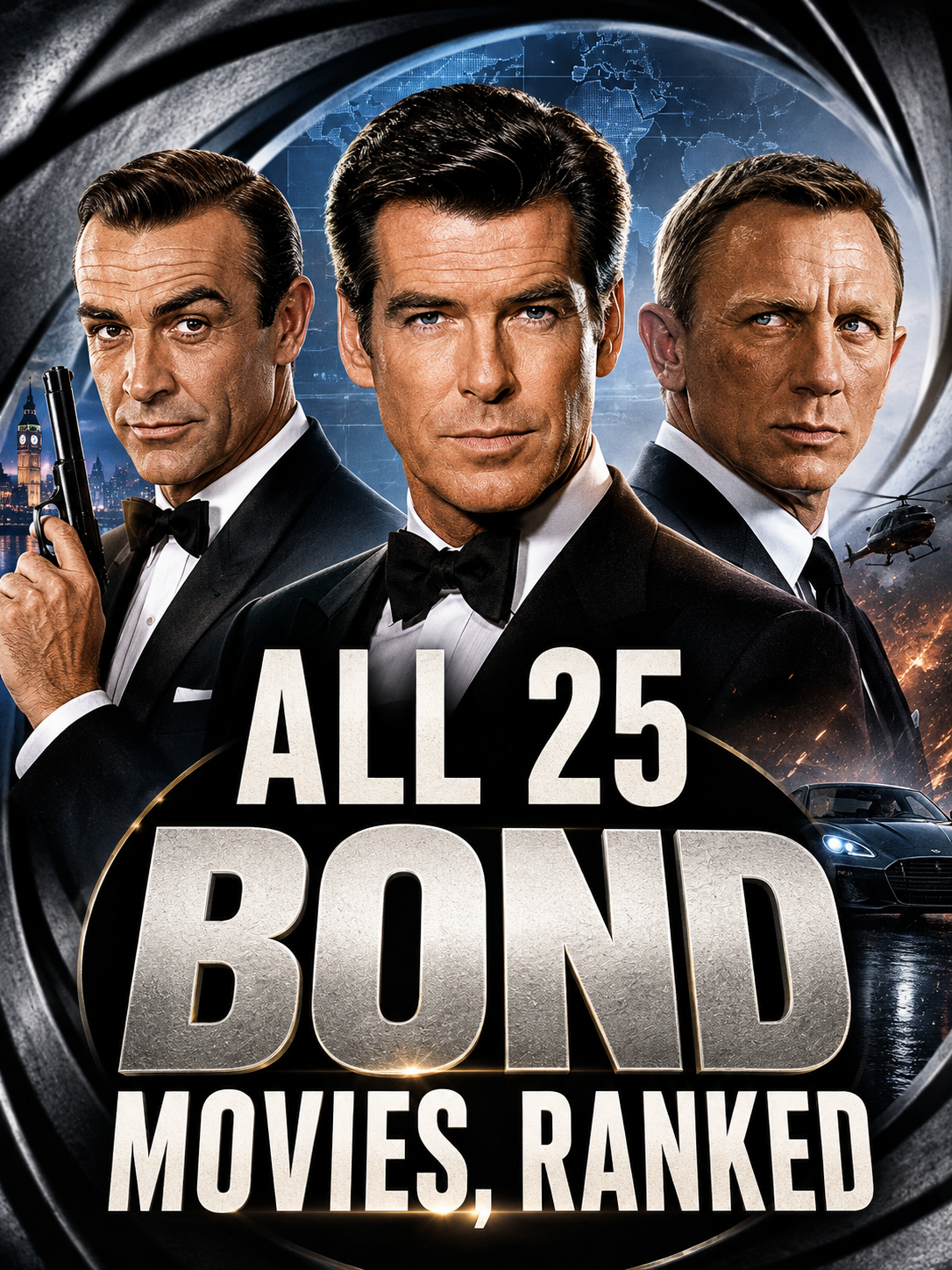
James Bond has survived changing actors, shifting politics, exploding volcanoes, invisible cars and more than one attempt to reboot his personality.
Across 25 official Eon Productions films—from Dr. No in 1962 to No Time to Die in 2021—the series has repeatedly reinvented what 007 can be. Sean Connery supplied the danger, Roger Moore embraced fantasy, Timothy Dalton brought harder edges, Pierce Brosnan modernized the formula, and Daniel Craig turned Bond’s career into an emotional journey. The official franchise identifies No Time to Die as its 25th cinematic adventure.
This ranking considers more than critical reputation. Performances, villains, leading women, action, music, replay value and long-term influence all matter.
Here is every official James Bond movie, ranked from worst to best.
25. Die Another Day
Pierce Brosnan deserved a stronger farewell. The opening in North Korea promises a bruised, vulnerable Bond, but the film soon disappears beneath digital effects, strained jokes and an infamous invisible Aston Martin. Rosamund Pike makes an impression, yet the excess helped convince the producers that 007 needed rebuilding.
24. A View to a Kill
Roger Moore remained effortlessly charming, but he was visibly mismatched with the physical demands of his final mission. Christopher Walken’s gleefully unstable Max Zorin and Grace Jones’ intimidating May Day provide energy. The Duran Duran theme is excellent; the movie surrounding it feels tired.
23. Diamonds Are Forever
Sean Connery returned after George Lazenby’s single appearance, but the emotional consequences of On Her Majesty’s Secret Service were largely discarded. Las Vegas gives the film a sleazy comic atmosphere, while Blofeld becomes less threatening. It is entertaining in fragments, though rarely convincing as a revenge story.
22. The Man with the Golden Gun
Christopher Lee’s Francisco Scaramanga should have produced an all-time Bond film: a sophisticated assassin who represents a darker reflection of 007. Unfortunately, the story wastes that idea on uneven comedy. Even the extraordinary corkscrew car jump is weakened by an unnecessary sound effect.
21. Moonraker
Bond followed the late-1970s space craze all the way into orbit. The locations are lavish, Ken Adam’s sets are magnificent and Shirley Bassey brings elegance to the theme. Yet the spectacle overwhelms the espionage, transforming Roger Moore’s agent into the hero of an expensive science-fiction comedy.
20. Spectre
Daniel Craig’s fourth mission tries to connect his previous adventures into one master conspiracy. The result feels forced, particularly when Christoph Waltz’s Blofeld is given a personal history with Bond. The opening in Mexico City is superb, but the film becomes strangely lifeless despite its enormous scale.
19. The World Is Not Enough
This is one of Brosnan’s more ambitious entries. Sophie Marceau’s Elektra King is seductive, wounded and dangerous, giving the story a welcome psychological dimension. Robert Carlyle’s Renard is less effective, and Denise Richards is badly miscast, but the film’s emotional ideas remain intriguing.
18. Octopussy
The title invites mockery, yet the film is sturdier than its reputation suggests. Roger Moore moves through palaces, circuses and Cold War intrigue with practiced ease. The clown disguise divides viewers, but the sequence ends with Bond desperately trying to prevent a nuclear explosion—a surprisingly tense moment.
17. Quantum of Solace
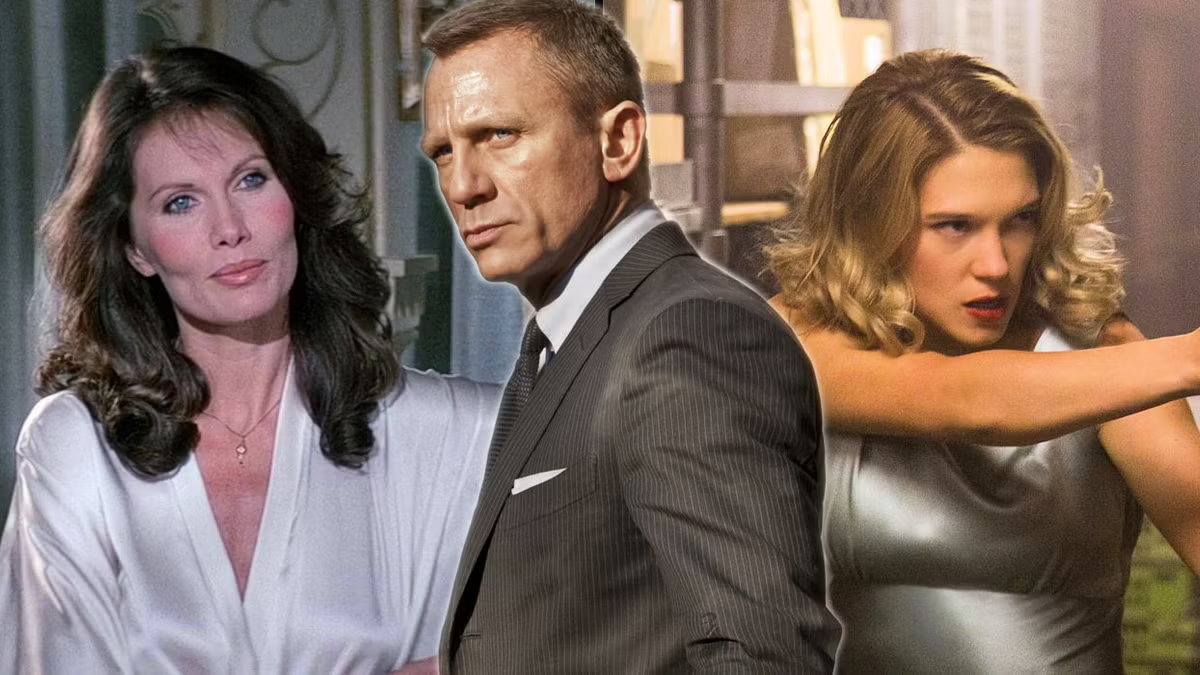
Craig’s shortest Bond film moves with relentless anger but rarely gives its story room to breathe. Viewed directly after Casino Royale, it works better as an epilogue about grief and revenge. Olga Kurylenko’s Camille provides a meaningful parallel to Bond, even if the villain and editing disappoint.
16. Tomorrow Never Dies
Media mogul Elliot Carver remains one of the franchise’s most relevant villains, manufacturing conflict to increase his global influence. Michelle Yeoh is Brosnan’s most capable on-screen partner, matching him in combat rather than waiting for rescue. The film is formulaic, but fast, polished and highly rewatchable.
15. The Living Daylights
Timothy Dalton immediately makes Bond more guarded, impatient and human. The early Cold War intrigue is excellent, as is the relationship between Bond and cellist Kara Milovy. A confused final act involving Afghanistan weakens the story, but Dalton’s intense performance pointed toward the franchise’s future.
14. For Your Eyes Only
After the cosmic absurdity of Moonraker, this film deliberately returns Bond to mountains, shipwrecks and intelligence work. Moore delivers a more serious performance, particularly when Bond confronts a killer at the edge of a cliff. The result is grounded, tense and refreshingly resistant to spectacle for spectacle’s sake.
13. You Only Live Twice
The enormous volcano base became a template for decades of spy-movie parody. Donald Pleasence established the most recognizable screen version of Blofeld, while John Barry delivered another sweeping score. The film’s treatment of Japanese culture has aged poorly, but its visual ambition remains undeniable.
12. No Time to Die
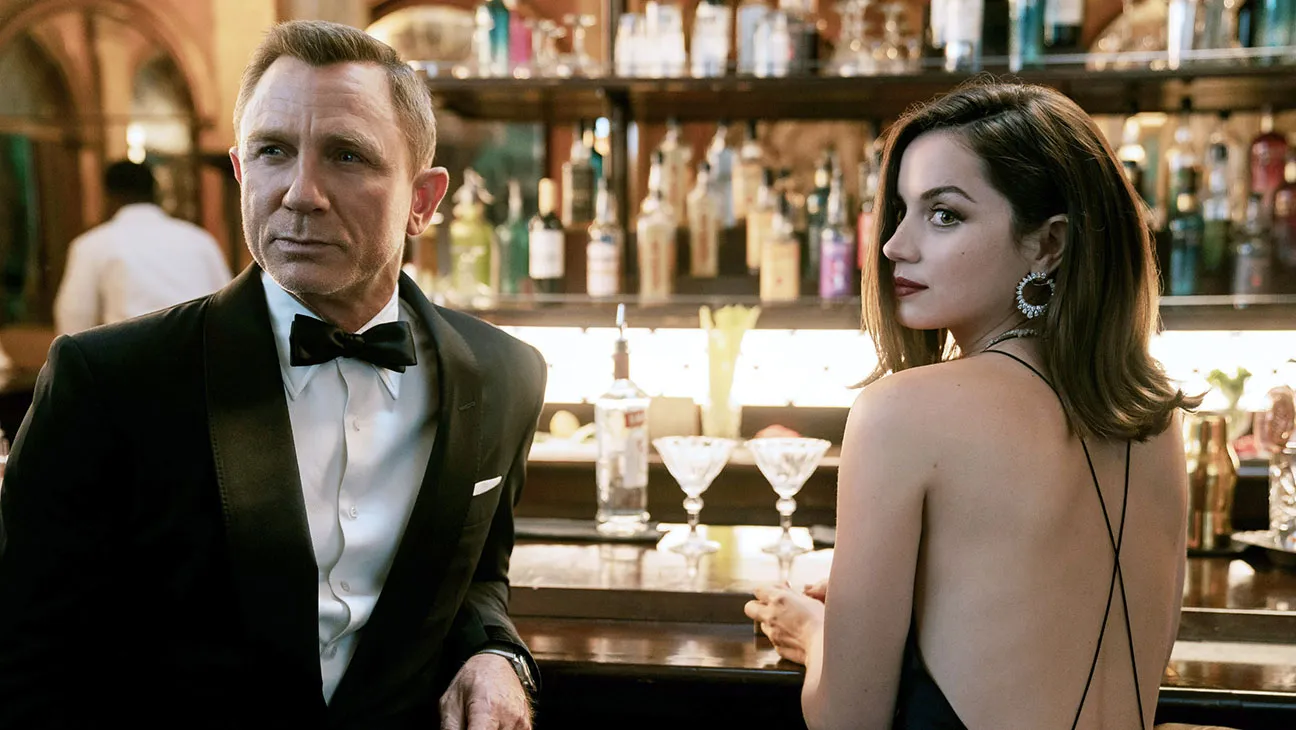
Craig’s final mission offers spectacular action, a haunting Billie Eilish theme and an unusually definitive goodbye. Léa Seydoux’s Madeleine gains greater depth, while Ana de Armas nearly steals the film in a brief appearance. The villain is underwritten, but Craig’s emotional commitment carries the conclusion.
11. Dr. No
The first official Bond movie is smaller and leaner than what followed. It nevertheless establishes the essential ingredients: exotic locations, dry humor, danger, sexuality and Connery’s commanding introduction. Ursula Andress emerging from the sea became iconic, while Joseph Wiseman’s controlled villain created the original template.
10. Thunderball
Few Bond films look as luxurious. The underwater photography, Bahamian locations and elaborate SPECTRE plot capture the franchise at its mid-1960s peak. Some submerged action scenes continue too long, but Connery appears completely at home as a man who can dominate both a casino table and a battlefield.
9. Live and Let Die
Roger Moore wisely avoids imitating Connery, presenting a smoother and more amused Bond from his first appearance. Paul McCartney and Wings supply one of the series’ greatest songs. Although parts of the film’s racial imagery are uncomfortable today, its atmosphere, stunts and supernatural flavor remain distinctive.
8. The Spy Who Loved Me
This is the purest expression of the Moore era. The Union Jack parachute, Lotus submarine and massive supertanker set deliver irresistible spectacle. Barbara Bach’s Agent Triple X gives Bond a credible equal, while Richard Kiel’s Jaws became unforgettable despite villain Karl Stromberg being comparatively bland.
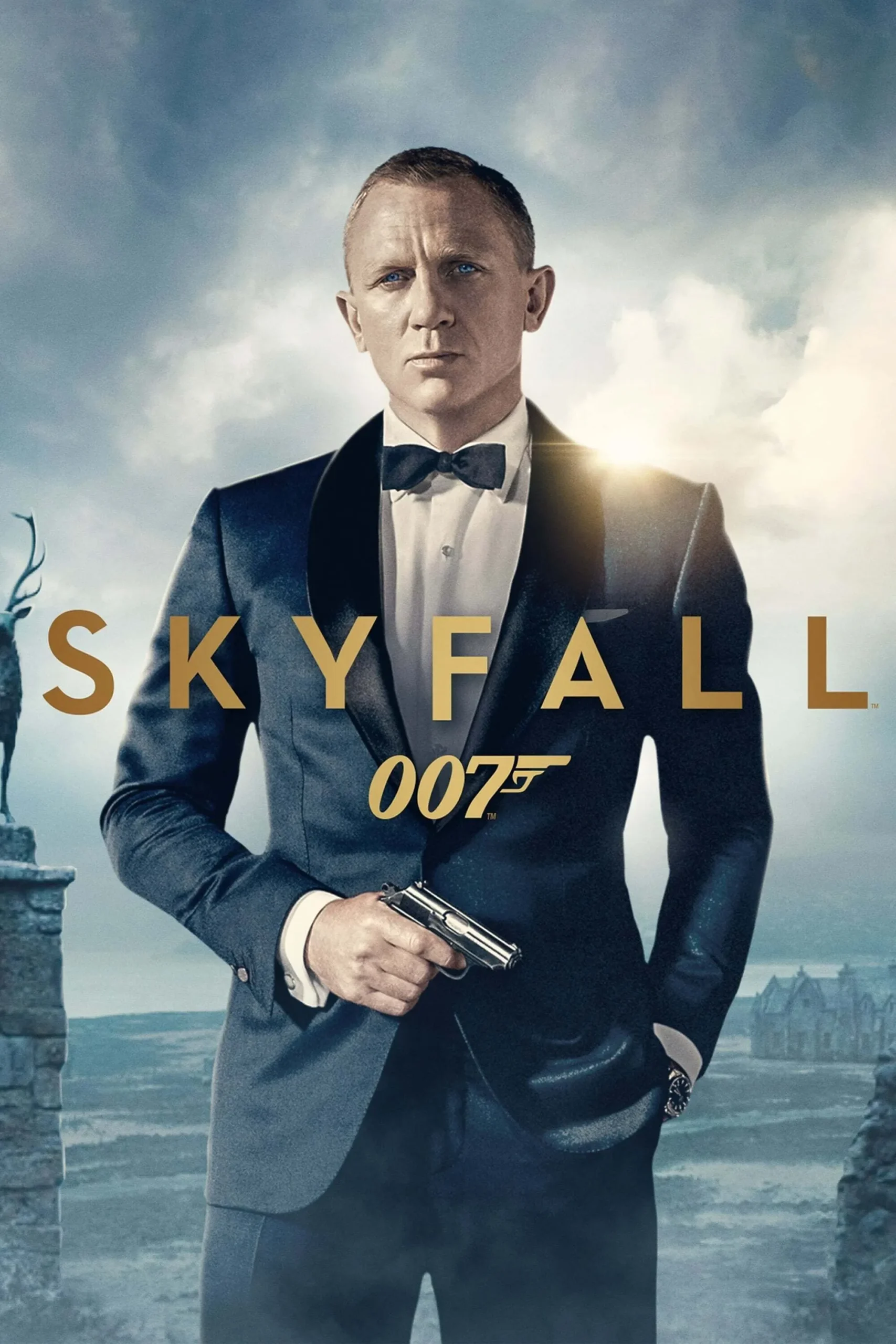
7. Skyfall
Beautifully photographed and confidently directed, Skyfall examines Bond’s age, loyalty and place in a changing intelligence world. Javier Bardem creates a memorable enemy, and Adele’s theme became an Academy Award winner. Still, the plot depends heavily on coincidence, placing it below several less celebrated but tighter missions.
6. On Her Majesty’s Secret Service
George Lazenby lacks Connery’s authority, yet his vulnerability becomes unexpectedly valuable. Diana Rigg’s Tracy is arguably Bond’s most fully realized romantic partner, and the tragic ending changes the emotional meaning of everything before it. The alpine action and John Barry score remain among the franchise’s finest.
5. GoldenEye
After a six-year absence, Bond returned to a post-Cold War world and proved he still belonged there. Pierce Brosnan balances elegance with aggression, Famke Janssen creates an unforgettable henchwoman, and Sean Bean’s betrayed former agent gives the conflict personal weight. It remains the definitive modernized version of classic Bond.
4. Licence to Kill
Timothy Dalton’s second and final adventure strips away much of the familiar formula. Bond resigns from the service and infiltrates a drug empire after a savage attack on Felix Leiter. Robert Davi’s Sanchez feels dangerously believable, while Dalton delivers the ruthless, obsessive 007 his era was not ready to appreciate.
3. Goldfinger
The Aston Martin DB5, Shirley Bassey’s thunderous theme, Oddjob’s hat and the golden victim on the bed helped define Bond in popular culture. Gert Fröbe’s Goldfinger is theatrical without becoming ridiculous. Some elements have dated badly, but few films have influenced the identity of a franchise so completely.
2. From Russia with Love
This is Bond before gadgets and gigantic lairs took control. The story unfolds as a patient Cold War trap, with Robert Shaw’s Red Grant stalking Bond across Europe. Connery is dangerous, Daniela Bianchi is captivating, and the brutal train fight remains one of the series’ most convincing confrontations.
1. Casino Royale
Daniel Craig’s debut did not merely revive James Bond—it reconstructed him.
The parkour pursuit announces a new physical intensity, Eva Green’s Vesper Lynd gives Bond a true emotional equal, and Mads Mikkelsen’s Le Chiffre makes a card game feel life-threatening. Chris Cornell’s theme captures the defiance of an agent still becoming 007.
Most importantly, the film understands that Bond’s sophistication is not yet armor. We watch him fall in love, make mistakes and discover why trust will become so difficult. It honors the franchise’s essential pleasures while giving them consequences.
After 25 official missions, Casino Royale remains the rare Bond film that delivers everything: tension, romance, brutality, glamour and a reason to care about the man behind the number.