Jennifer Coolidge Spent Nearly 30 Years as the Scene-Stealing Sidekick—Then Hollywood Finally Gave Her the Role She Deserved
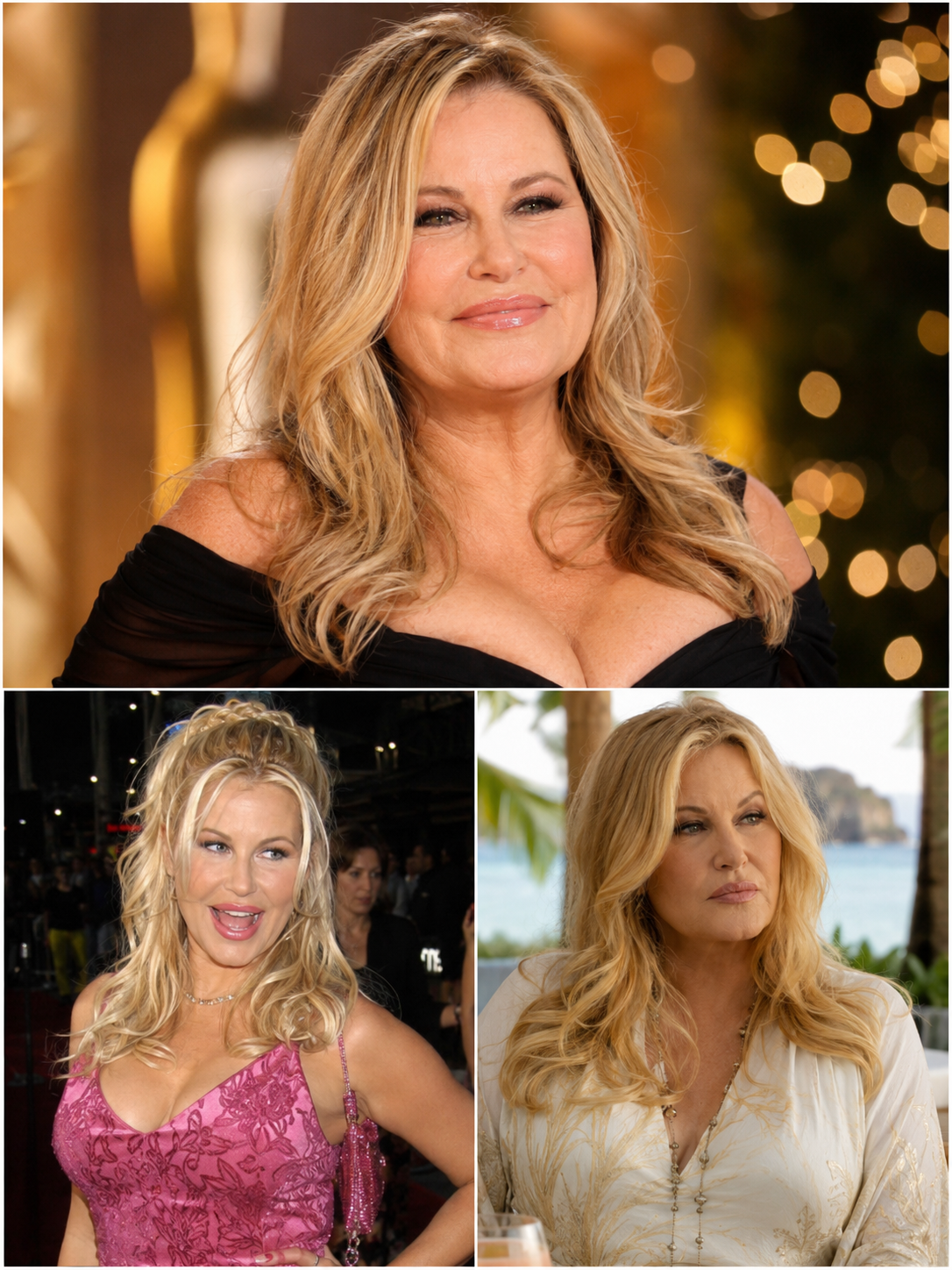
When Jennifer Coolidge walked onto the Emmy stage in September 2022, the victory felt larger than one television performance.
At 61, after nearly three decades of playing eccentric neighbors, seductive mothers, unlucky beauticians and outrageous supporting characters, she had won her first Primetime Emmy for The White Lotus.
The audience already knew her face. Millions could imitate her breathy voice. Entire generations remembered her as Stifler’s mother in American Pie or Paulette, the lovable manicurist from Legally Blonde.
But recognition was not the same as respect.
For years, Coolidge had been one of Hollywood’s most reliable scene-stealers without being treated as the person who should carry the emotional weight of a story. Her characters were frequently memorable, yet they were often written to provide a joke, a reaction or a burst of eccentric energy before the plot moved back to someone else.
Then creator Mike White gave her Tanya McQuoid, a wealthy, grieving and desperately lonely traveler in The White Lotus.
The role did not erase Coolidge’s comic instincts. It revealed the sadness underneath them.
Almost overnight, an actress who feared her career might be fading became one of television’s most celebrated performers.
She Wanted Drama, but Comedy Found Her
Coolidge was born in Boston in 1961 and raised in Massachusetts. She studied at Emerson College and later trained at the American Academy of Dramatic Arts in New York.
Her original ambition was not to become a specialist in broad comedy. She admired dramatic performers and imagined a career that might resemble Meryl Streep’s.
Instead, her unusual timing, distinctive voice and fearless willingness to look foolish kept pushing her toward comedy.
Coolidge moved to Los Angeles and joined the Groundlings, the influential improvisational and sketch troupe whose former members have included numerous future comedy stars. She spent years auditioning while supporting herself through other work.
The process was punishing.
Coolidge later recalled enduring roughly a decade of auditions with little meaningful employment. She tried out unsuccessfully for Saturday Night Live in 1995 and watched other performers advance while she struggled to gain momentum.
Her first television appearance came in a 1993 episode of Seinfeld, in which she played a masseuse who refused to give Jerry a massage. Small parts followed, but nothing suggested that a major breakthrough was approaching.
Then, in 1999, she appeared in American Pie.
Becoming “Stifler’s Mom”
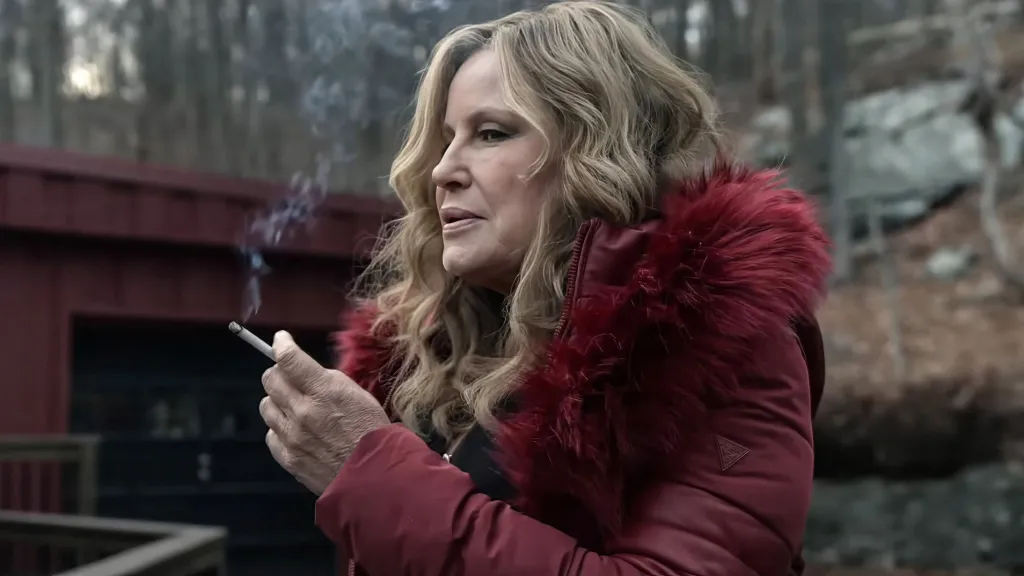
Coolidge’s role as Jeanine Stifler was brief, but it changed popular culture’s image of her almost instantly.
The character—better known simply as Stifler’s mom—was confident, glamorous and presented as the ultimate fantasy of one of the teenage boys. Coolidge delivered the role with such exaggerated composure that the joke became far more memorable than its screen time should have allowed.
American Pie was a major commercial success, and Coolidge returned for several sequels.
The role gave her visibility, money and a permanent place in comedy history. It also created a powerful typecasting problem.
Hollywood began seeing her as variations of the same woman: older, sexually confident, eccentric and slightly disconnected from reality. The industry wanted the Jennifer Coolidge audiences already recognized, not necessarily the full range of the actress playing her.
Her next defining role arrived in 2001 with Legally Blonde.
As Paulette Bonafonté, the shy manicurist who befriends Reese Witherspoon’s Elle Woods, Coolidge supplied some of the film’s biggest laughs. But she also gave Paulette vulnerability. Beneath the unusual voice and comic reactions was a woman who had been mistreated and no longer expected life to improve.
That mixture of humor and hurt would eventually become central to her greatest role.
For the moment, however, Hollywood mostly noticed the comedy.
A Career Full of Memorable Supporting Parts
Coolidge worked consistently throughout the following two decades.
She appeared in Best in Show, A Mighty Wind and For Your Consideration, collaborating with Christopher Guest in ensemble comedies built around improvisation. She played a vain stepmother in A Cinderella Story, took supporting roles in parody films and joined television series including Joey, The Secret Life of the American Teenager and 2 Broke Girls.
She was rarely unemployed for long, but the quality of the opportunities varied.
Some roles made excellent use of her originality. Others asked her to repeat familiar gestures and vocal rhythms without giving the character an inner life.
This was the strange position Coolidge occupied: she was famous enough to be instantly recognized but not powerful enough to control how the industry used her.
The laughter could conceal a deeper frustration.
Coolidge has spoken openly about watching years pass while fearing that she had failed to pursue the career she once imagined. She sometimes wondered whether she had accepted too many roles that reinforced the same image. Success had arrived, but perhaps in a form that prevented people from seeing anything else.
By the late 2010s, she worried that Hollywood might be finished with her.
She appeared in the acclaimed 2020 film Promising Young Woman, playing the mother of Carey Mulligan’s character. The part offered a glimpse of her dramatic warmth, but the transformation of her career had not yet begun.
Then the pandemic stopped much of the entertainment industry—and Coolidge nearly rejected the opportunity that would revive her life.
The Role She Almost Refused
Mike White had known Coolidge for years and had previously worked with her on projects including Chuck & Buck and Gentlemen Broncos.
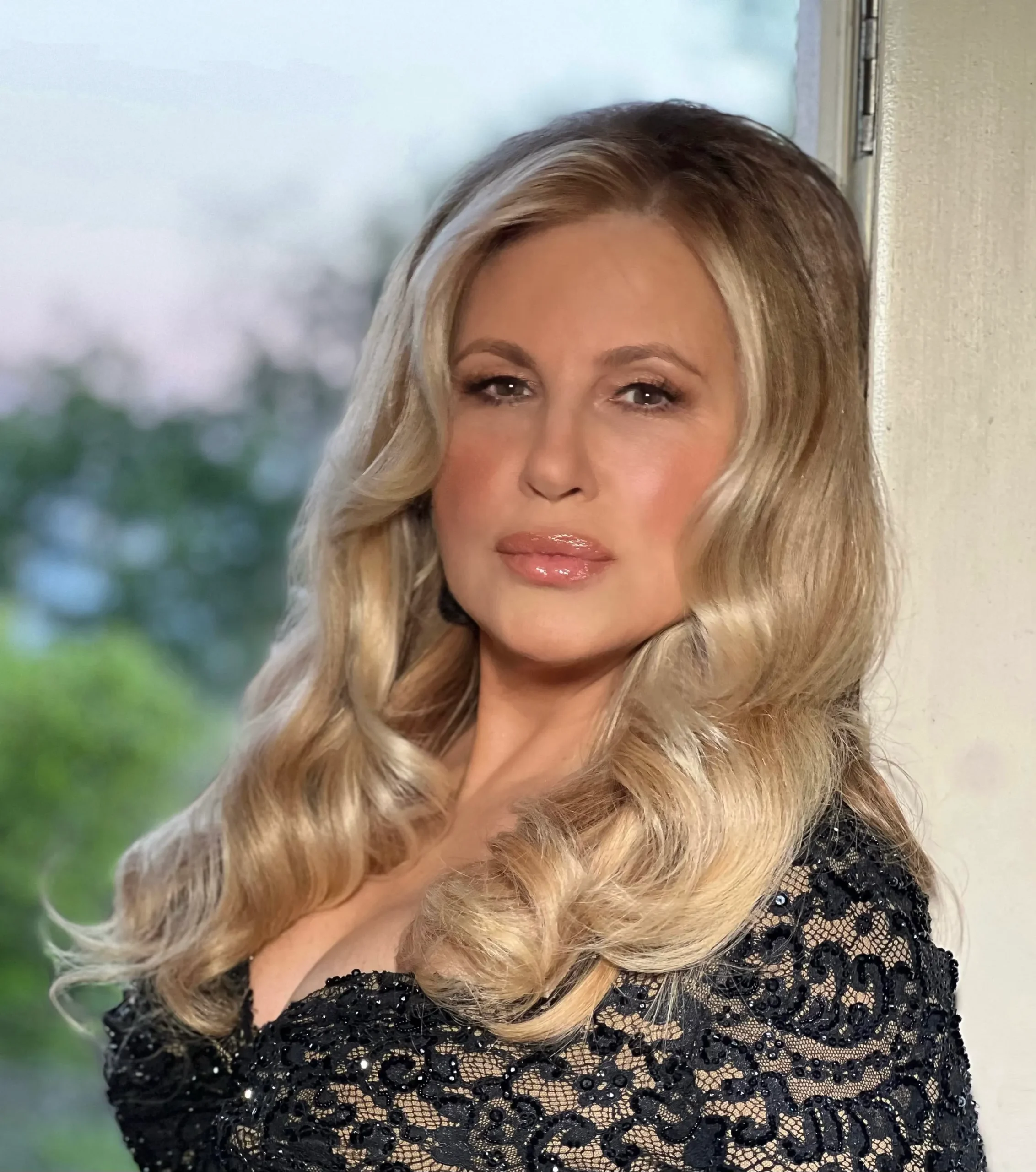
When he created The White Lotus, a dark comedy set at a luxury resort in Hawaii, he wrote Tanya McQuoid with Coolidge in mind.
Tanya arrives carrying her mother’s ashes and searching for a place to scatter them. She is wealthy enough to command attention but emotionally incapable of trusting it. She can be selfish, generous, ridiculous and deeply wounded within the same scene.
Coolidge almost turned the role down.
During the pandemic, she had been isolating at home, overeating and feeling uncomfortable with her appearance. She feared being filmed and did not believe she was ready for the production. A friend reportedly urged her not to sabotage the opportunity.
That intervention changed everything.
When The White Lotus premiered on HBO in July 2021, audiences encountered a version of Coolidge they recognized but had never fully been allowed to see.
Tanya was funny because she lacked self-awareness, but she was also grieving. Her wealth protected her from consequences without protecting her from loneliness. Coolidge used the same pauses, expressions and vocal unpredictability that had powered her comedy, only now they exposed emotional instability rather than delivering isolated punchlines.
For once, the story remained with her after the audience stopped laughing.
Tanya Becomes the Heart of the Series
The White Lotus was conceived as an anthology, with new locations and many new characters each season. Tanya became one of the few figures to continue from the first season into the second.
In Sicily, the character believed she had finally secured love and security through her marriage to Greg. Instead, suspicion and danger gradually surrounded her.
Coolidge’s second-season performance became even more complex. Tanya could appear absurdly privileged one moment and painfully perceptive the next. Her desperate attempt to save herself produced both suspense and dark comedy, ending with a fate that was tragic, shocking and perfectly consistent with the character.
The performance brought Coolidge a wave of major honors.
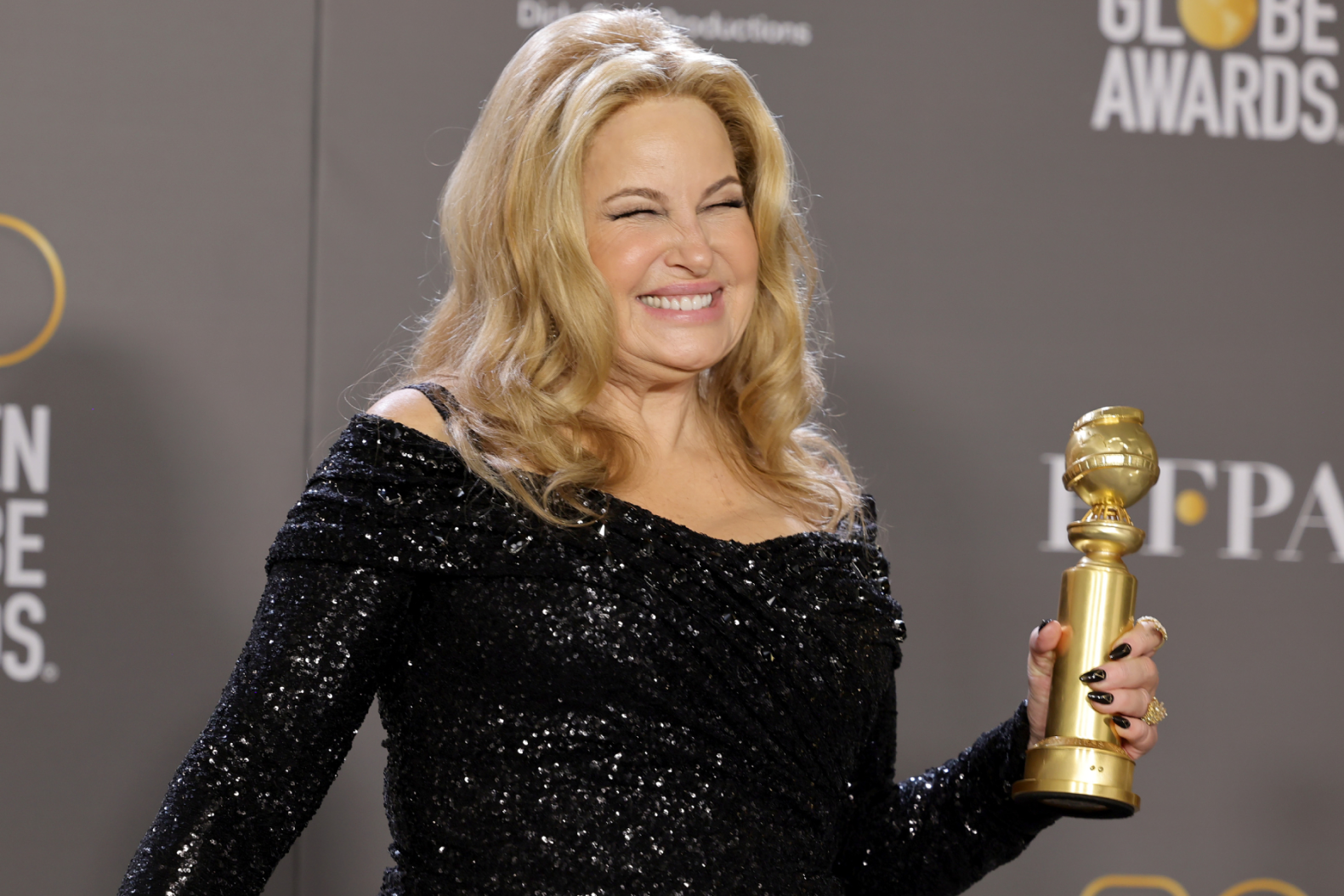
She won the 2022 Emmy for Outstanding Supporting Actress in a Limited or Anthology Series or Movie. In January 2023, she received a Golden Globe and delivered an emotional acceptance speech thanking White for changing the direction of her career.
She later won a second Emmy, this time in the drama supporting-actress category, for the show’s second season. She also collected major recognition from the Screen Actors Guild and Critics Choice Awards.
After decades of being invited into scenes to make other actors funnier, Coolidge had become the performer around whom the emotional conversation revolved.
Success After 60 Changed the Meaning of Her Career
The renewed attention created opportunities far beyond The White Lotus.
Coolidge appeared in Netflix’s The Watcher, the romantic action comedy Shotgun Wedding and other high-profile projects. She hosted Saturday Night Live after once failing to join its cast, although the planned appearance was canceled during the 2023 writers’ strike.
She was also named one of Time magazine’s most influential people in 2023.
The change was not simply that Coolidge had become more famous. She had been famous for years.
The difference was that writers, producers and audiences now viewed her as an actress capable of carrying grief, suspense and emotional contradiction—not merely as a human punchline.
Her success also challenged one of Hollywood’s most persistent assumptions: that an actress’s most important breakthrough must arrive when she is young.
Coolidge was nearly 60 when she began filming The White Lotus. She was over 60 when she received the awards that redefined her professional standing.
By then, she had experienced decades of rejection, employment, typecasting and doubt. Those years did not disappear when she played Tanya. They gave the performance its depth.
Coolidge understood what it meant to enter a room hoping to be chosen. She understood the fear that opportunity might have passed and the temptation to withdraw before someone else could reject her.
That emotional history lived inside Tanya McQuoid.
Jennifer Coolidge did not suddenly become talented when Hollywood began giving her trophies. The talent had been visible in nearly every strange pause, wounded expression and stolen scene across the previous 30 years.
What changed was the size of the opportunity.
Hollywood finally gave her a character who was allowed to be as funny, damaged, lonely and complicated as the woman playing her—and discovered that Jennifer Coolidge had been ready for the spotlight all along.