More Than 100 Animals Found in Sweltering Florida Home as Missing Pets Return to Their Families
For seven months, Linh Nguyen searched for the cat who had vanished from her Florida yard.
She posted fliers offering a $5,000 reward. She rode through her neighborhood late at night, calling Patchy’s name until her voice became hoarse. She prayed that the 6-year-old cat would somehow find his way home.
Then Nguyen saw a report about more than 100 animals rescued from a house in Stuart.
Something told her Patchy might be among them.
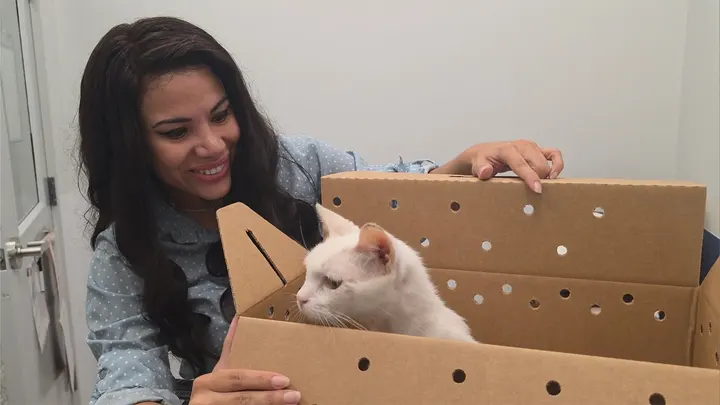
When she entered the Humane Society of the Treasure Coast, she could not immediately see him. But from somewhere inside the shelter, a cat began meowing. The sound grew louder as she moved closer.
Nguyen recognized his voice.
Patchy was alive.
His reunion with Nguyen became one of the few joyful moments to emerge from what Martin County Sheriff John Budensiek described as the worst animal-hoarding case he had encountered.
A Rescue Far Larger Than Expected
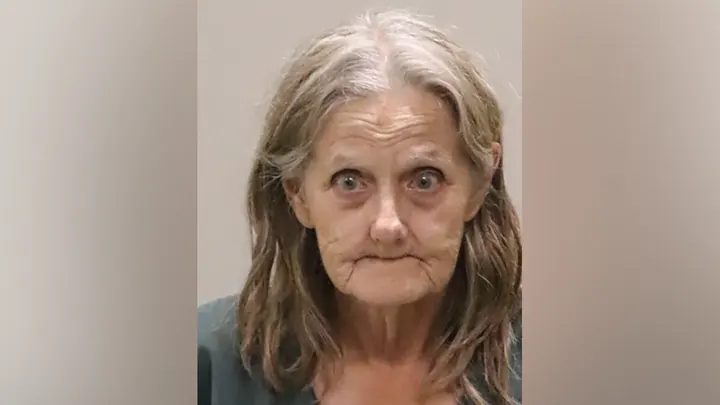
Authorities arrested 77-year-old mail carrier Gail Giustino on July 20 after discovering more than 100 cats and small dogs inside her home.
Investigators had expected to find perhaps 15, 20 or 30 cats. Instead, teams wearing white hazardous-material suits carried cage after cage from the residence as the scale of the situation became clear.
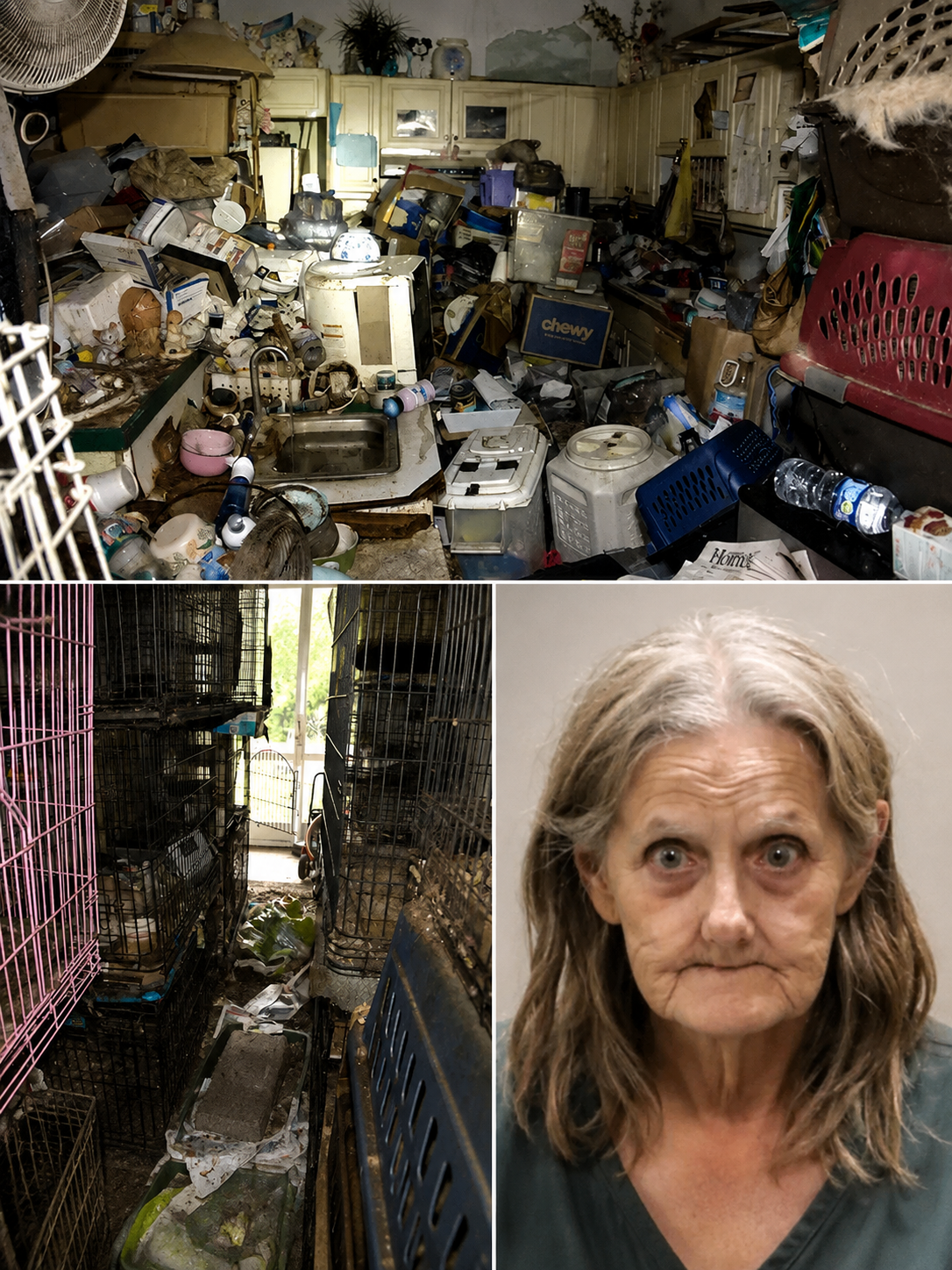
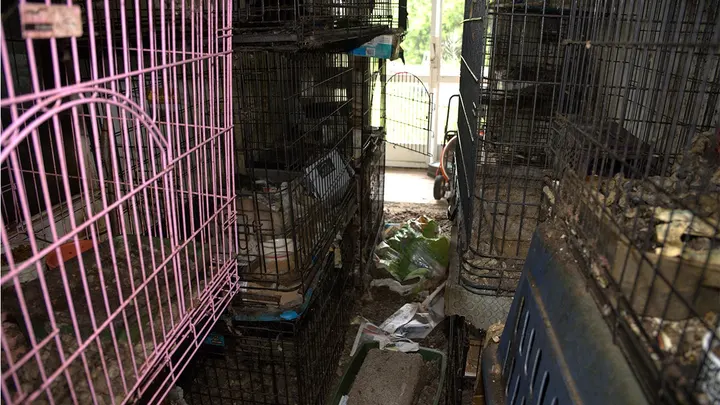
The home had no functioning air conditioning or adequate ventilation. On that late-July day, Budensiek estimated that temperatures inside had reached approximately 110 degrees.
The smell of urine, feces and ammonia extended beyond the house.
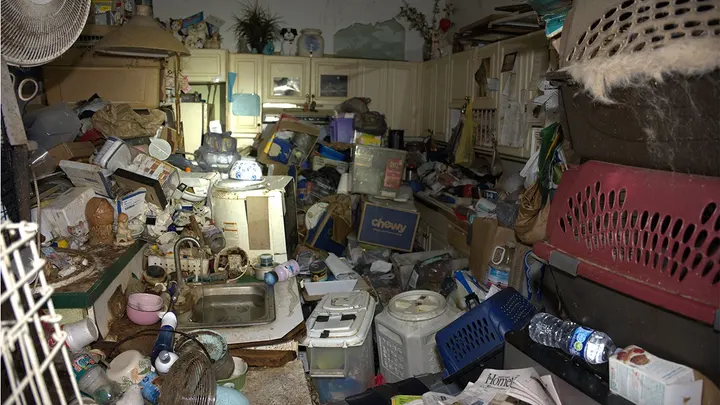
Inside, responders found excessive clutter and animal waste blocking safe paths through the residence. Arrest records said the odor itself presented a potential health threat to the personnel entering the property.
In some areas, authorities reported finding approximately a foot of animal feces.
Many of the animals had been confined inside cages for prolonged periods. Some cats were trapped in waste that had hardened around their legs like concrete. Rescue workers had to break apart the solid material before the animals could move.
Budensiek said the pets were not being walked or allowed outside. He described their confinement as an animal jail.
Cats Allegedly Collected Along a Mail Route
Giustino had worked for the U.S. Postal Service since 1997 and remained employed at the time of her arrest.
Authorities alleged that she had been collecting cats she encountered while working her mail route. The discovery raised the possibility that some of the animals inside her home were not homeless strays but pets whose families had spent months wondering what happened to them.
The Postal Service said it was aware of the situation but would not publicly discuss a personnel matter.
Local officials had previously dealt with complaints involving Giustino’s treatment of animals. Since 2014, animal control had issued her as many as 65 civil citations related to the conditions in which she kept them.
Code enforcement officials had also helped her obtain air-conditioning units. Investigators found that those systems were no longer operating when the animals were removed.
Budensiek acknowledged that authorities had not been regularly checking the residence during the previous decade.
Although Giustino potentially could have faced as many as 160 animal-cruelty counts, she was charged with one misdemeanor count of animal cruelty and one misdemeanor count of confining animals without sufficient exercise.
She was released after posting a $50,000 bond.
The sheriff said he believed Giustino may have viewed herself as helping the animals, even though the way she kept them placed their health and lives at risk.
He said the arrest allowed authorities to seize the animals, provide emergency care and attempt to prevent them from dying. Officials also hoped Giustino would receive mental health treatment.
The Number of Animals Continued Growing
The rescue did not end when crews left the house.
Several cats escaped during the removal operation. In the days after Giustino’s arrest, county officials trapped three of the four animals still missing from the property.
A friend also surrendered five small dogs that Giustino had allegedly left in her care.
By July 29, the Humane Society of the Treasure Coast had received 108 animals connected to the home. Shelter officials expected that additional animals could be discovered at the homes of Giustino’s friends in the following weeks.
Workers prepared for more arrivals while trying to stabilize animals already showing severe signs of neglect and trauma.
Some cats appeared almost unresponsive when they first reached the shelter. They would not raise their heads, move around or react normally to people nearby.
Staff members described some as catatonic.
Slowly, however, their behavior began to change.
Cats that initially remained motionless started meowing and seeking attention. For the workers caring for them, those small signs of trust offered reassurance that the animals were beginning to understand they were safe.
Thin Dogs Still Wagged Their Tails
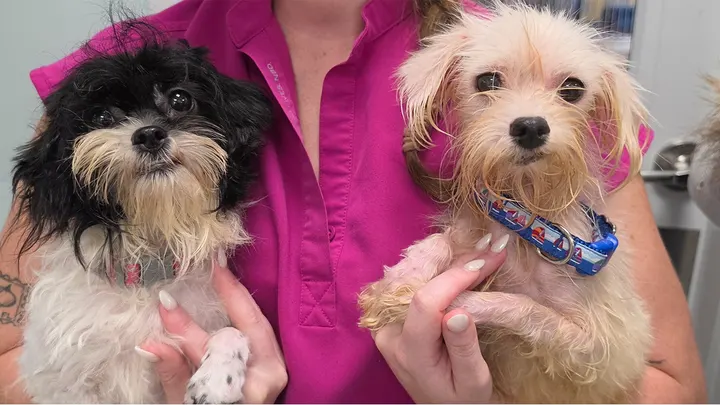
Twelve small dogs recovered from the home appeared to adjust more quickly.
Many were believed to be Yorkshire terriers between 2 and 8 years old. They arrived thin, covered in fleas and missing patches of hair. They also suffered from dental disease associated with long-term neglect.
Despite their physical condition, the dogs responded eagerly to their rescuers.
Shelter spokeswoman Sarah Fisher said their happiness gave staff members hope during an emotionally exhausting operation. The dogs appeared to recognize that they had been removed from danger, greeting attention with excitement even as they began receiving treatment.
The community responded just as strongly.
Residents flooded the shelter with adoption inquiries and brought pizza, pastries and other food for employees working through the demanding rescue.
But before the animals could be placed in new homes, staff needed to determine whether they already belonged to families still searching for them.
Families Arrived Carrying Hope
On the morning of July 24, more than 50 people lined up outside the shelter in the intense Florida heat.
They came from different communities and backgrounds, but each carried the same hope: that a missing dog or cat might be inside.
The shelter opened its doors at 10 a.m. Staff members compared the rescued animals with photographs and descriptions brought by the waiting families.
One by one, most people walked out without the pet they had come to find.
Adults cried. Children cried. Shelter workers who had hoped to witness a morning filled with reunions instead watched family after family leave disappointed.
By the end of the day, however, two pet owners had found the animals they thought they might never see again.
One was Jisel Leon, who reunited with her cat Blizzard.
The other was Nguyen.
Patchy Recognized Her First
Patchy had disappeared from Nguyen’s yard in early January.
She refused to stop looking for him. Her search included reward posters, nighttime bicycle rides and repeated prayers for his return.
Nguyen said she understood that some people might consider a missing cat a small problem compared with other hardships. But Patchy was part of her family, and she continued believing that bringing him home was possible.
When news of the Stuart rescue appeared, Nguyen felt compelled to visit the shelter.
Before she saw Patchy, she heard him.
His increasingly loud cries guided her toward him, turning months of uncertainty into the reunion she had prayed for.
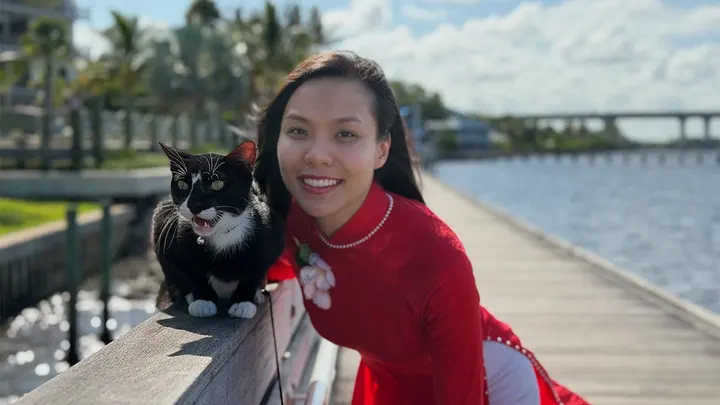
Patchy has since returned home, where Nguyen said he is thriving and even enjoying walks while wearing a leash.
She described his recovery as a miracle.
Healing Before Adoption
The shelter continues working to identify the owners of the remaining animals.
Officials do not yet have a timeline for when unclaimed cats and dogs may become available for adoption. They want to avoid placing any animal in a new home while its original family is still trying to find it.
More reunions may occur as photographs circulate and additional owners learn about the rescue.
For the animals without families searching for them, adoption could eventually offer a permanent escape from the cages, heat and filth in which they were found.
The case began with a house so overwhelmed by waste that responders struggled to enter safely. It expanded into the rescue of more than 100 animals, an arrest and an urgent effort to restore frightened cats and neglected dogs to health.
Yet amid the disturbing conditions, a quieter story has begun to unfold.
Cats once too traumatized to lift their heads are asking for affection. Small dogs who arrived thin and flea-covered are greeting workers with enthusiasm. Families who had nearly surrendered hope are discovering that some missing pets were alive only miles from home.
Patchy cannot explain what happened during the seven months he was gone.
But when Nguyen entered the shelter, he knew her voice—or perhaps trusted that she would know his.
She did.
And after months of searching, praying and calling into the darkness, she finally carried him home.