The Unspoken Reality Behind the viral 164-Year-Old Thai Monk Misconception
The Unspoken Reality Behind the viral 164-Year-Old Thai Monk Misconception
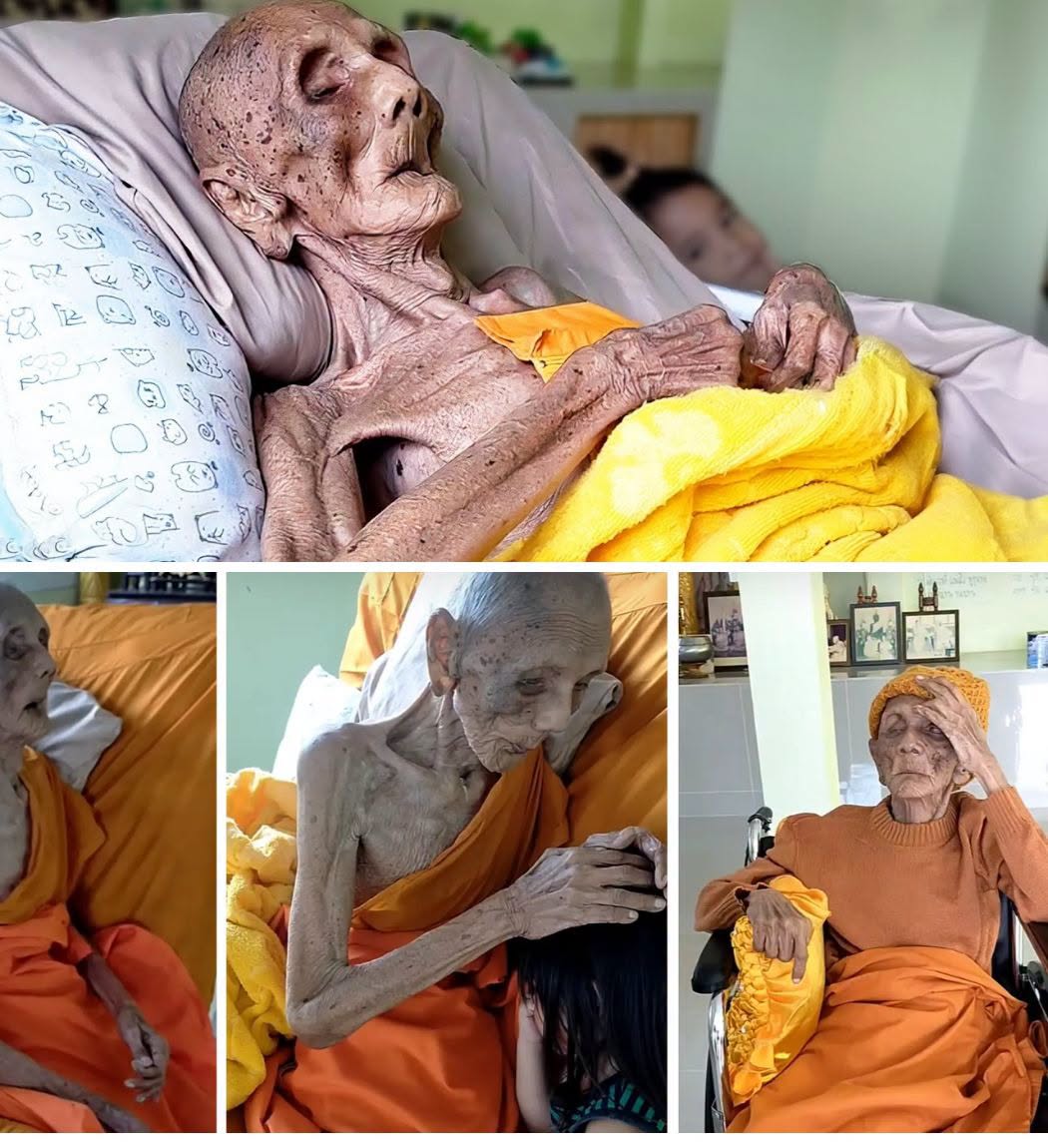
A girl began sharing brief videos of her elderly grandfather on TikTok—a quiet, frail man resting in a hospital bed, barely moving, his skin pulled so tightly over his frame that every bone was visible. Within a matter of weeks, the clips attracted hundreds of millions of views. Predictably, the internet transformed his likeness into wild rumors. Commenters claimed he was 164 years old, others alleged he was a 399-year-old woman, and some asserted he was actively mummifying himself alive. Yet, while global audiences laughed and fabricated stories, a profound human reality was entirely overlooked.
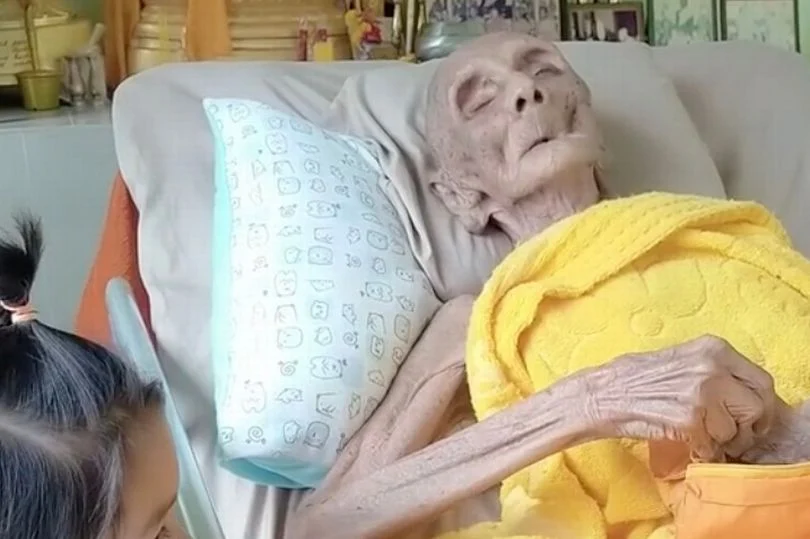
For a 29-year-old woman named Aui in Northeast Thailand, viral internet fame was not a blessing, but a deeply painful ordeal. The man in the videos was her beloved grandfather, Luang Pho Yai, a respected Buddhist monk whose life was rooted in devotion rather than online sensation. Born in Nakhon Ratchasima, Thailand, as the eldest of eleven siblings, he spent his earliest years plagued by illness. Physicians initially told his mother he would not survive past the age of twenty. Defying those predictions, he grew up to dedicate more than seven decades of his life to the Buddhist priesthood, earning immense respect within his local community.
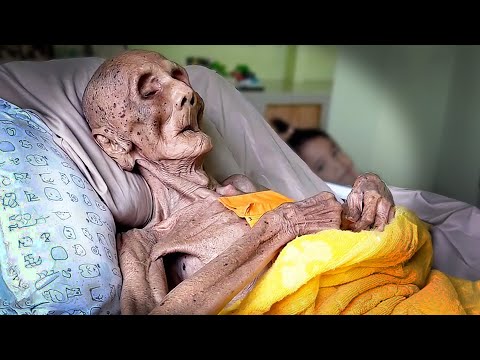
When his health declined in his final years, his family documented his quiet moments simply to record his remaining days and share updates with relatives. Instead, algorithm-driven sensationalism reduced a life of quiet spiritual devotion into absurd clickbait. Luang Pho Yai passed away peacefully shortly after the videos went viral, leaving behind a legacy of resilience that eclipsed the sensationalized headlines. His story stands as a stark reminder of how easily real human dignity can be overshadowed by the internet’s obsession with viral sensationalism.