Princess Louise and Prince Arthur’s Private Letters Reveal a Sibling Bond That Outlasted the Pressures of Royal Life
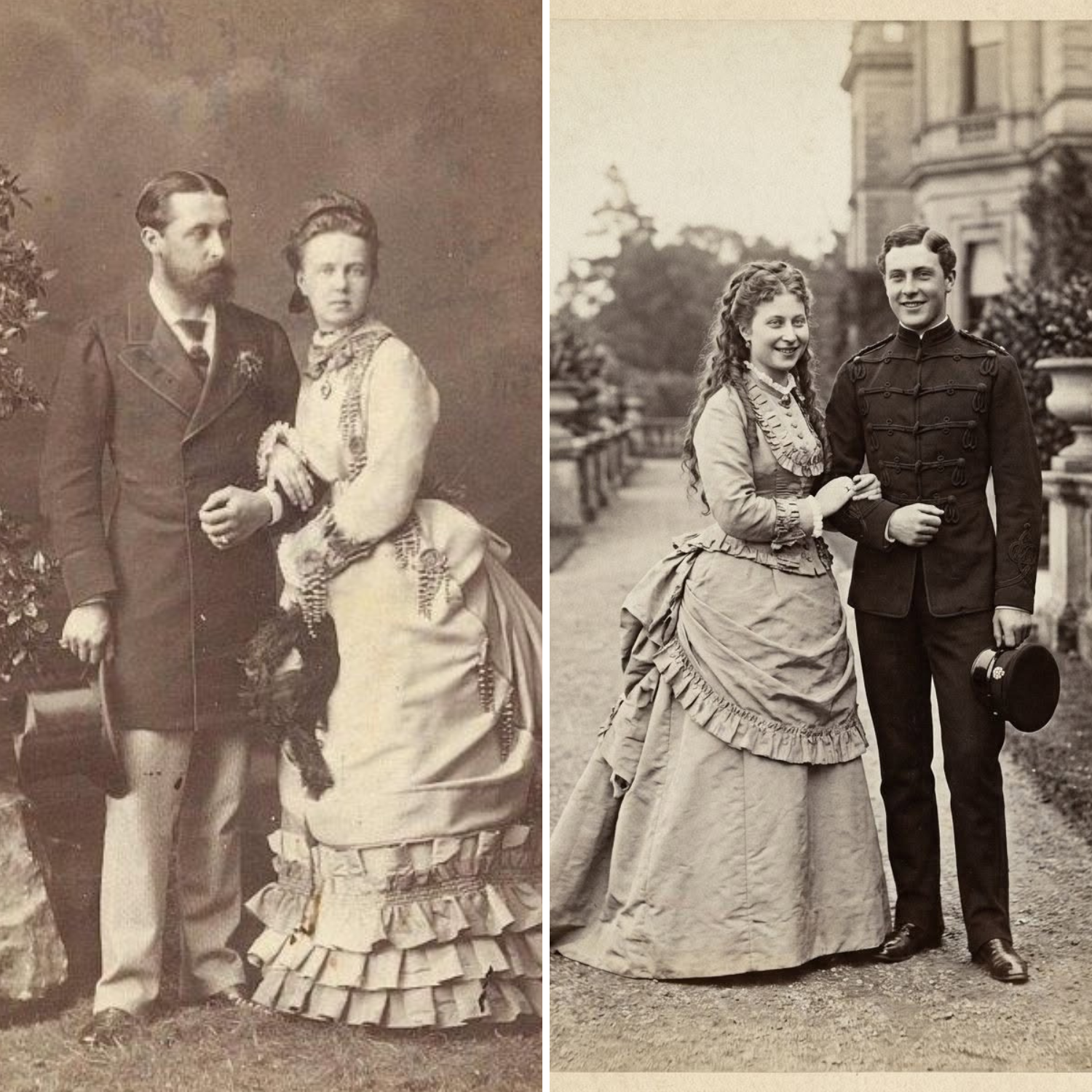
To the outside world, they belonged to one of the most powerful families of the 19th century. Princess Louise was the unconventional daughter who resisted the narrow expectations placed on royal women. Prince Arthur was the disciplined younger brother who built his life around military service.
But away from ceremonies, uniforms and royal titles, their relationship was strikingly ordinary.
They were a sister and brother who worried about each other, shared frustrations and stayed connected as their lives carried them in very different directions. Surviving letters between Louise and Arthur offer an intimate glimpse of that relationship—and of the emotional life hidden behind the formal image of Queen Victoria’s family.
For Louise in particular, supporting her younger brother began when she was still little more than a child herself.
Born on March 18, 1848, Princess Louise was the sixth of Queen Victoria and Prince Albert’s nine children. From an early age, she developed a reputation for being different.
Louise was artistic and fiercely independent. She studied sculpture and became an accomplished artist at a time when women of her position were generally expected to remain within carefully defined social boundaries. She also showed an interest in education and causes connected with women’s rights.
Her determination to think and live more freely did not always sit comfortably with her mother.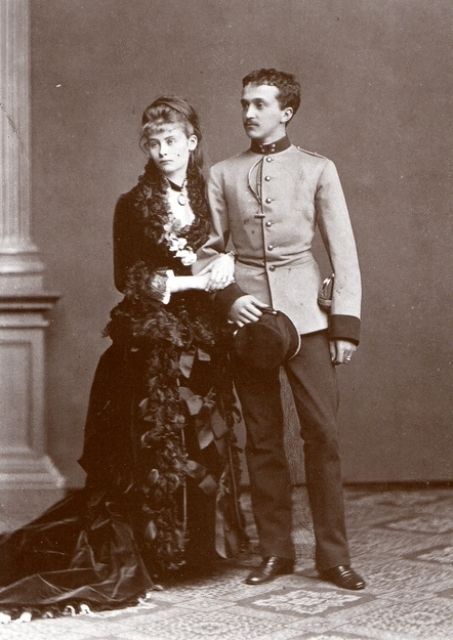
Queen Victoria valued obedience and tradition, while Louise had strong opinions and an independent streak. She smoked, moved through society with unusual freedom for a royal daughter and resisted being treated simply as a decorative figure within the monarchy.
Victoria sometimes regarded her daughter as “wild.”
Yet the rebellious princess also possessed a deeply caring side—one that became particularly important after tragedy transformed the royal household.
Prince Albert died in December 1861, when Louise was just 13.
His death devastated Queen Victoria. Her grief became one of the defining forces within the family, and she withdrew from much of public life while remaining intensely attached to the memory of her husband.
Albert’s children were grieving too.
They had lost their father, but they had also lost someone who had helped balance family life. In the difficult years that followed, Louise increasingly found herself navigating the emotions of both her mother and her younger siblings.
One letter from July 9, 1863, captures that role with remarkable clarity.
Louise, then only 15, wrote to her younger brother Arthur after the death of Baron Christian Friedrich von Stockmar, a trusted figure who had been close to Prince Albert and Queen Victoria.
She knew the news would upset Arthur. But her concern extended beyond simply informing him of a death.
Louise explained how painful the loss was for their mother, particularly because Victoria had already lost Albert. She wanted Arthur to understand what Queen Victoria was going through.
In the same correspondence, Louise also passed along their mother’s concern about Arthur’s education, encouraging him to work harder and do well in his examinations.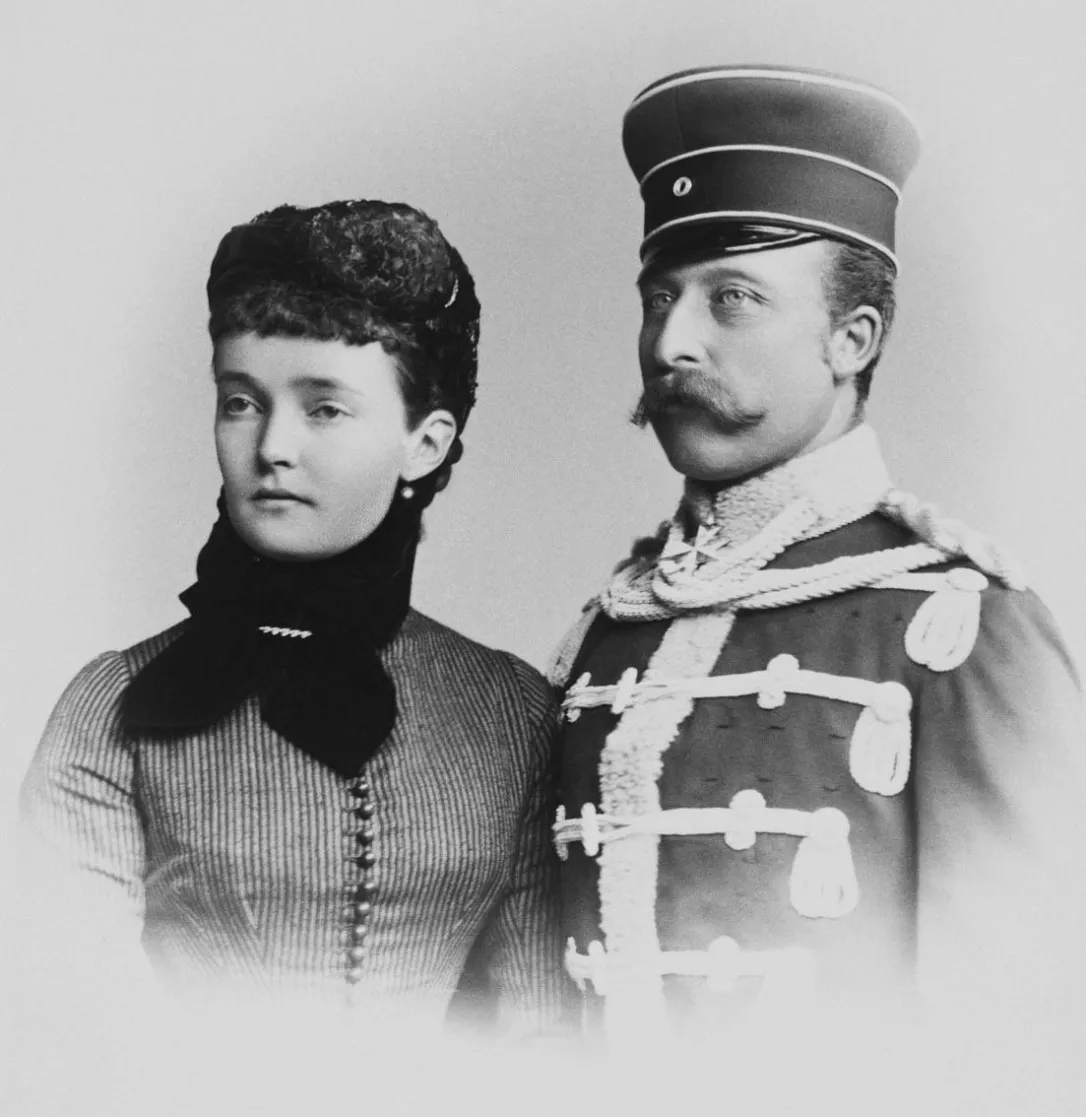
It was a family letter, but it revealed how much emotional responsibility Louise was already carrying.
At 15, she was simultaneously comforting a younger brother, interpreting their mother’s grief and gently reminding Arthur of the expectations waiting for him.
That connection did not disappear when childhood ended.
Arthur, born in 1850, ultimately chose a life very different from his artistic sister’s. He entered the British Army and developed a reputation for discipline and professionalism, eventually becoming one of the most prominent military figures among Queen Victoria’s children.
Publicly, he was the soldier prince.
Privately, Louise remained someone he could turn to.
By 1885, both siblings had married and established adult lives. Louise was married to John Campbell, Marquess of Lorne, while Arthur had married Princess Louise Margaret of Prussia.
Arthur was also approaching a major moment in his military career: an assignment as Commander-in-Chief in India.
Yet even a prince preparing for such an important responsibility could find himself caught in family uncertainty.
In an October 1885 letter to Louise, Arthur described the confusion surrounding plans for his departure. Queen Victoria did not want him and his family leaving as soon as expected, and repeated changes had left them deeply frustrated.
Arthur told his sister that the constant changes surrounding their movements had nearly worried them “to death.”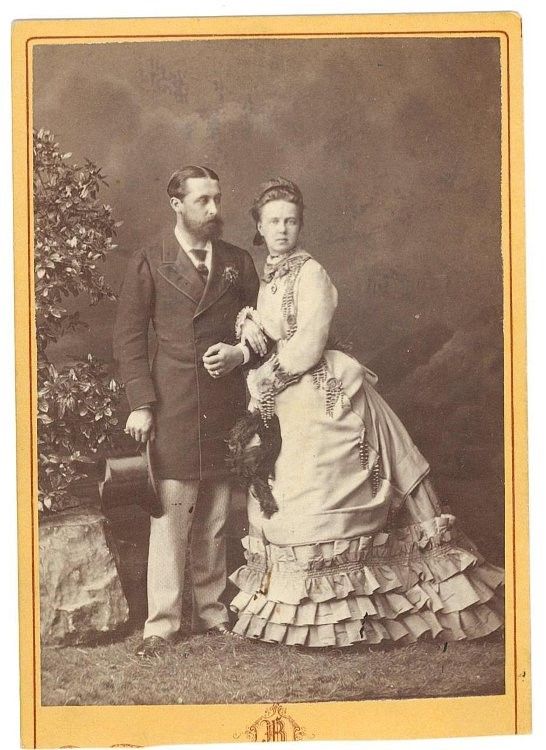
The language was revealing precisely because it was so personal.
This was not the polished voice of a military commander addressing an official. Arthur was writing to his sister about being exhausted and frustrated by a situation involving their mother.
Decades after Louise had written to him as a teenager, she was still a trusted recipient of his worries.
Their correspondence also exposes the complicated reality of growing up as Queen Victoria’s children.
The family projected stability, tradition and authority to the public during an era of immense British power. Inside the royal household, however, its members experienced grief, arguments, expectations and the familiar tensions between parents and adult children.
Albert’s death intensified many of those pressures.
Victoria’s long mourning affected the entire family, and she often struggled with her children’s desire for greater independence. Even after they had married and accepted major responsibilities of their own, her influence remained powerful.
Arthur’s difficulties over his travel plans showed that tension clearly. He was no longer a young prince waiting for instructions about his studies. He was an experienced adult preparing for a major military command, yet his mother’s wishes could still dramatically affect his plans.
Louise understood that conflict because she had spent much of her own life negotiating it.
Her desire for artistic and personal independence had repeatedly challenged conventional ideas of what a royal daughter should be. She knew the strange position of belonging to an institution that demanded duty while still wanting the freedom to become an individual.
That shared experience appears to have strengthened the bond between brother and sister.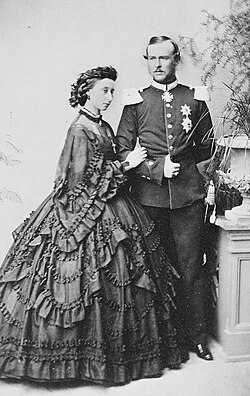
Their lives eventually took them across different social and geographical worlds, as royal marriages and public responsibilities often did to Queen Victoria’s children. Yet Louise and Arthur continued corresponding.
Their letters were not simply records of official royal business.
They contained the recognizable emotions of family life: affection, worry, frustration and trust. Behind the formal titles were two siblings who knew each other well enough to speak more openly than their public roles usually allowed.
Both went on to leave significant individual legacies.
Louise continued her artistic work and support for social causes, maintaining her reputation as one of the more unconventional members of Queen Victoria’s family. She lived until 1939 and became the longest-lived of Victoria’s daughters.
Arthur continued his long career in public service and the military. From 1911 until 1916, he served as Governor General of Canada.
But their surviving correspondence preserves something that official careers and royal biographies can struggle to capture.
It shows how family ties endured behind palace walls.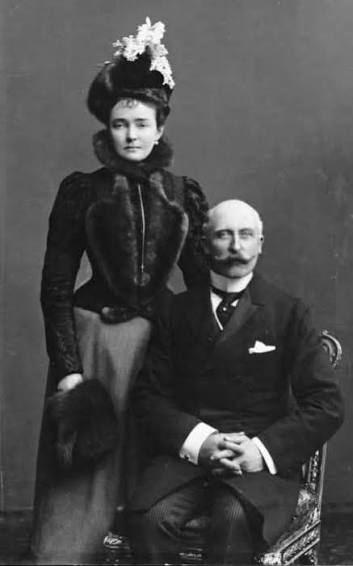
Louise could be independent without being emotionally distant. Arthur could be a disciplined soldier while still needing the reassurance of a sister who understood the pressures surrounding him.
Their bond had begun in a household shaken by the death of a father and the overwhelming grief of a mother. It continued through adulthood, marriage, military responsibilities and decades of enormous change.
History remembers them as Princess Louise and Prince Arthur, members of Queen Victoria’s extraordinary dynasty.
Their letters remember them more simply—as a sister and brother who kept turning to each other.