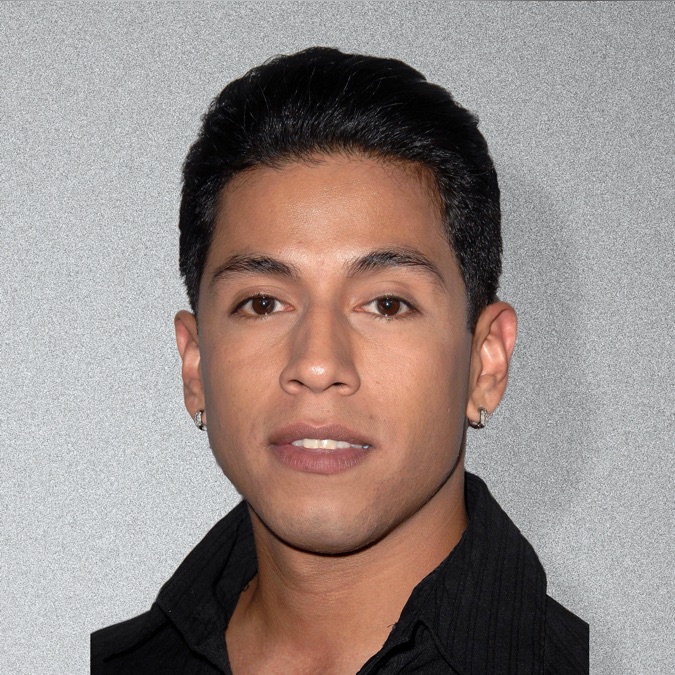
Almost 20 Years After Apocalypto: What Happened to Dalia Hernández and Rudy Youngblood?
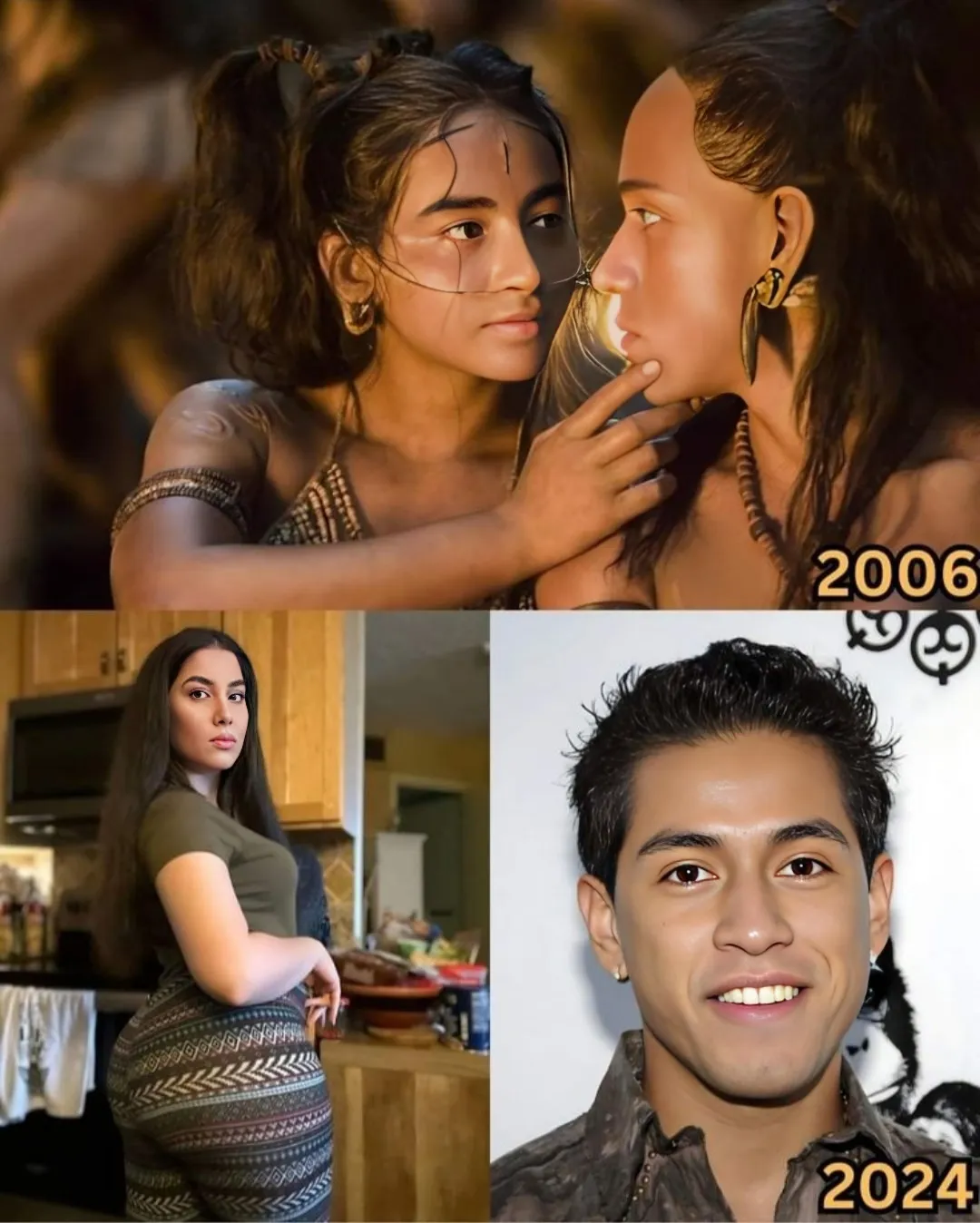
When Apocalypto arrived in theaters in December 2006, its two central performers did not look like conventional Hollywood stars.
Rudy Youngblood, playing the hunted warrior Jaguar Paw, carried much of the film through movement, fear, exhaustion and sheer physical determination. Dalia Hernández, portraying his pregnant wife Seven, spent a large part of her story trapped with her young son, fighting a very different battle for survival.
Nearly two decades later, those performances remain the roles most strongly associated with both actors. Yet their lives after the film followed notably different paths—one continuing through a string of action and independent productions, the other maintaining a far quieter public profile.
The Film That Introduced Them to the World
Directed by Mel Gibson and co-written with Farhad Safinia, Apocalypto followed Jaguar Paw after his village was attacked and its survivors taken toward a Maya city. Before his capture, he managed to hide Seven and their child in a deep pit, leaving his family dependent on his return.
The production was unusual for a major American release. It was filmed largely in Mexico, including the Catemaco rainforest and Veracruz, and its dialogue was performed in Yucatec Maya. Disney’s D23 archive says the cast consisted entirely of Indigenous people from the Americas.
Youngblood became the physical center of the film as Jaguar Paw fled captivity and raced through the jungle toward his family. Hernández provided the emotional counterpoint. Seven could not run; she had to survive where she was, protecting her son while her pregnancy and worsening conditions made the situation increasingly dangerous.
Their characters spend much of the movie separated, but the relationship between them gives the chase its purpose. Jaguar Paw is not simply escaping death. He is trying to get home.

Rudy Youngblood Before Jaguar Paw
Youngblood was not an established screen actor when Apocalypto changed his career.
Before the film, he had worked as a laborer and performed in Native American dance and theatrical productions, including Spirit — The Seventh Fire and the Native American Dance Theatre. Biographical accounts say he moved to Los Angeles in 2005 and was cast as Jaguar Paw soon afterward.
The role demanded far more than conventional dialogue scenes. Youngblood had to learn Yucatec Maya for the production, while his background in athletics and dance suited a character whose survival depended heavily on running, climbing and physical endurance.
That preparation became one of the reasons Jaguar Paw felt so immediate. Youngblood rarely appeared like an action hero waiting for the next carefully staged set piece. He looked exhausted, frightened and increasingly desperate.
For audiences unfamiliar with him before 2006, there was little separation between actor and character.
Dalia Hernández Became the Film’s Quiet Strength
Hernández came from Veracruz, Mexico, and had a background in dance. She was born in 1985 and had studied at the University of Veracruz, with contemporary dance forming an important part of her artistic training.
As Seven, she had fewer opportunities for the spectacular action given to Jaguar Paw, but her storyline carried some of the movie’s most intense emotional pressure.
Pregnant and isolated below ground with her son, Seven had to remain calm while danger accumulated above and around them. Hernández’s performance relied heavily on expression, physical vulnerability and maternal determination rather than elaborate speeches.
The role earned her recognition beyond the film itself. Hernández won the 2007 Imagen Award for Best Supporting Actress in a film for Apocalypto.

What Happened to Dalia Hernández After Apocalypto?
Hernández did not pursue—or at least did not publicly develop—the kind of high-volume Hollywood career that might have been expected after appearing in a worldwide hit.
Her documented screen work became relatively selective.
She appeared as Rosa in an episode of the HBO Latin America series Capadocia in 2008 and later played Nayeli in the 2014 television movie The Legend of the Mask. Her credits also include the 2020 short film Ya’ax Che’. Current film databases continue to identify Apocalypto as the performance for which she is best known.
That makes Hernández’s “then and now” story unusual.
Rather than becoming constantly visible through franchise films, red carpets and celebrity coverage, she largely disappeared from the international spotlight that had surrounded her in 2006 and 2007.
There is also comparatively little reliable public information about her private life today. Claims circulating online about what she supposedly does now should therefore be treated cautiously. What can be established is that her screen career after Apocalypto was much smaller and more intermittent than the attention generated by Seven might have suggested.
Rudy Youngblood Kept Acting
Youngblood followed a more conventional path after his breakthrough, although he never again found a role with the cultural reach of Jaguar Paw.
His later films included Beatdown, Wind Walkers, Crossing Point and Attrition. He also appeared in The Haunting of Hell Hole Mine, released in 2023. Rotten Tomatoes’ current filmography still places Apocalypto at the center of his career, alongside those later projects.
His acting career has not completely stopped. As of 2026, Youngblood is listed in the period drama La Matadora, playing Nico Cortez, a painter connected to the film’s female bullfighter protagonist.
Yet Jaguar Paw remains the image audiences return to: long hair, body markings, the jungle around him and the relentless forward motion that turned the final portion of Apocalypto into an extended survival chase.
A Successful Film—and a Controversial Vision of Maya History
The movie itself became far bigger than an obscure historical experiment.
Apocalypto earned approximately $120.7 million worldwide against a reported $40 million budget, including more than $50 million in North America. It also received three Academy Award nominations, for makeup, sound editing and sound mixing.
Historians and archaeologists criticized elements of the movie for combining periods and emphasizing extreme violence in ways that could leave audiences with a distorted picture of Maya society. National Geographic reported those concerns when the film opened, noting that Gibson himself did not present the movie as a historical document.
That distinction matters. Apocalypto works primarily as a survival thriller set inside a dramatized historical world, rather than as a reliable reconstruction of Maya history.
But whatever arguments surround the setting, Youngblood and Hernández remain central to why the movie continues to connect with viewers.

Then and Now
In 2006, Rudy Youngblood and Dalia Hernández were two unfamiliar faces carrying an ambitious film performed in a language most American moviegoers had never heard on a mainstream cinema screen.
Today, their careers look very different.
Youngblood, now in his forties, has continued working across independent action and drama projects. Hernández, also now 40, has maintained a far more private presence, with only a handful of documented acting credits after the film.
Neither became the kind of omnipresent Hollywood celebrity that a breakout movie can sometimes create.
Perhaps that is why seeing them again carries such a powerful sense of nostalgia. For millions of viewers, they remain frozen in one extraordinary cinematic moment: Jaguar Paw racing through the forest while Seven waits below ground, both fighting toward the same goal.
Almost 20 years later, Apocalypto is still the film that connects their names—and the performances that made two relative newcomers unforgettable.