For 48 Final Hours With Prince Philip, Queen Elizabeth Set the Crown Aside and Chose Their 73-Year Marriage
For most of her adult life, Queen Elizabeth II had been expected to place duty above almost everything else.
But inside Windsor Castle, as Prince Philip’s condition became critical, the routines that had shaped her reign suddenly mattered less than the man who had shared more than seven decades of her life.
On April 9, 2021, Elizabeth was confronted with the possibility she had long dreaded: losing the husband who had been beside her before she became Queen and throughout nearly every chapter of her historic reign. Rather than continue with the carefully controlled schedule expected of a monarch, she instructed that her commitments be cleared.
For the next 48 hours, the story was no longer primarily about a sovereign and her responsibilities.
It was about a wife who wanted to remain beside her husband.
Their Story Had Begun Long Before the Crown
To understand what those hours meant, it is necessary to return to November 1947.
Princess Elizabeth married Lieutenant Philip Mountbatten at Westminster Abbey, beginning a partnership that would eventually endure for more than 73 years.
The ceremony looked like a royal fairy tale from the outside. Yet both understood that their future would come with extraordinary demands. Elizabeth was expected eventually to inherit the throne, meaning their marriage would never exist entirely outside public responsibility.
Philip entered the relationship knowing that the woman he loved would someday carry obligations extending far beyond their home and family.
According to the story of their marriage, what mattered to him was preserving something more ordinary behind palace doors. Publicly, royal protocol might dictate their positions. Privately, they wanted to remain husband and wife.
That balance became much harder only five years after their wedding.
Following the death of King George VI, Elizabeth became Queen at just 25 years old.
Philip’s life changed with hers.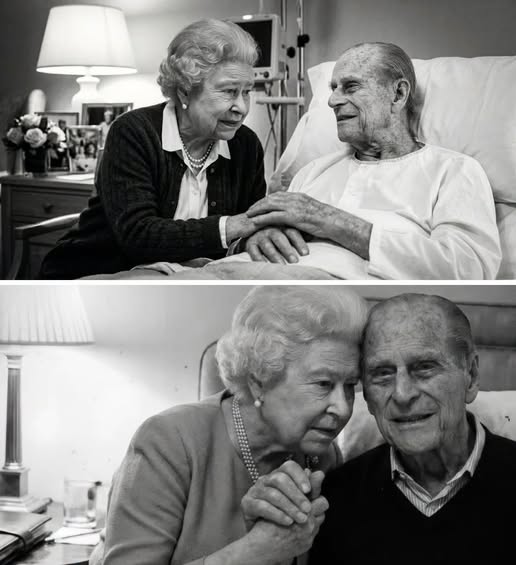
The Husband Beside the Throne
Being married to Britain’s monarch created an unusual position for Philip.
He had been born into royalty and possessed his own ambitions, confidence and identity. Yet once Elizabeth became Queen, he had to accept a life in which his public role would usually be defined in relation to hers.
He attended thousands of engagements, traveled internationally, supported numerous causes and spent decades standing beside the Queen as she performed the responsibilities of the Crown.
There was a difficult personal balance beneath that public image.
Philip could be significant without becoming the central figure. He could offer advice, companionship and support while understanding that, whenever royal duty called, Elizabeth’s position came first.
For more than seven decades, they lived inside that arrangement.
Yet their private relationship was far less formal than the photographs of ceremonies and official visits suggested.
Behind closed doors, they laughed, disagreed, shared private jokes and experienced the ordinary rhythms of a marriage lived under extraordinary circumstances.
Philip also occupied a rare place in Elizabeth’s world.
He knew her before she wore the Crown.
He could challenge her, make her laugh and speak to the woman beneath the royal title in ways few others could. To millions of people she was Queen Elizabeth II. To Philip, she was the person he had married decades earlier.
That history gave the final days at Windsor an especially personal weight.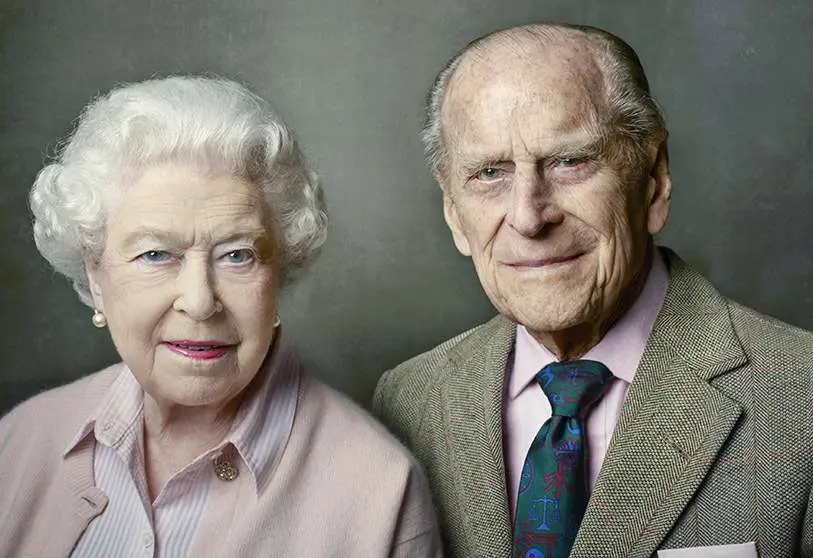
One Request Changed the Atmosphere at Windsor
When Philip returned to Windsor Castle during his final period of declining health, royal arrangements initially followed the familiar patterns of palace life.
Their rooms were separate, consistent with the structure and traditions that had surrounded the couple for years.
Elizabeth changed that.
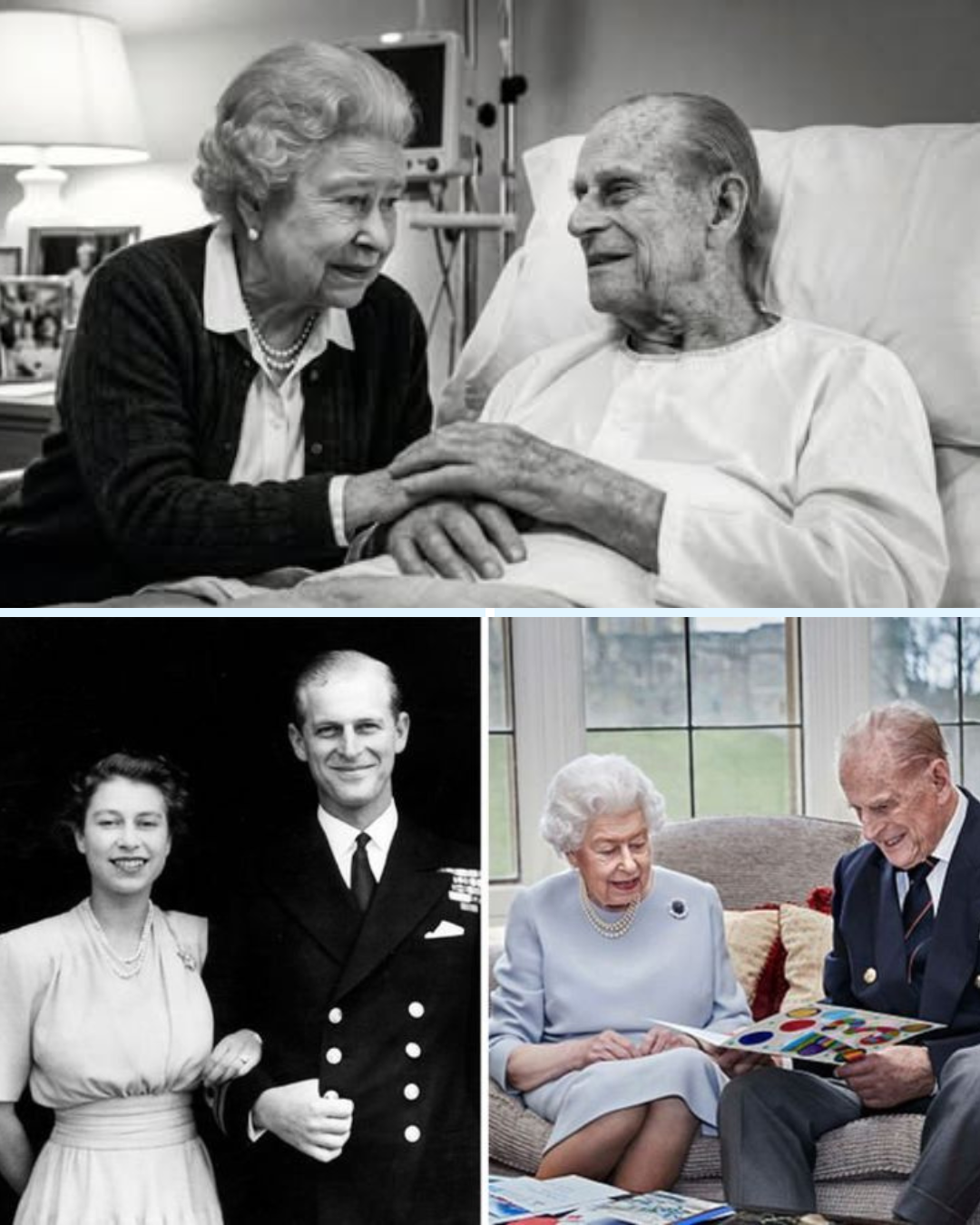
She requested that a bed be positioned beside Philip’s so she could remain close to him.
It was a remarkably simple gesture from a woman whose life had rarely been simple.
There were no crowds to address and no ceremonial responsibilities to perform inside that room. Elizabeth did not need to represent the monarchy or project the steadiness that had defined her public image.
She could sit next to the man who had shared almost her entire adult life.
She could hold his hand.
For decades, those same hands had signed state papers, greeted presidents and prime ministers and carried out the countless formal duties associated with being Queen.
Now the gesture was entirely personal.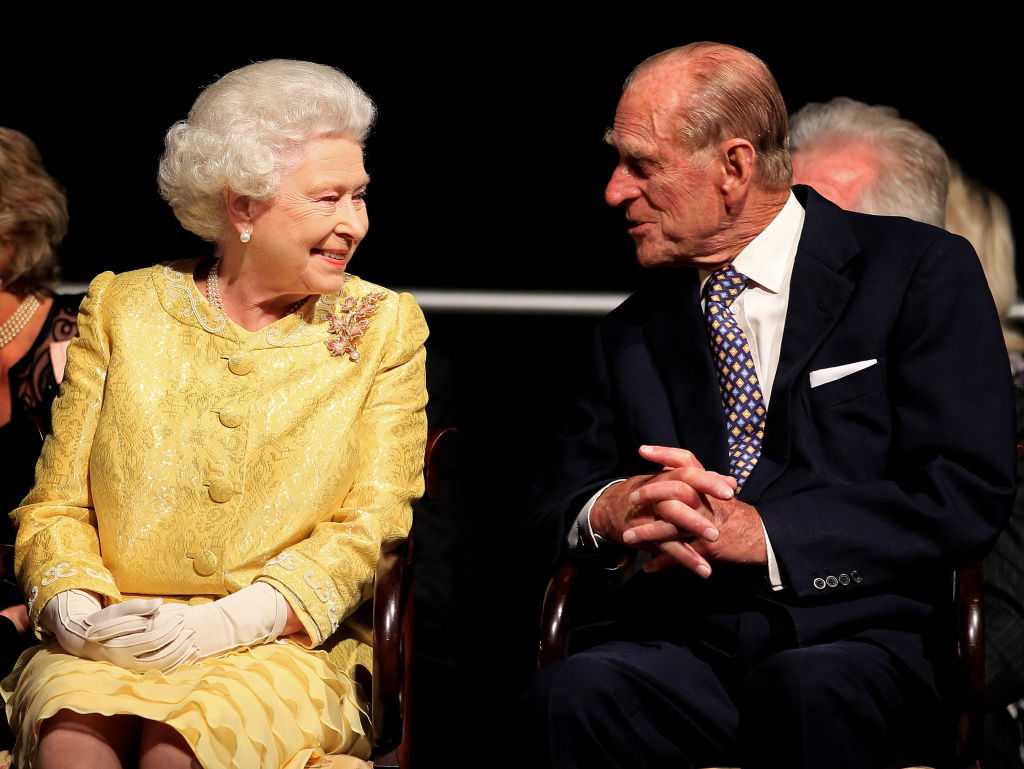
A Lifetime Remembered in Private
The quiet inside Windsor also offered something Elizabeth and Philip had rarely possessed during their marriage: privacy without performance.
Much of their shared life had unfolded in public.
Trips were photographed. Ceremonies were broadcast. Gestures were examined. Even family moments could become matters of national interest.
But during those final hours, there was no crowd waiting for them and no official role they needed to fulfill.
They could remember their own history.
There were the early years before Elizabeth unexpectedly became Queen at such a young age. There were the pressures that followed, the family they built, the difficulties they endured and the countless ordinary moments hidden behind palace walls.
Their relationship had never been portrayed as perfect.
They could argue. They could disagree. Both had made sacrifices demanded by circumstances few couples could ever fully understand.
Yet they stayed.
That endurance became one of the defining features of their partnership.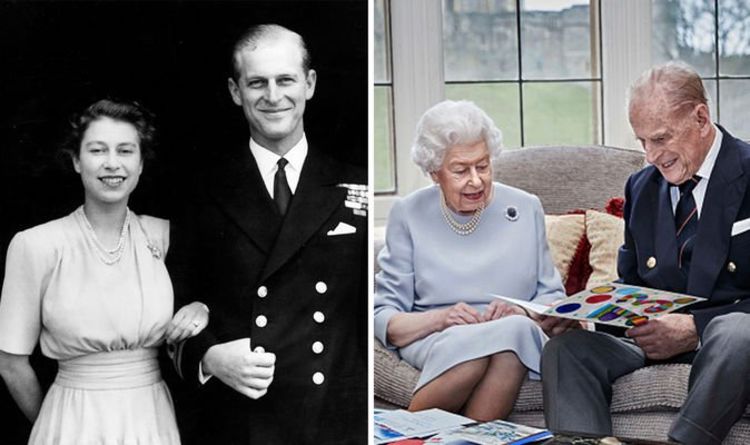
The Vulnerability Hidden Behind a Lifetime of Composure
Elizabeth had spent decades mastering emotional restraint.
Whatever happened privately, the public generally saw a monarch who remained controlled, dependable and focused on responsibility.
That composure became part of her identity.
But beside Philip, there was no need for it.
His death would mean more than losing a husband of 73 years. She was facing the loss of one of the very few people who remembered her life before she became the figure recognized around the world.
Philip had witnessed the young princess before the Crown changed everything.
He had been present through political change, royal turmoil, family milestones and decades of public service.
The Queen could be surrounded by advisers, relatives and palace staff, yet the relationship she shared with Philip could not simply be replaced.
When the Titles No Longer Mattered
History will remember Elizabeth and Philip through grand images: royal weddings, state occasions, overseas tours and decades of ceremony.
Their final chapter, however, was defined by something much smaller.
A cleared schedule.
A bed moved closer.
Two hands held together.
After spending much of their marriage sharing Elizabeth with the responsibilities of monarchy, the final hours allowed the couple something unusually private.
For once, the Crown did not need to stand between them.
The significance of those 48 hours was not that Queen Elizabeth abandoned everything she had represented. It was that, for a brief and deeply personal period, another part of her identity moved to the foreground.
Before she was a monarch, a symbol or a figure of history, she had been Philip’s partner.
And when their extraordinary 73-year marriage approached its final goodbye, she chose simply to remain beside him.